
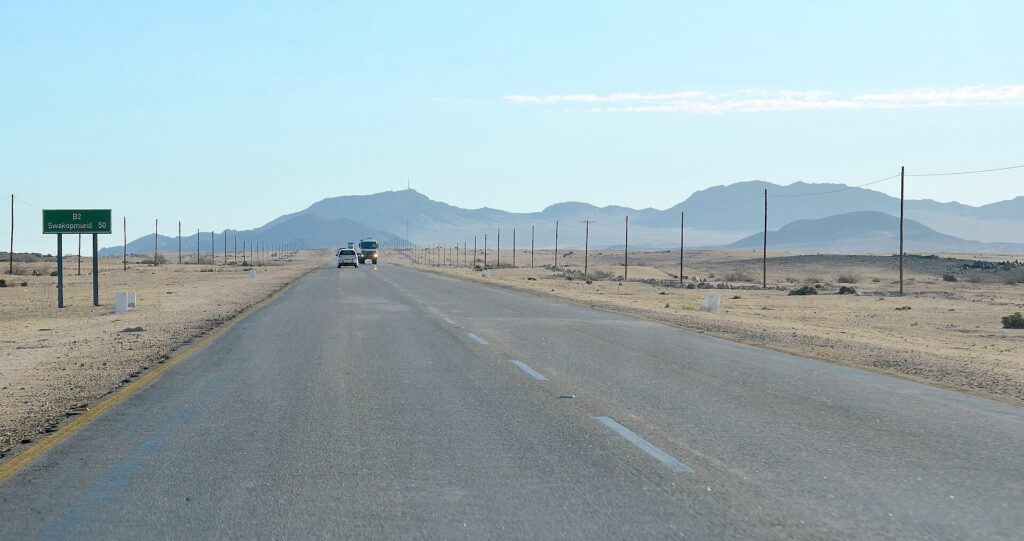
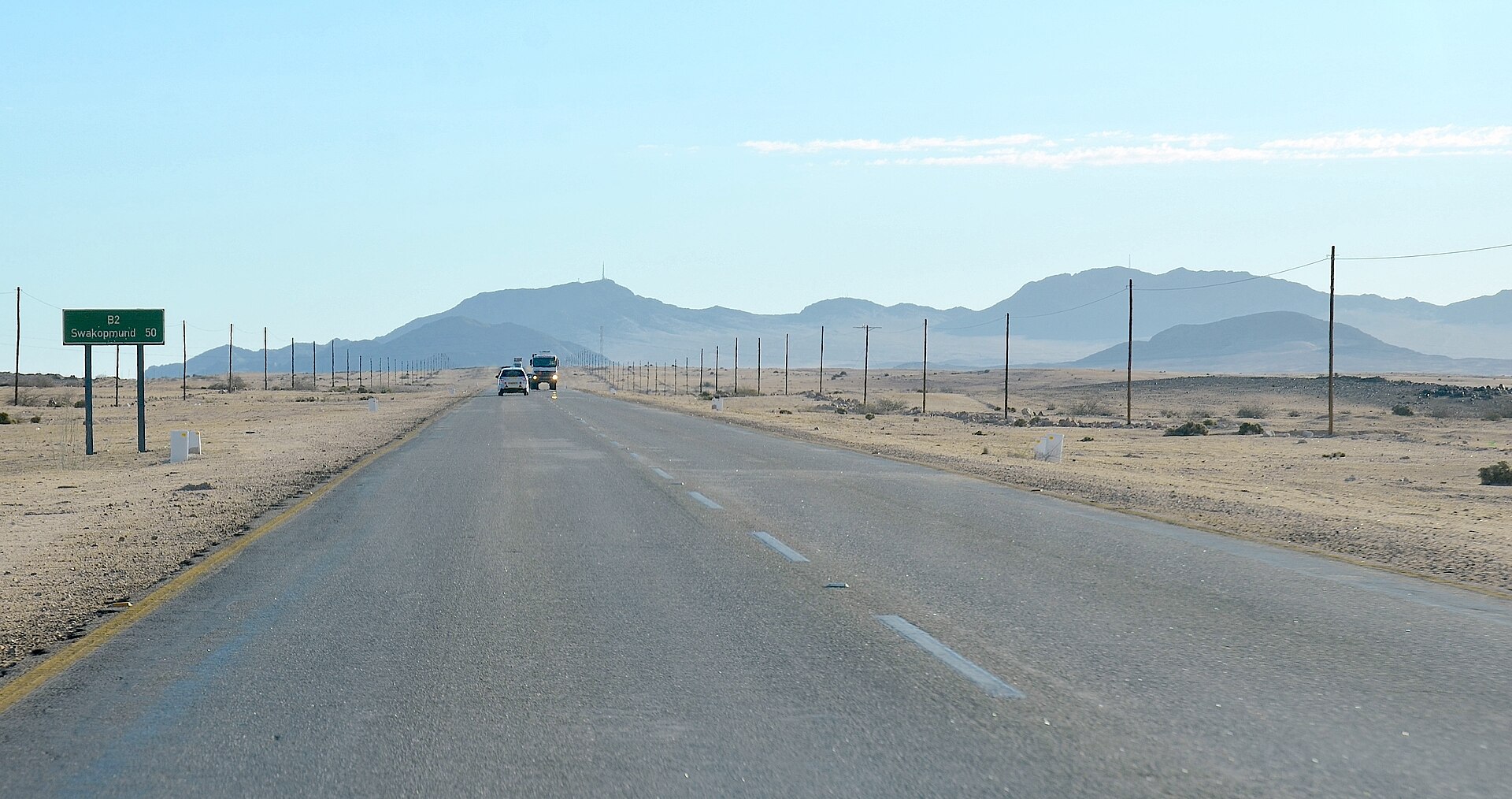
The classic Namibia highlights are spread across a country larger than most first-time visitors expect. Sossusvlei, Swakopmund, Damaraland and Etosha fit together naturally, but only if the route leaves room for gravel roads, early starts and the occasional afternoon when the landscape is the main event. A good first trip is not the one that collects the most map pins. It is the one that reaches each place with enough time left to experience it.
For most travellers planning the classic Namibia highlights, 12 to 14 nights is the practical sweet spot. Ten nights can work with careful choices; seven nights requires a much tighter focus. The route below assumes a self-drive beginning and ending in Windhoek, with conservative travel days and two-night stays where they matter most.
In this guide
Classic Namibia highlights: the route shape that works
The most coherent classic Namibia highlights circuit runs Windhoek–Sossusvlei–Swakopmund–Damaraland–Etosha–Windhoek. It moves through distinct landscapes without backtracking: central highland, dune desert, Atlantic coast, rocky north-west and wildlife country. The official Namibia Tourism Board notes that most of the road network is gravel and recommends allowing extra time rather than planning by distance alone. That principle should govern the entire itinerary.
On a classic Namibia highlights itinerary, treat every change of region as a travel day. Windhoek to Sesriem, Sesriem to Swakopmund and the coast to Damaraland are not small transfers squeezed around a full activity programme. They are substantial drives with fuel stops, viewpoints and slower sections. Aim to arrive before late afternoon, particularly where the final approach is on gravel.
Days 1–2: Windhoek and the first night
After a long-haul flight, collect the vehicle, inspect the tyres and tools, buy water and basic food, and sleep in or near Windhoek. Hosea Kutako International Airport is outside the city, so an arrival day already includes a transfer. Driving directly to the desert after a late flight creates a needlessly tiring first day.
Use the next morning for anything that depends on a city: a local SIM, cash, forgotten equipment and questions for the rental company. If the flight arrives early and everyone is rested, the first full night can be south of Windhoek, but keep the booking flexible enough to absorb a delayed arrival.
Days 3–4: Sossusvlei without racing the light
Within a classic Namibia highlights route, give the Sesriem area two nights. The first is an arrival night; the second follows the early visit to the dunes, Deadvlei or Sossusvlei. One night looks efficient on a spreadsheet but usually means reaching Sesriem after a long drive, waking before dawn, spending the morning in the heat and then immediately starting another major transfer.
Stay inside the park or close to the gate according to budget and availability. Confirm current gate arrangements, shuttle requirements and park fees shortly before travel, because access details can change. Keep Sesriem Canyon or Elim Dune as optional additions rather than promises that must be completed.
Days 5–6: Swakopmund as a change of pace
The drive to Swakopmund crosses the Namib-Naukluft landscape and the Kuiseb and Gaub areas. Start with a full tank and avoid calculating arrival from the speed limit. Among the classic Namibia highlights, Swakopmund deserves two nights because the coast provides both practical recovery and a genuine change of setting: cooler air, restaurants, laundry, vehicle checks and guided desert or marine activities.
Choose one major activity rather than stacking several into the same day. A living-desert tour, Sandwich Harbour excursion, marine cruise or scenic flight each benefits from weather flexibility. Leave the other half of the day open for the town, the beach and preparation for the more remote north-west.
Book the route, not just individual rooms
When arranging classic Namibia highlights, accommodation availability can determine the direction and pace of a first Namibia circuit, especially around Sesriem and Etosha. Compare stays by region before fixing the driving plan, then book the scarce nights first.
Days 7–9: Damaraland needs breathing room
After the coastal classic Namibia highlights, move inland from Swakopmund towards the Spitzkoppe, Brandberg, Uis, Khorixas or Twyfelfontein area. This is not one destination but a wide region of dry riverbeds, rock formations, conservancies and small settlements. Two or three nights let you choose a sensible base rather than spending each day relocating.
Visit rock-art sites with the required local guide and treat wildlife searches as guided activities, not a reason to chase animals along dry riverbeds. Desert-adapted elephants range freely and sightings are never guaranteed. A responsible plan values context, distance and local knowledge over a checklist encounter.
Days 10–12: Etosha with at least two full days
Enter Etosha from the side that fits your Damaraland route and leave towards Windhoek. Three nights usually provide two proper game-viewing days and reduce the temptation to cross the park too quickly. In the dry season, waterholes can concentrate wildlife; in greener months, the experience is more dispersed and birdlife becomes part of the reason to visit.
Build each day around gate times, heat and patience. Early morning and late afternoon are productive periods, but the best plan is not to drive continuously. Choose a smaller group of waterholes and habitats, stop for long enough to observe them and never treat a sighting as guaranteed.
What to cut when time is short
With ten nights, keep the core classic Namibia highlights of Sossusvlei, Swakopmund and Etosha, then use one well-chosen overnight between the coast and the park. With seven nights, choose either the desert-and-coast route or Windhoek–Etosha–Waterberg rather than forcing the national circuit. The places removed from the first trip become the structure of a better second trip.
- Do not remove the first recovery night after an overnight flight.
- Do not make both Sossusvlei and Etosha single-night stops.
- Do not add Lüderitz, Fish River Canyon or the Zambezi Region to a two-week classic circuit unless another major region is removed.
- Do keep one flexible afternoon for weather, vehicle issues or simple fatigue.
A final practical check
Before confirming a classic Namibia highlights route, compare real drive times, fuel range, sunset, gate hours and the conditions in the rental agreement. Namibia is highly workable as a self-drive destination, but its scale rewards margin. Our self-drive Namibia guide covers the wider preparation, while the itinerary hub helps match the route to seven, ten, fourteen or twenty-one days.
For current national transport guidance, consult the Namibia Tourism Board’s transportation guidance and verify local road or park information close to departure. A realistic classic Namibia highlights itinerary is less dramatic on paper than a rushed one, but it produces the Namibia people actually came to see: spacious, varied and unforced.