
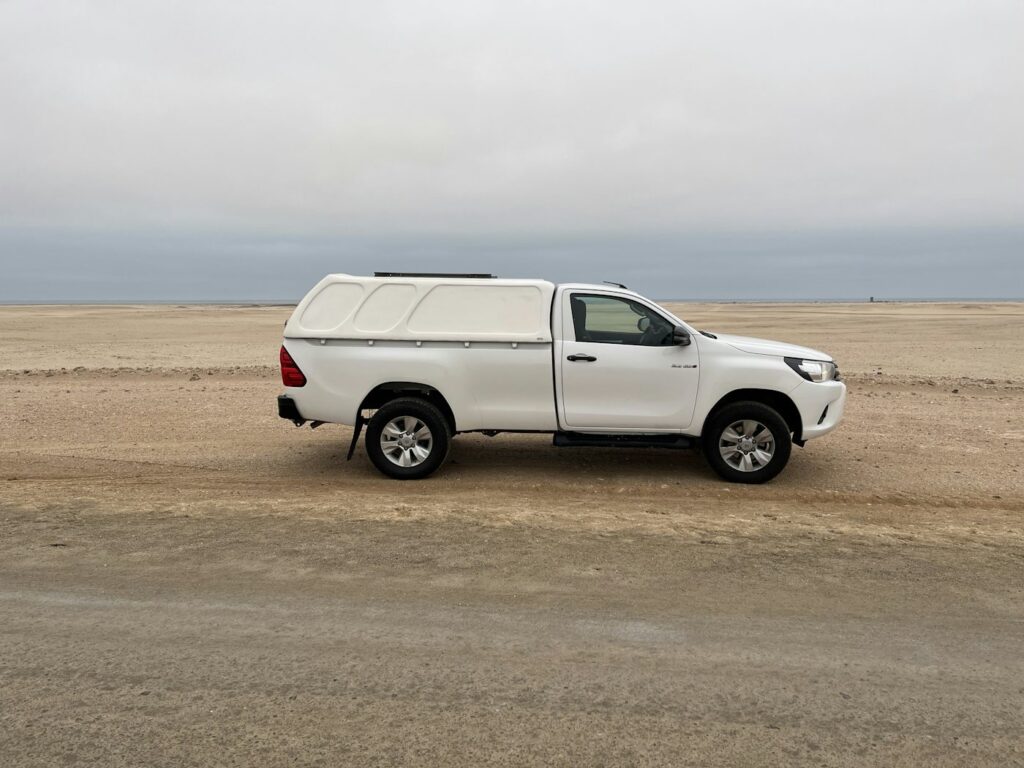
Most serious self-drive problems in Namibia come from a small set of avoidable mistakes rather than bad luck: underestimating gravel-road travel times, driving too fast for the surface, and running low on fuel or water in remote areas. This guide works through the most common Namibia self-drive mistakes so you can plan around them, building on our broader self-drive planning guide.
Planning Excessive Daily Distances
Namibia looks compact on a map but distances between destinations are often several hundred kilometres, much of it on gravel. A common first-time mistake is planning a daily driving distance that would be comfortable on a sealed highway elsewhere, without accounting for gravel speeds, photo stops, and fatigue. Build in more time than you think you need, and treat long driving days as part of the experience rather than a gap between destinations.
Underestimating Gravel-Road Travel Times
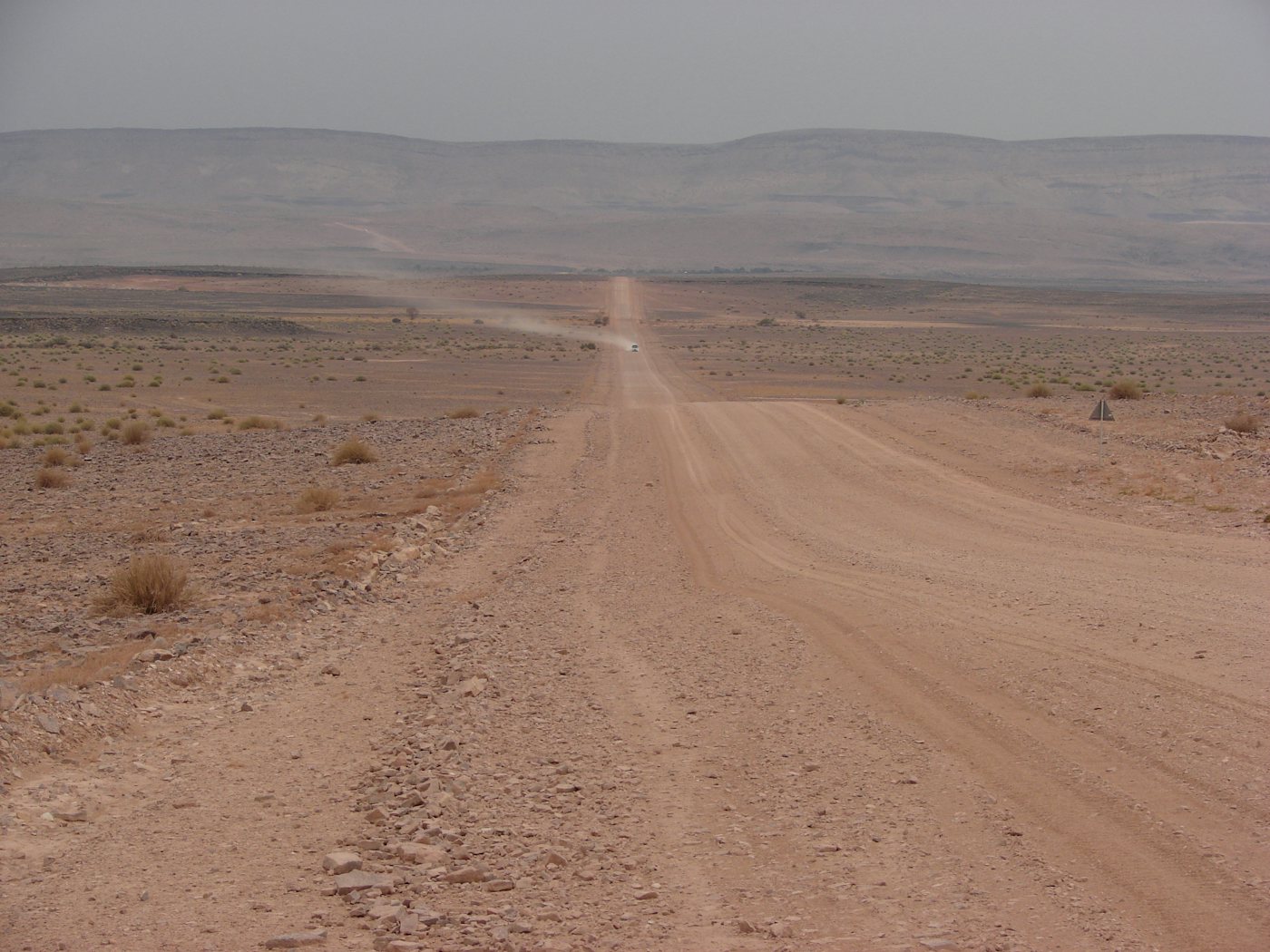
Gravel roads generally take longer to drive safely than the same distance on tar, due to corrugations, loose surfaces and reduced safe speeds. Route-planning tools calibrated for sealed roads can understate real travel time significantly. Ask local operators or your accommodation for realistic time estimates for gravel sections, and build in a buffer rather than relying purely on a map application’s estimate.
Driving Too Fast for the Surface
Excess speed on gravel is one of the most common causes of serious self-drive incidents in Namibia, particularly through loose sections, corrugations and sudden bends. Reducing speed below what feels “too slow” for the open, empty-looking road is one of the simplest and most effective habits a visiting driver can adopt.
Driving After Dark
Wildlife and livestock frequently cross roads at dusk and after dark, and unlit gravel roads make hazards harder to see in time to react. Plan to reach your destination well before sunset wherever possible, and treat night driving between towns as a last resort rather than a routine option.
Poor Fuel Planning
Fuel stations can be far apart in remote regions, and not every station is reliably stocked or open at all hours. Refuel whenever you pass a station below half a tank rather than waiting until you are low, and confirm the distance and reliability of the next station before setting off on longer remote stretches.
Carrying Too Little Water
Vehicle breakdowns or delays in remote areas are manageable with enough water on board, and genuinely risky without it. Carry more drinking water than feels necessary for the planned drive, particularly on remote northern and desert routes.
Depending on Mobile Coverage
Mobile signal disappears for long stretches on many routes. Download offline maps in advance, and do not assume you will be able to call for help, look up directions, or contact your accommodation while on the road between towns.
Ignoring Tyre Condition
Punctures are one of the most common gravel-road incidents. Check tyre condition and pressure at the start of each day, confirm the spare tyre is present, inflated and accessible, and know where the jack and wheel-changing tools are stored before you need them under time pressure.
Ignoring the Rental Agreement
Many rental agreements specify which roads are covered by insurance, restrictions on driving after dark, and procedures for reporting damage or breakdowns. Read this agreement properly rather than skimming it, since it directly affects what happens if something goes wrong.
Overloading the Itinerary
Trying to visit too many destinations in too short a time is a common planning mistake that compounds every other risk on this list, since it pushes travellers toward longer driving days, later arrivals, and less flexibility to wait out bad weather or fatigue. See our suggested itineraries for realistically paced routes.
Treating Drive Times as Guarantees
Any estimated drive time, including those in this guide and elsewhere, should be treated as a rough guide rather than a guarantee. Weather, road works, wildlife crossings and your own comfort level with gravel driving can all extend a journey beyond the “expected” time.
Weather and Flash Floods
In the green season (roughly November to April), sudden storms can cause temporary flooding across low-lying roads and dry riverbeds. Never attempt to cross a flooded causeway or riverbed if the depth or current is unclear; wait or turn back, and check locally for current conditions before setting out.
Remote-Route Preparation
Remote north-western and desert routes require more preparation than routes closer to major towns: additional fuel range, more water, a clear plan communicated to someone else, and realistic expectations about how long help could take to arrive if needed.
Wildlife and Livestock on Roads
Livestock, wildlife and domestic animals frequently use roads as the easiest walking surface, particularly near communal farming areas. Reduce speed in these areas, especially at dawn, dusk and night, and be prepared to stop suddenly.
Failing to Share Your Route Information
Before setting off on a remote day’s drive, share your planned route and expected arrival time with your accommodation or a travel companion not on the same vehicle. This simple habit meaningfully improves response time if something goes wrong.
Fatigue and Post-Flight Recovery Time
Long-haul flight fatigue combined with an immediate long self-drive is a common and avoidable mistake. Where possible, build in a lighter first day near your arrival point before beginning demanding gravel driving, and take regular breaks throughout longer drive days.
Responsible Driving
Responsible self-driving in Namibia means respecting speed limits and road conditions, giving wildlife and livestock the right of way, avoiding unnecessary off-road driving that damages fragile vegetation and soil crusts, and leaving no litter at rest stops.
Treating All Gravel Roads as the Same
Namibia’s road network includes several categories, from well-maintained primary gravel roads to rougher, narrower district roads with less traffic and slower realistic speeds. A common mistake is assuming that because a route is technically passable in a standard vehicle, it will feel similar to a well-graded main gravel road. Check the specific route category with your rental provider or local operators rather than assuming uniform conditions across the whole network.
Driving Through Dust Clouds from Oncoming Vehicles

Passing an oncoming vehicle on gravel often produces a temporary dust cloud that can reduce visibility to almost nothing for a second or two. Slow down well before the moment of passing, keep to your side of the road, and never accelerate into a dust cloud, since a slower vehicle, animal or pothole can be invisible inside it.
Not Adjusting Approach for Sandy Sections
Some routes include soft sandy patches where standard gravel-driving technique is not enough. Sudden braking or sharp steering in sand can cause a loss of control. If your route includes known sandy sections, ask locally about the current condition and appropriate technique before attempting it, rather than treating it as ordinary gravel driving.
Assuming Recovery Help Is Nearby
On quieter remote routes, another vehicle may not pass for an extended period. This is less a single “mistake” than a mindset error: treat remote gravel routes with the same seriousness you would apply to genuinely remote wilderness travel, with supplies and a shared route plan to match.
Underestimating Border and Permit Logistics
If your itinerary includes border crossings or park-entry permits, confirm current requirements, opening hours and accepted payment methods well in advance rather than assuming they will be straightforward on the day. Delays at borders or gates can have a knock-on effect on the rest of a tightly-planned day’s driving.
Pre-Departure Checklist
| Check | Why It Matters |
|---|---|
| Tyres and spare | Punctures are the most common gravel-road incident |
| Fuel range to next reliable station | Stations can be far apart and not always open |
| Water on board | Essential buffer in case of delay or breakdown |
| Offline maps downloaded | Mobile signal is unreliable between towns |
| Route shared with someone | Improves response time in an emergency |
| Rental agreement reviewed | Clarifies insurance and permitted roads |
Booking ahead is the mistake people make most
Several of the mistakes on this page come down to arriving somewhere with no bed booked. These three are on the legs where that goes wrong most often — Sesriem, Damaraland and the Etosha gate roads.
Places to stay near Namibia
Desert Camp
Desert Camp is a self-catering camp on a farm off the D826, about 5 kilometres from Sossusvlei Lodge and the…
Price Guide: N$2,682–N$2,862
View Property DetailsMadisa Camp
An inventive, family-run camp of safari tents and campsites set among boulders between Twyfelfontein and the…
Price Guide: N$2,800
View Property DetailsEtosha Trading Post Campsite
Etosha Trading Post Campsite sits on the southern approach to Etosha, within convenient reach of the Andersson…
Price Guide: N$585
View Property Details

Frequently Asked Questions
Is self-driving in Namibia safe for first-timers?
Many first-time visitors self-drive successfully in Namibia by respecting gravel-road speeds, planning realistic distances, and preparing properly. It requires more caution than driving on sealed roads at home, but is not inherently unsuitable for careful first-time drivers.
Do I need a 4×4 to avoid these mistakes?
Not necessarily; many routes are manageable in a well-prepared 2WD vehicle. A 4×4 becomes more relevant for specific remote or sandy routes. See our self-drive guide for vehicle-selection guidance.
Last reviewed: July 2026.
Related Guides
Namibia Packing List
Kit that supports safer self-driving, from water to navigation backups.
Best Time to Visit Namibia
How season affects road conditions and driving risk.
Self-Drive Namibia
Full route planning and vehicle preparation guidance.
Continue Planning Your Trip
Pair this guide with our Namibia packing list and our best time to visit Namibia guide to prepare a realistic, well-timed self-drive itinerary.
Packing List Best Time to Visit Self-Drive NamibiaWhere this matters most
The regions where these mistakes bite hardest are Damaraland, Kaokoland and the Kunene and the Skeleton Coast, where distances between fuel stops are long and road surfaces change without warning. Plan the driving itself using our Namibia self-drive guide and the driving distances table.