
Explore Namibia’s Destinations
This is the Namibia destinations index — the starting point for the regions, towns, parks and landmarks covered on this site. Namibia is vast, and its regions differ enormously: fog-bound Atlantic coastline, red desert dunes, a great wildlife-rich pan, and perennial rivers in the far north-east. The country is organised here into thirteen regions, each linking through to the places worth building a route around.
See all 13 regions ↓Where first-time visitors usually start
Most Namibia itineraries are built around three anchors. Start here if you are planning your first route through the country.
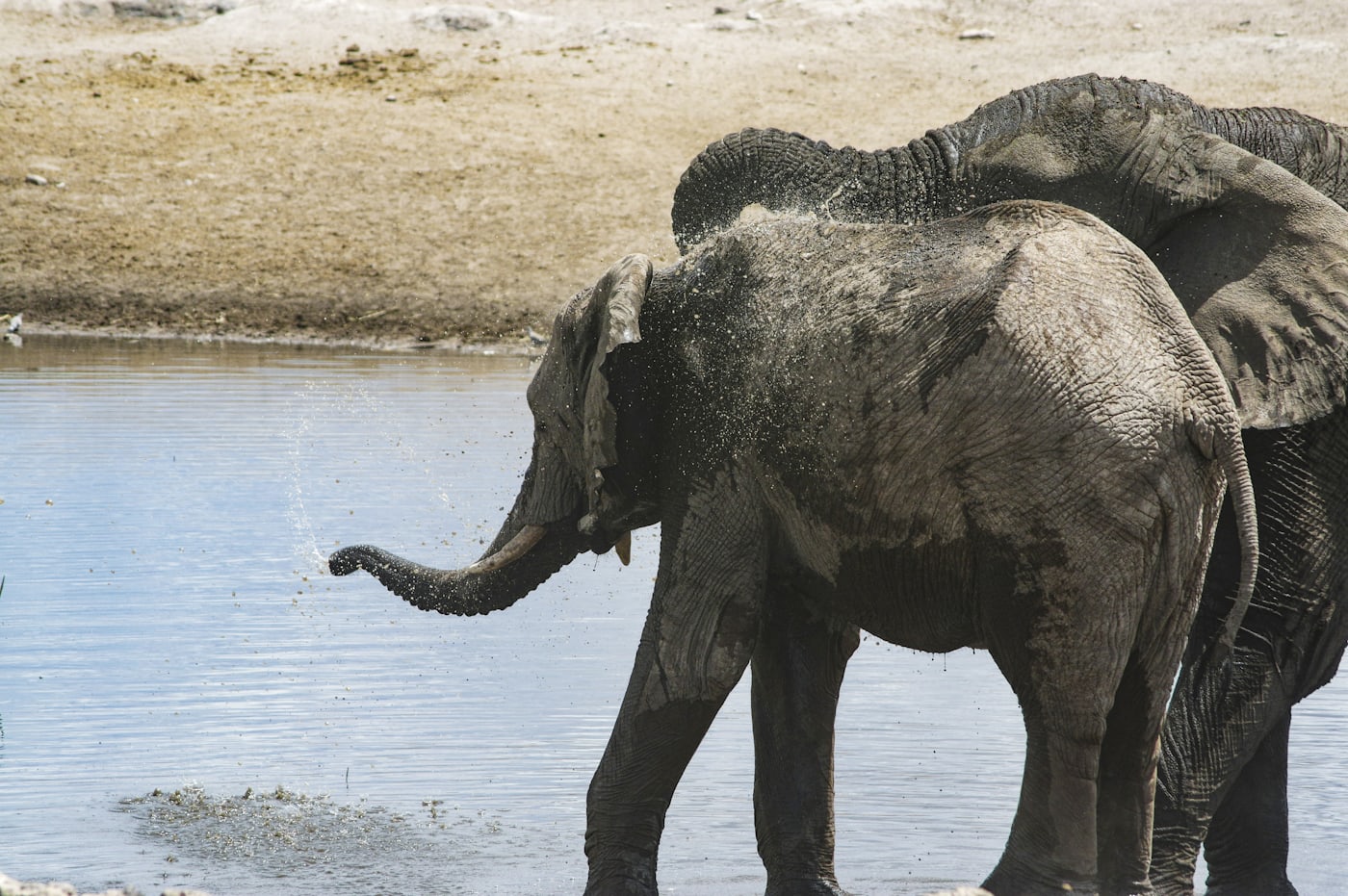
Etosha and the North
Namibia’s premier wildlife destination: a vast salt pan ringed with waterholes where elephant, lion and rhino gather.
Start planning →
The Namibian Coast
Fog-bound Atlantic beaches, German colonial architecture and flamingo-filled lagoons.
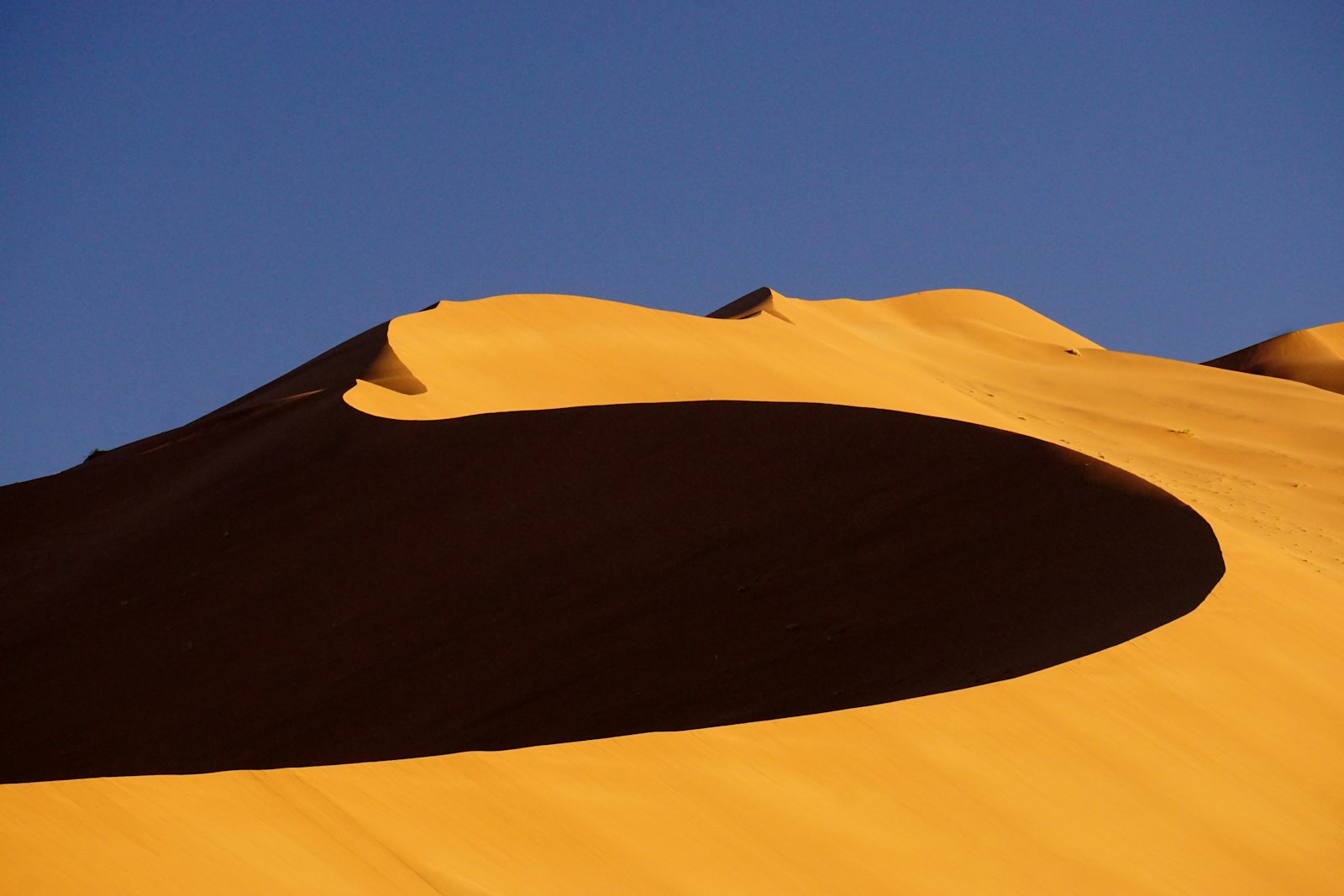
Start planning →Sossusvlei and the Namib Desert
Some of the tallest dunes on Earth, the ghostly clay pan of Deadvlei and star-filled desert skies.
Start planning →Namibia’s thirteen regions
Each region links through to its own hub page, with individual towns, parks and attractions inside. Use these to get your bearings, then follow the links through to plan an actual route.
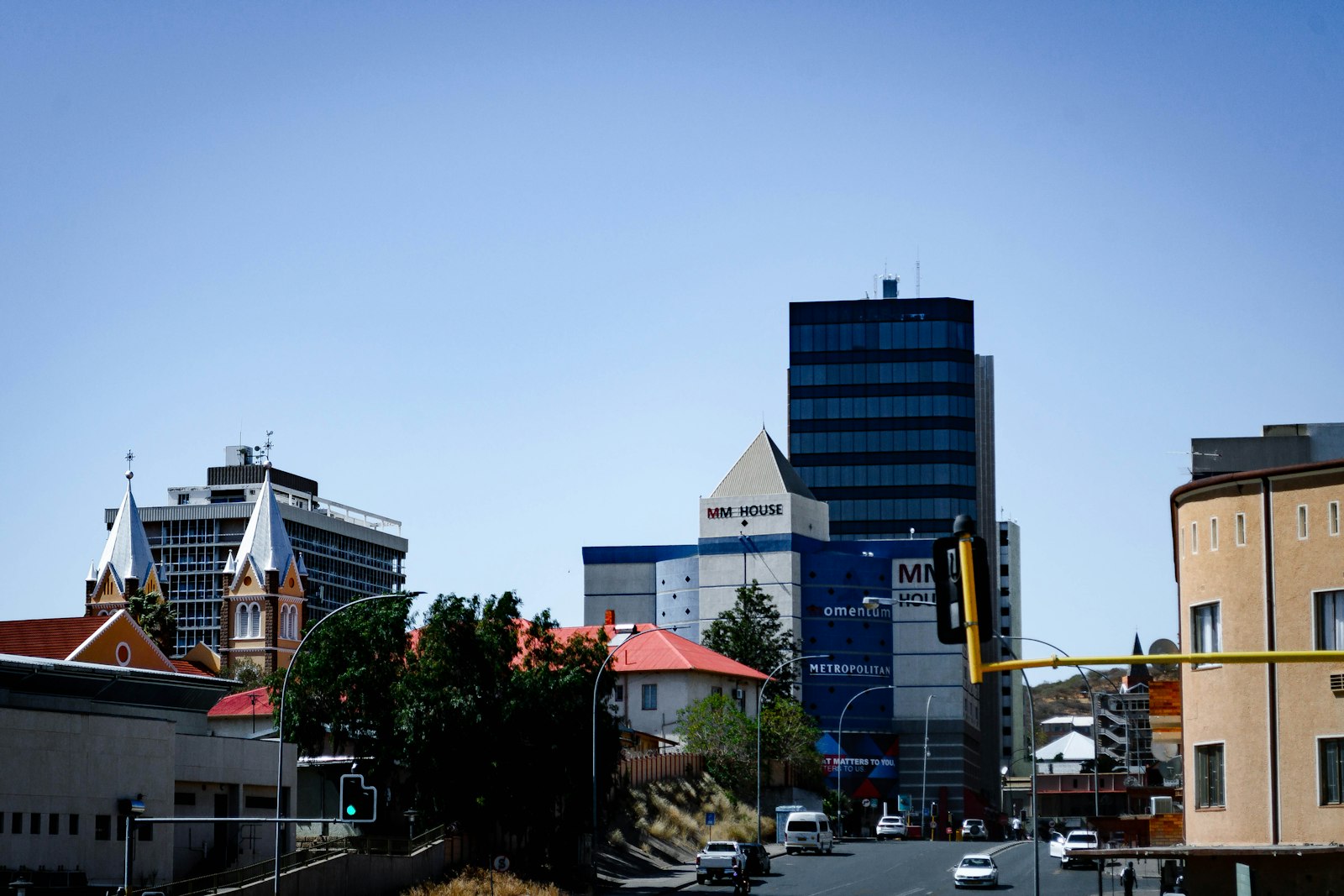
Windhoek and Central Namibia
Namibia’s highland capital and administrative heart, with colonial-era landmarks and a modern African skyline.
Explore Windhoek and Central Namibia →Namibia Coast
Swakopmund’s seaside charm, Walvis Bay’s lagoon, the Skeleton Coast and Luderitz’s diamond-era history.
Explore Namibia Coast →Etosha and Central North
The great white pan and its waterholes, plus the towns of Outjo, Tsumeb and Grootfontein.
Explore Etosha and Central North →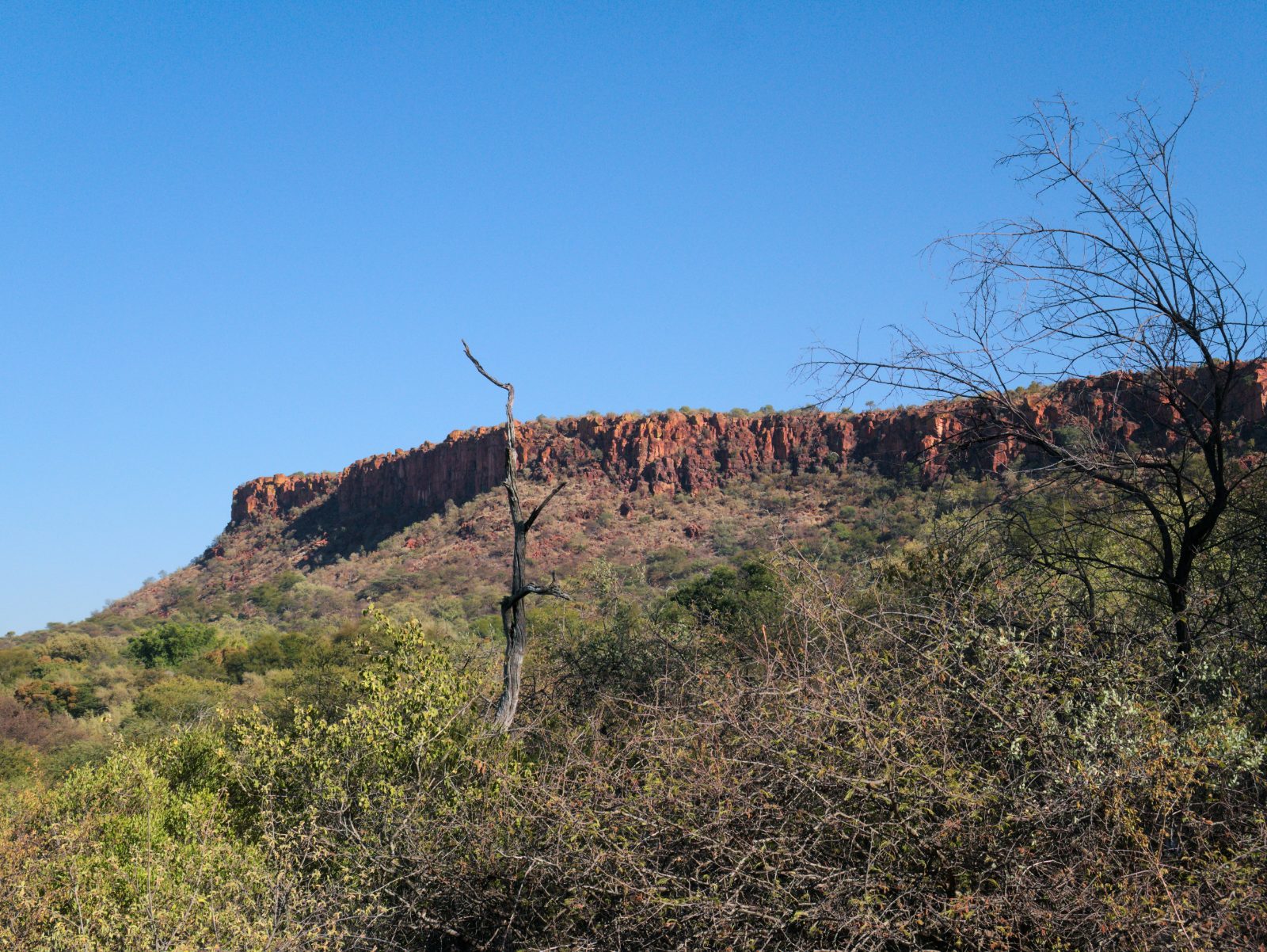
Waterberg and Otjozondjupa
A sandstone plateau rising from the bush, Otjiwarongo and Namibia’s cheetah conservation country.
Explore Waterberg and Otjozondjupa →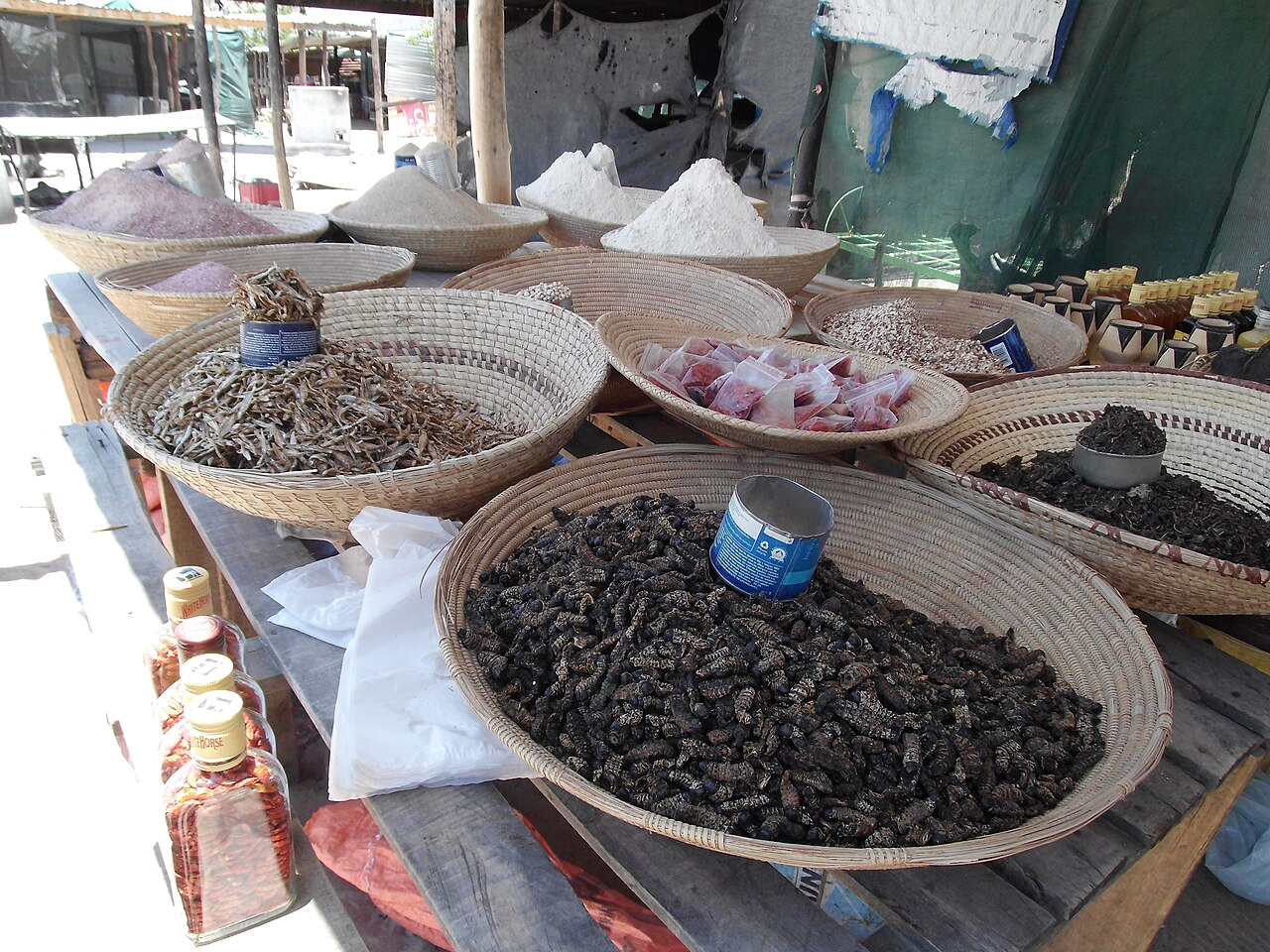
North-Central Namibia
Oshakati, Ondangwa and the densely settled Owambo heartland of oshanas and makalani palms.
Explore North-Central Namibia →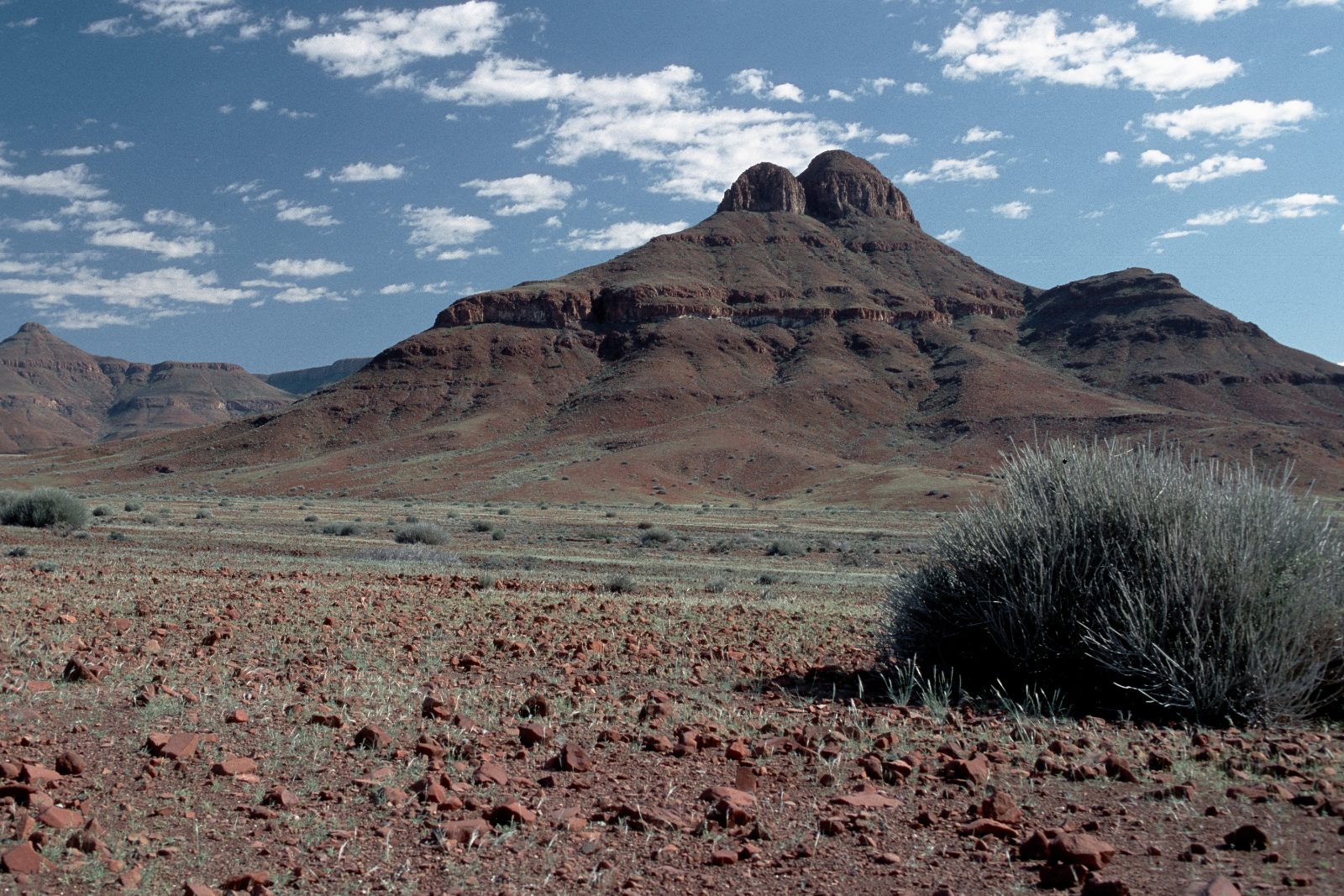
Damaraland
Twyfelfontein’s ancient rock art, the Brandberg massif and an eerie petrified forest.
Explore Damaraland →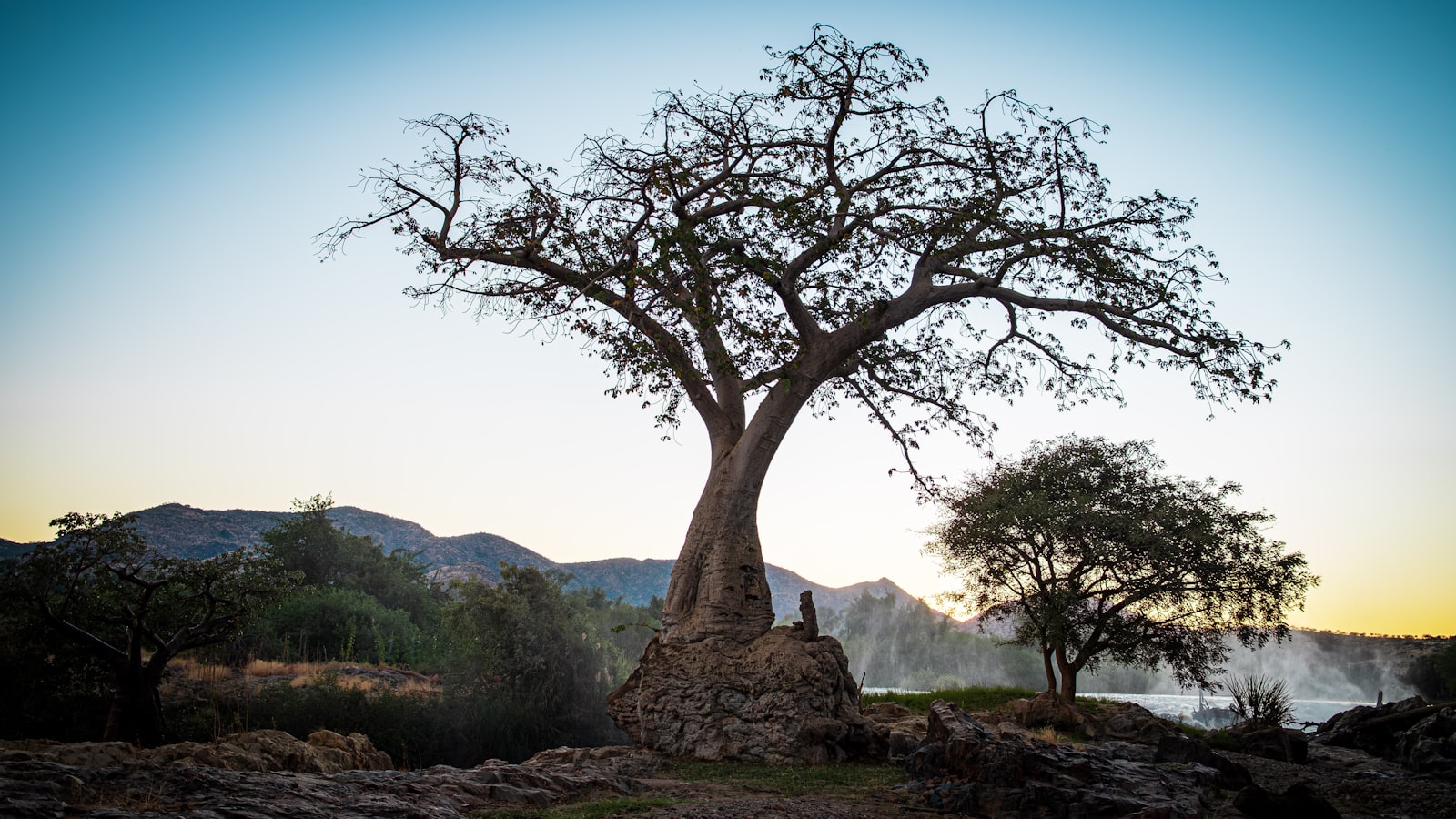
Kaokoland and Kunene
Remote, mountainous Himba country along the Kunene River border with Angola.
Explore Kaokoland and Kunene →Sossusvlei and the Namib Desert
The world’s tallest red dunes, Deadvlei’s ghost trees and the Namib-Naukluft’s gravel plains.
Explore Sossusvlei and the Namib Desert →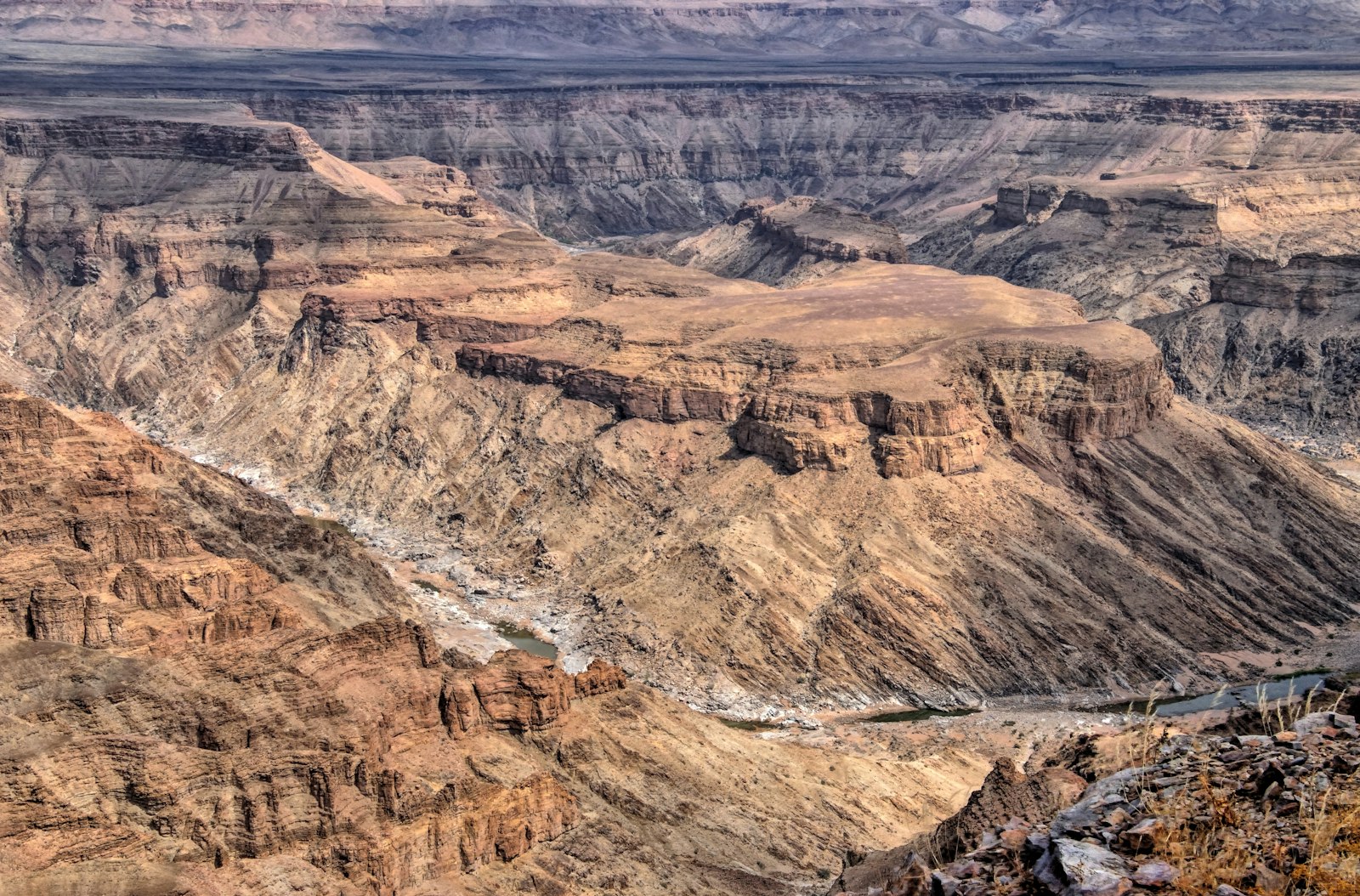
Southern Namibia
Fish River Canyon, quiver tree forests and the long road south toward South Africa.
Explore Southern Namibia →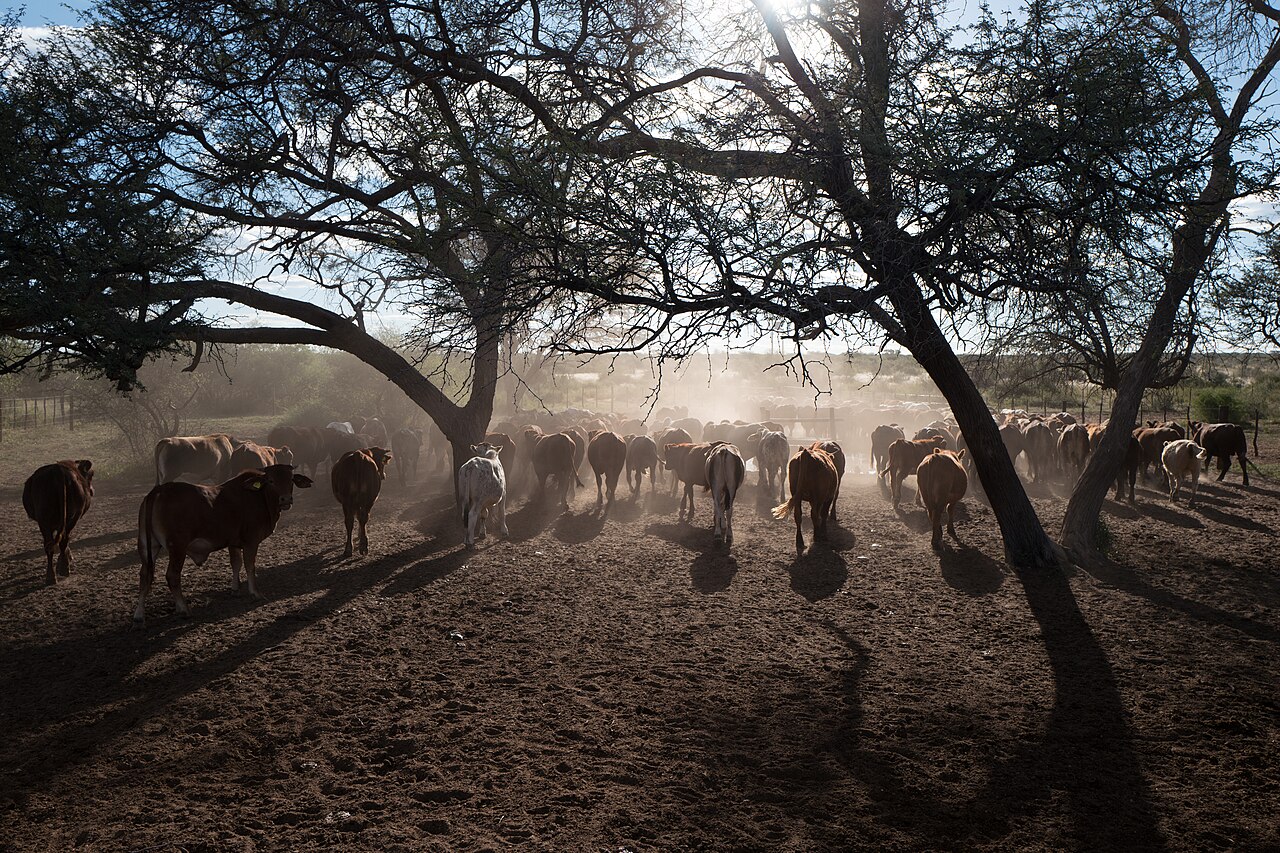
Kalahari and Eastern Namibia
Red Kalahari sand, cattle country and the quiet route east toward Botswana.
Explore Kalahari and Eastern Namibia →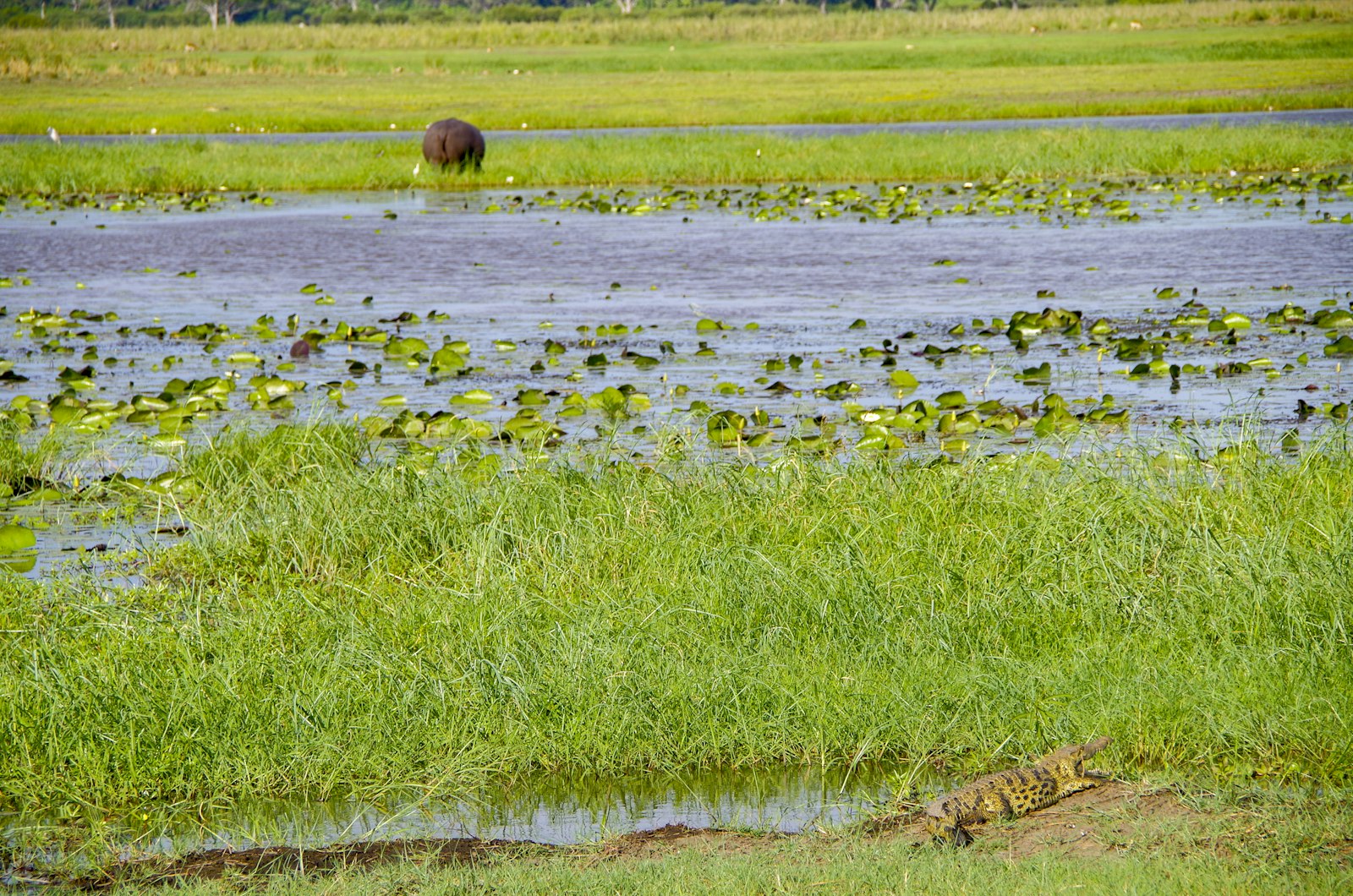
Kavango
Rundu and the perennial Kavango River, gateway to Bwabwata National Park’s wetlands.
Explore Kavango →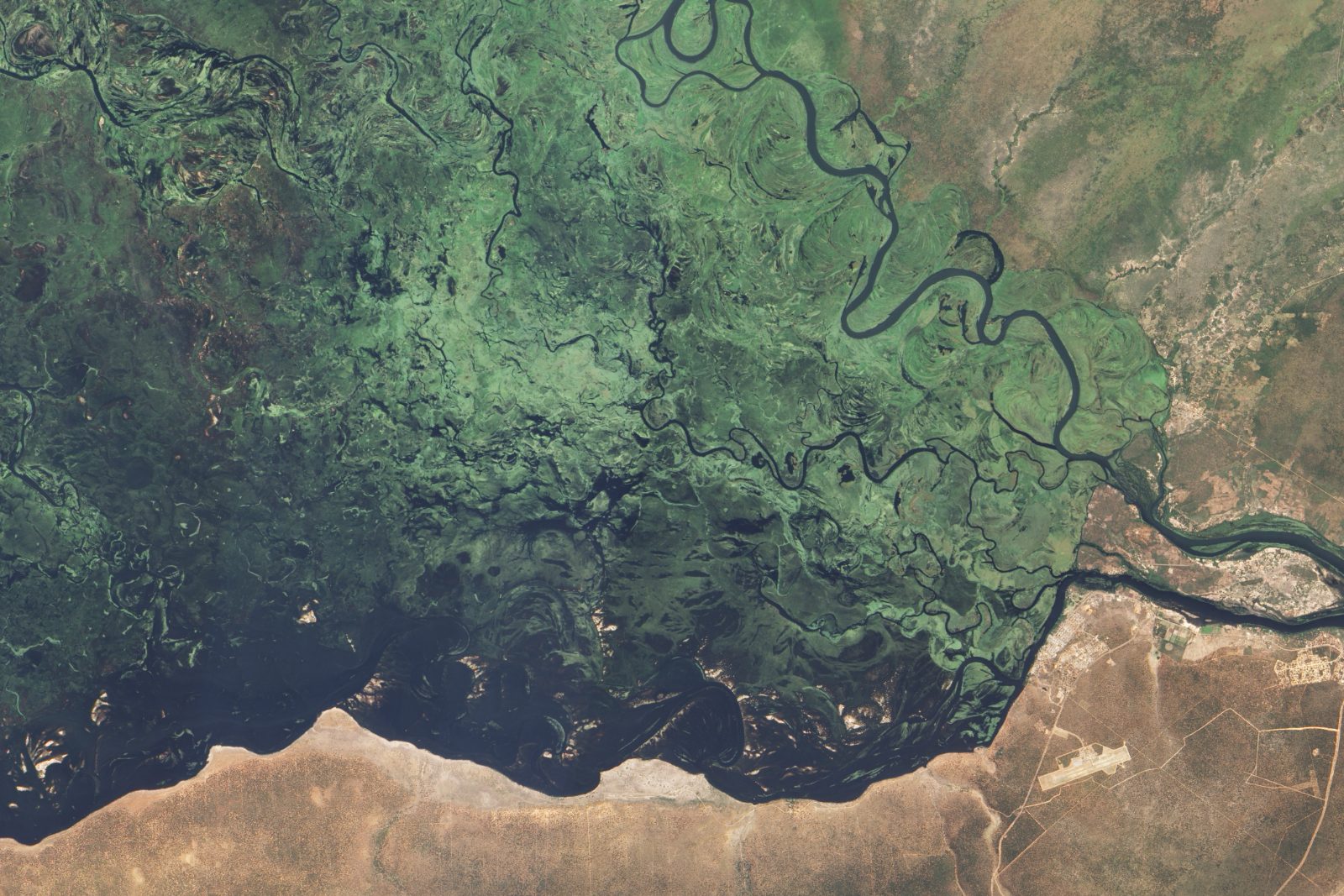
Zambezi Region
Katima Mulilo, the Kwando and Zambezi rivers, and views across four countries.
Explore Zambezi Region →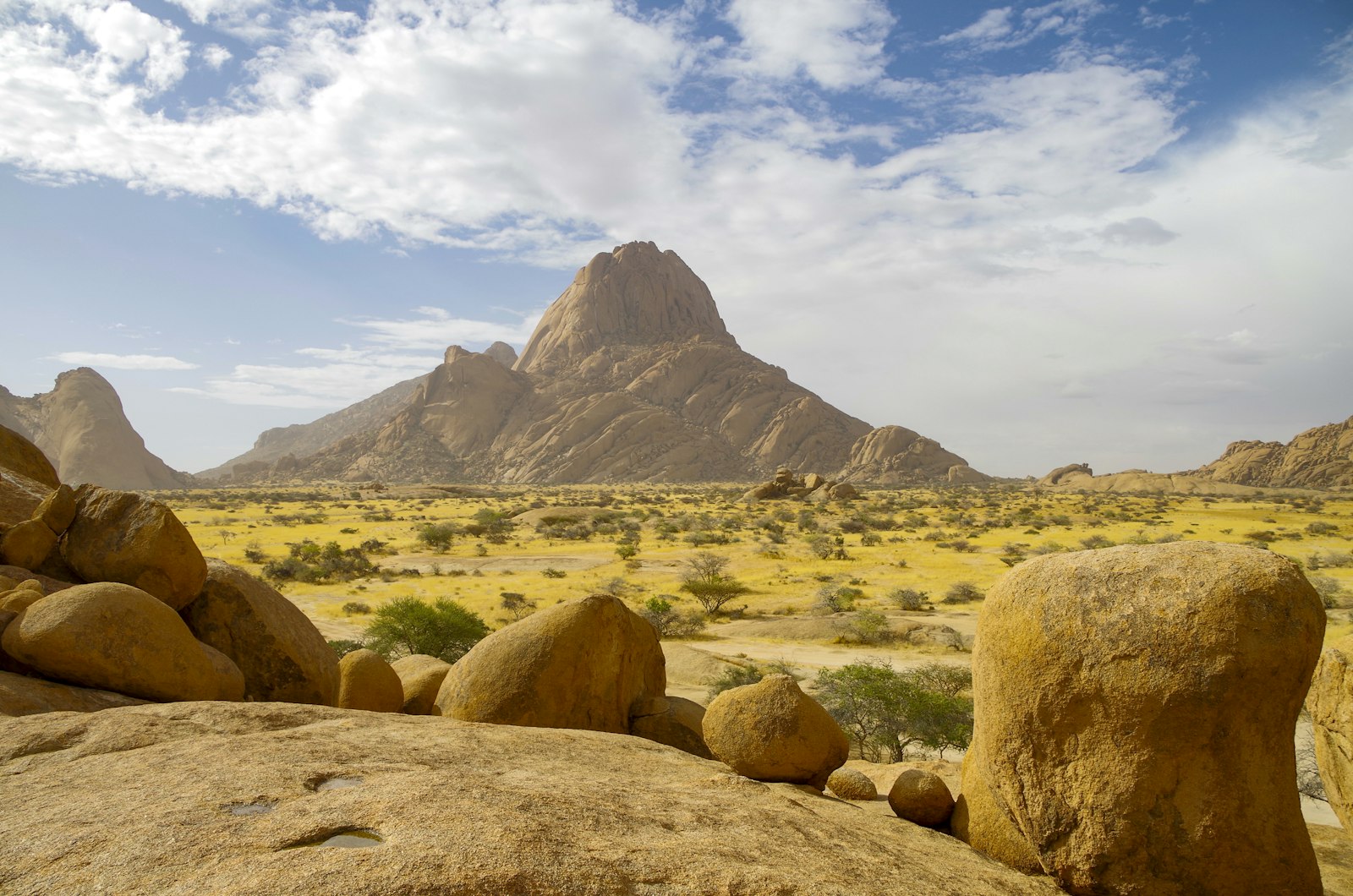
Erongo Inland
Omaruru, Karibib and the giant granite domes of Spitzkoppe.
Explore Erongo Inland →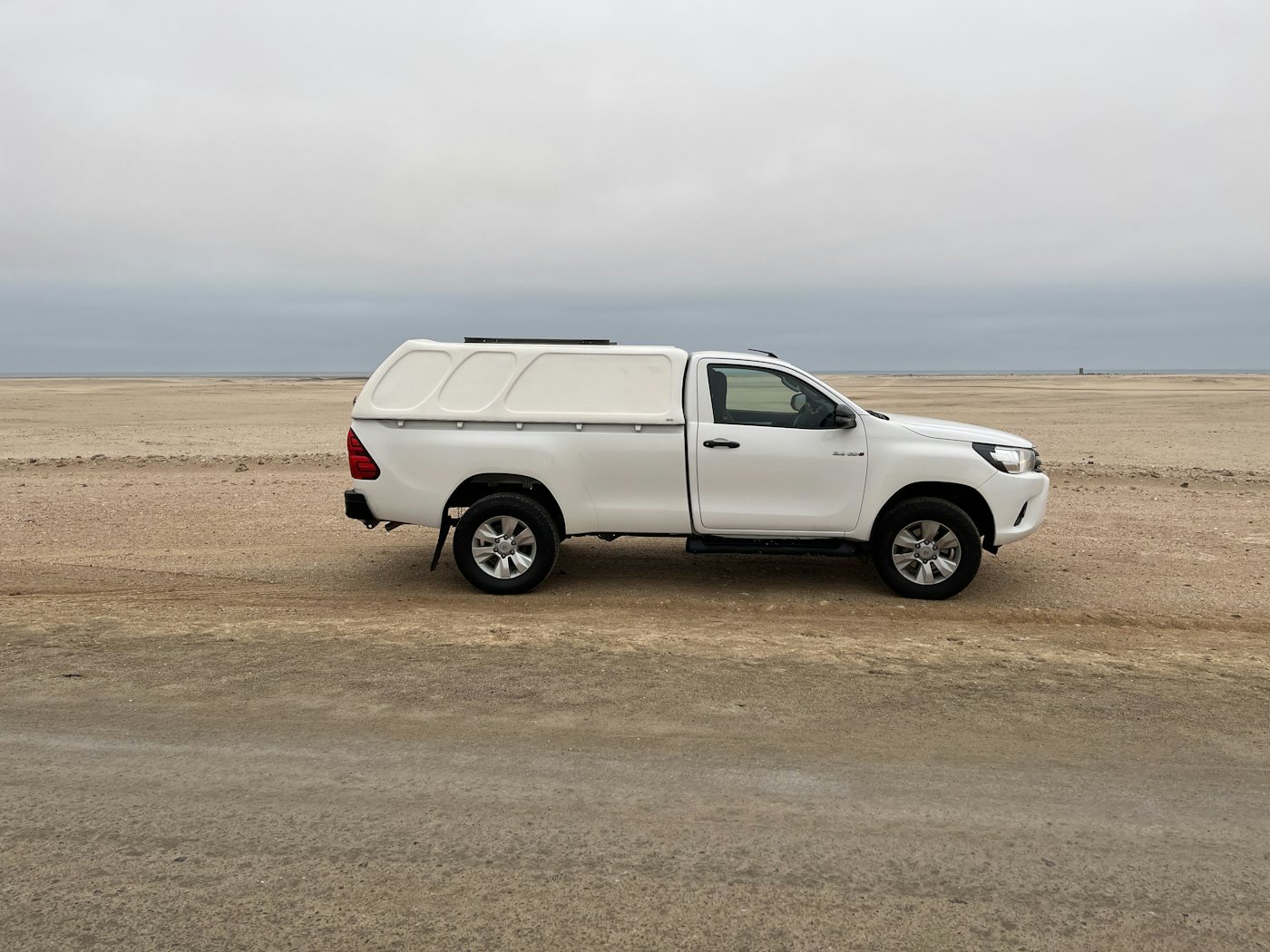
Combining regions into a route
Most visitors see Namibia by self-drive car or 4×4, moving between two or three neighbouring regions rather than trying to cover the whole country in one trip. Distances are long and services can be sparse between towns, so route planning matters more here than in more densely serviced countries. A typical two-week route might link Windhoek, Sossusvlei, the coast and Etosha; a three-week route can add Damaraland, Kaokoland or the south.
Towns, parks and landmarks worth building a route around
A selection of the country’s best-known individual destinations, each with its own dedicated page.
Windhoek
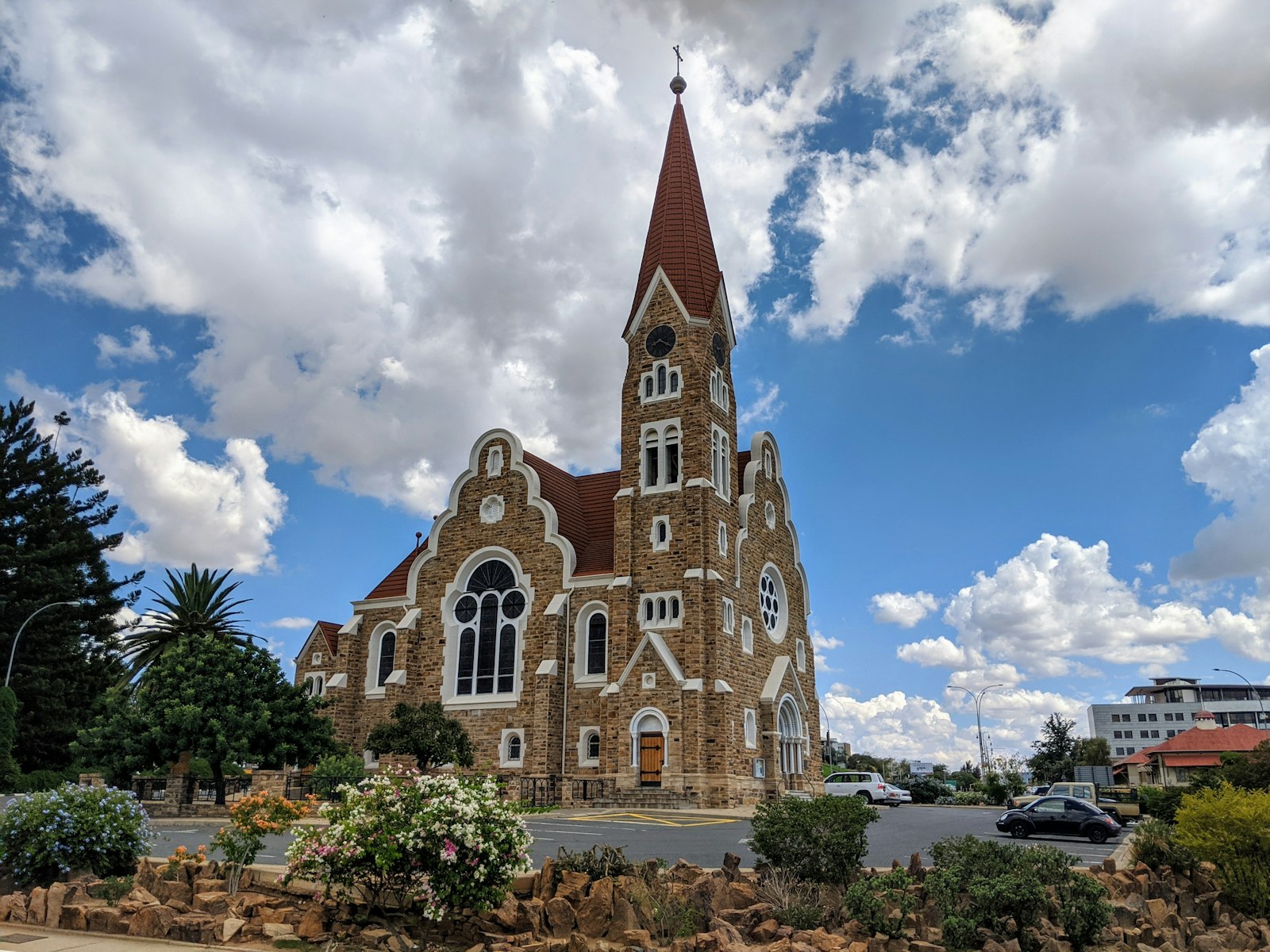
Namibia’s capital, Christuskirche and a highland base for onward travel.
Swakopmund
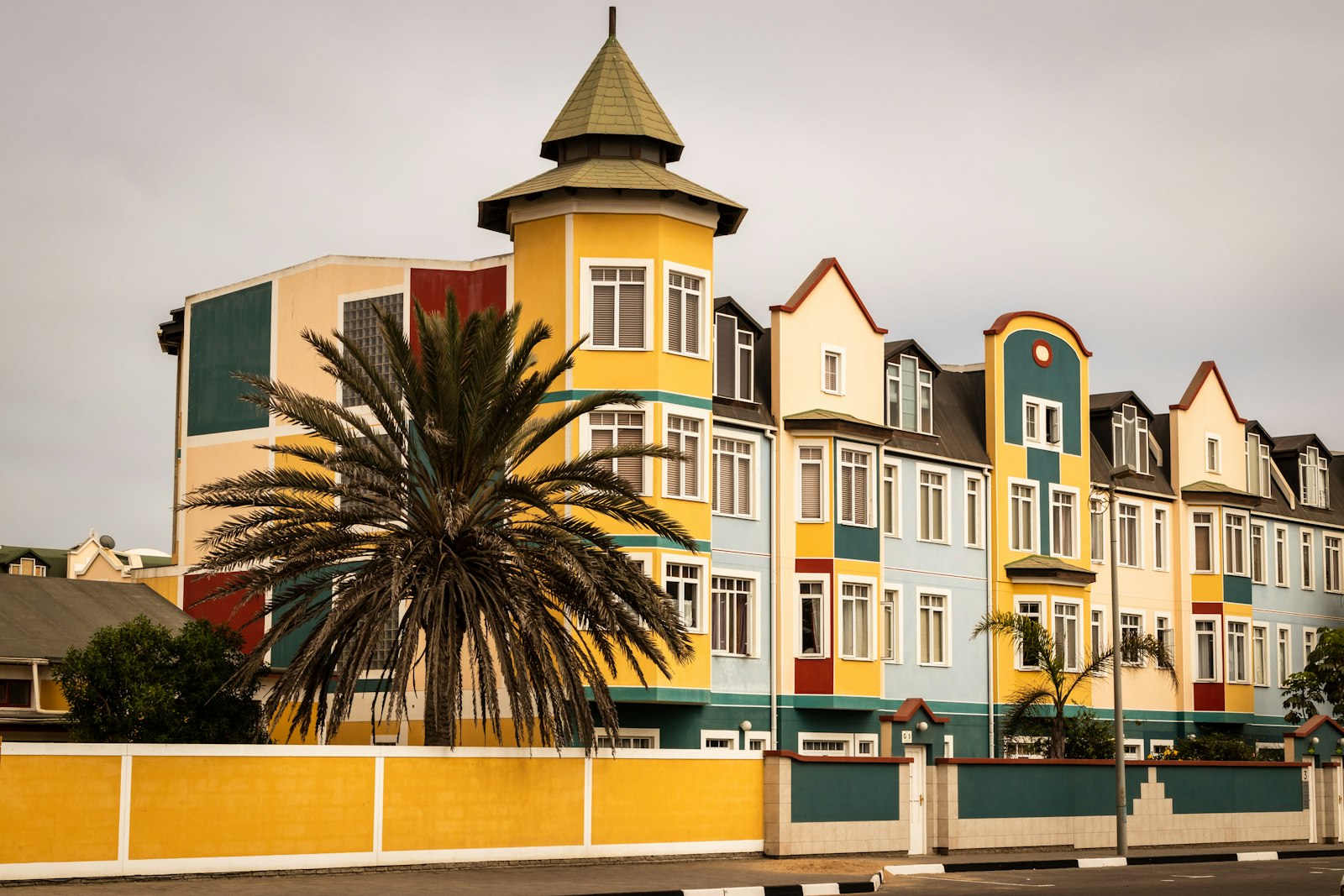
Colonial architecture, adventure activities and a cool Atlantic seafront.

Luderitz and Kolmanskop
A diamond-era port beside a ghost town slowly swallowed by dunes.
Etosha National Park
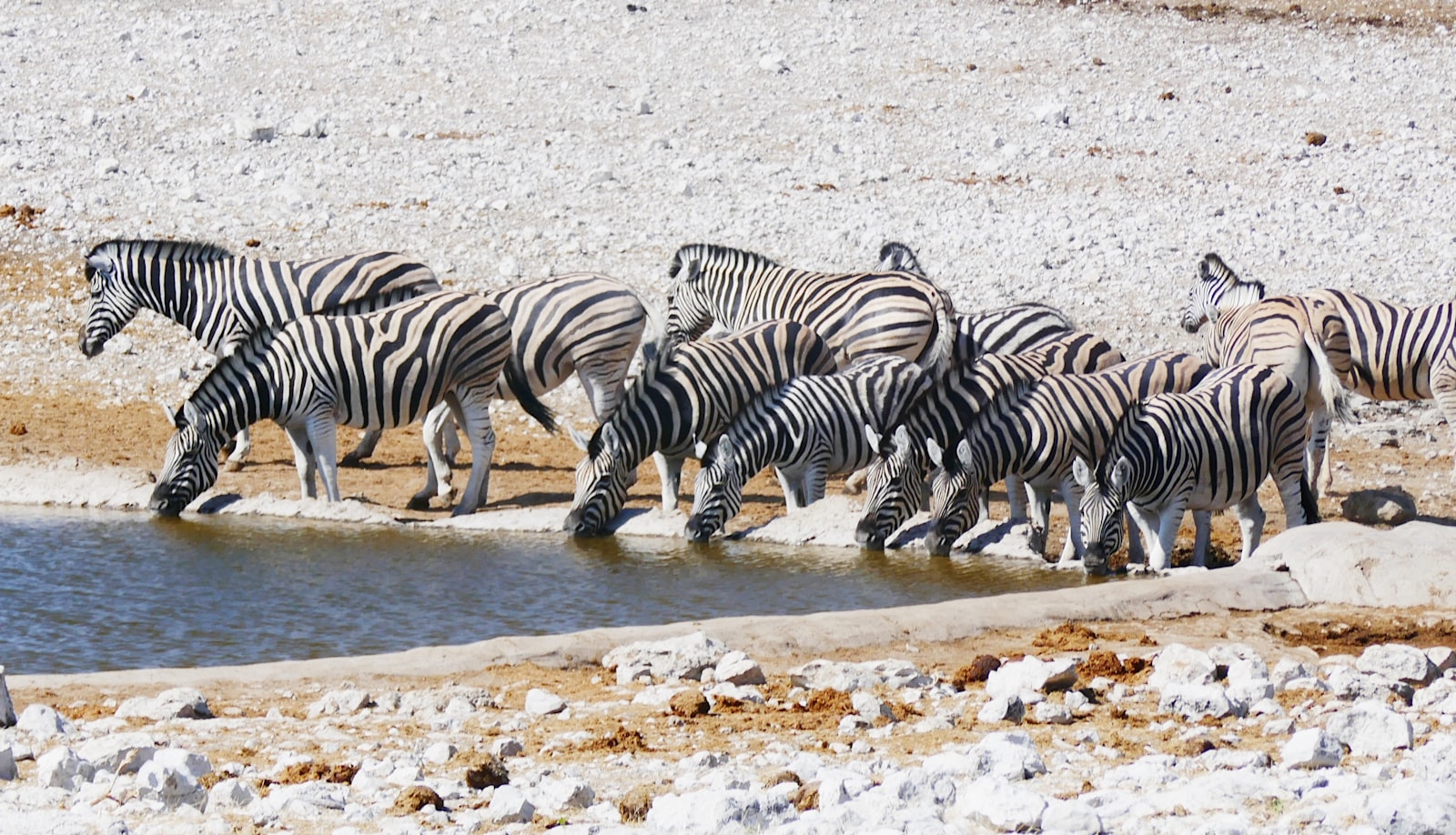
Self-drive game viewing around a vast, shimmering salt pan.
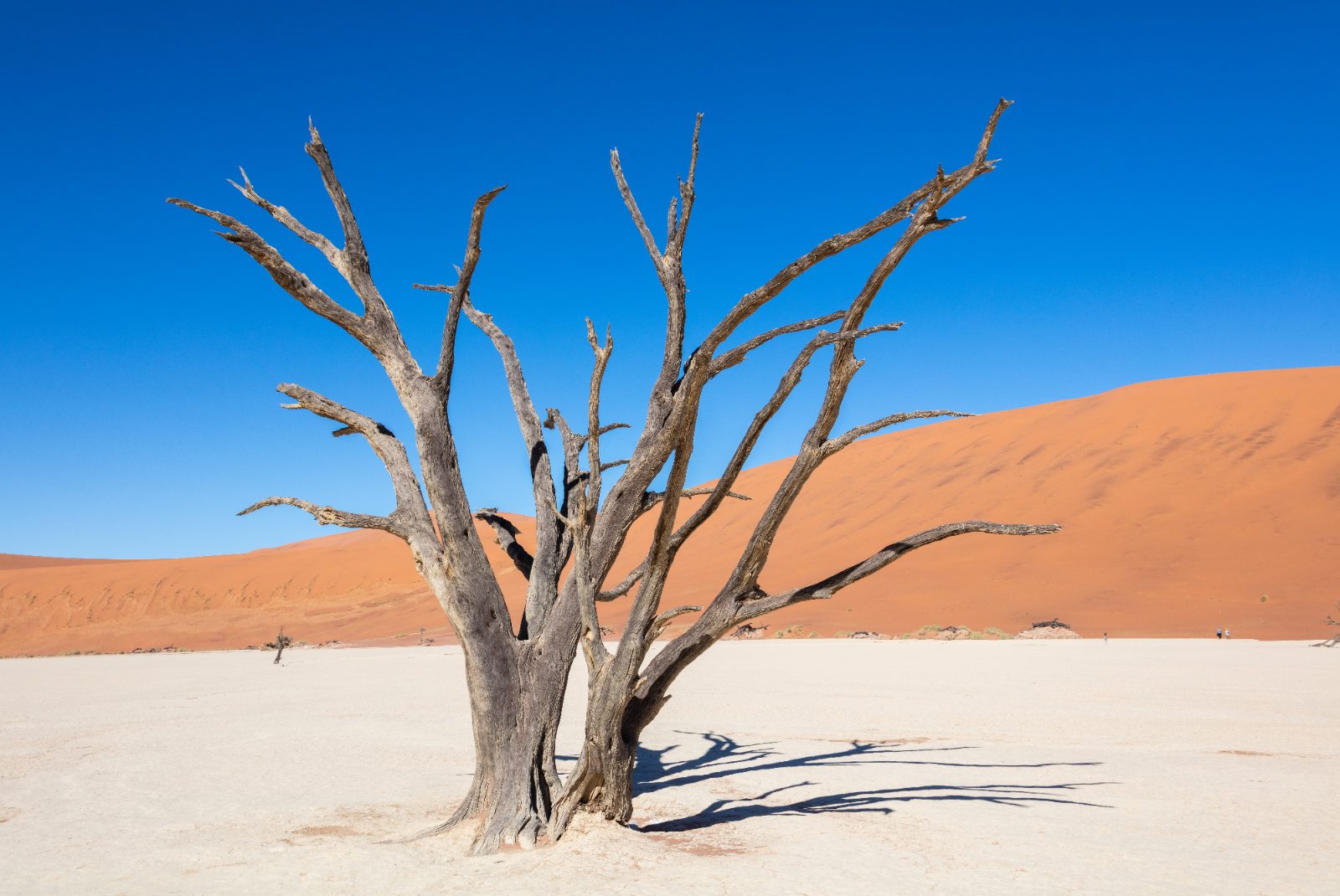
Sossusvlei
Towering red dunes and the surreal dead trees of Deadvlei.
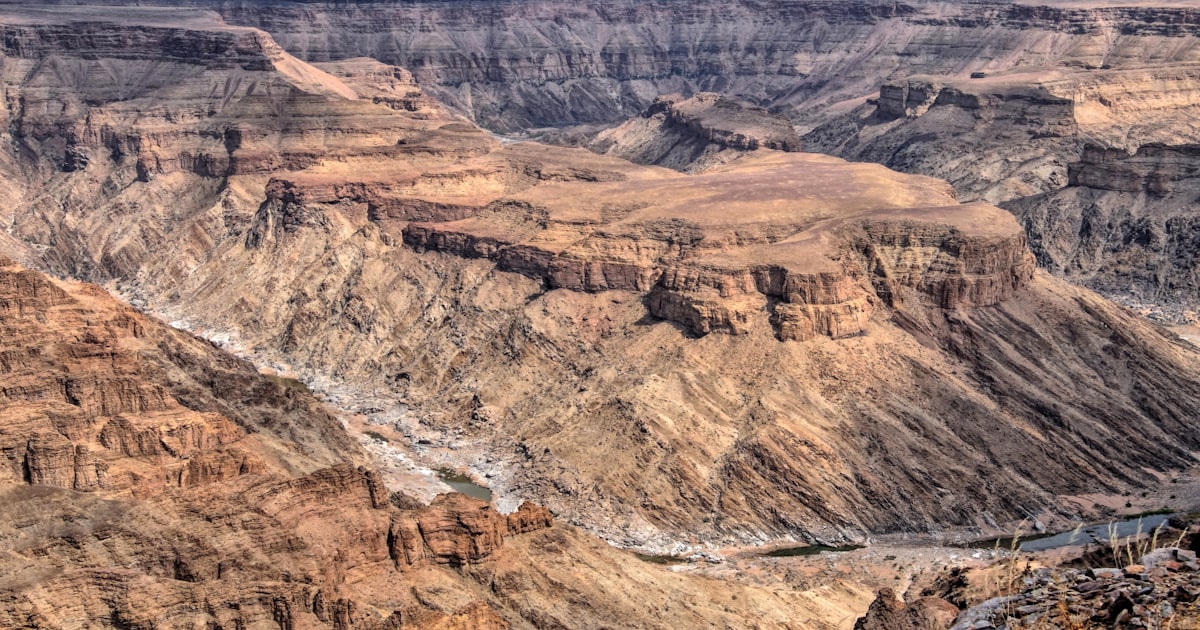
Fish River Canyon
Africa’s largest canyon and a dramatic multi-day hiking route.
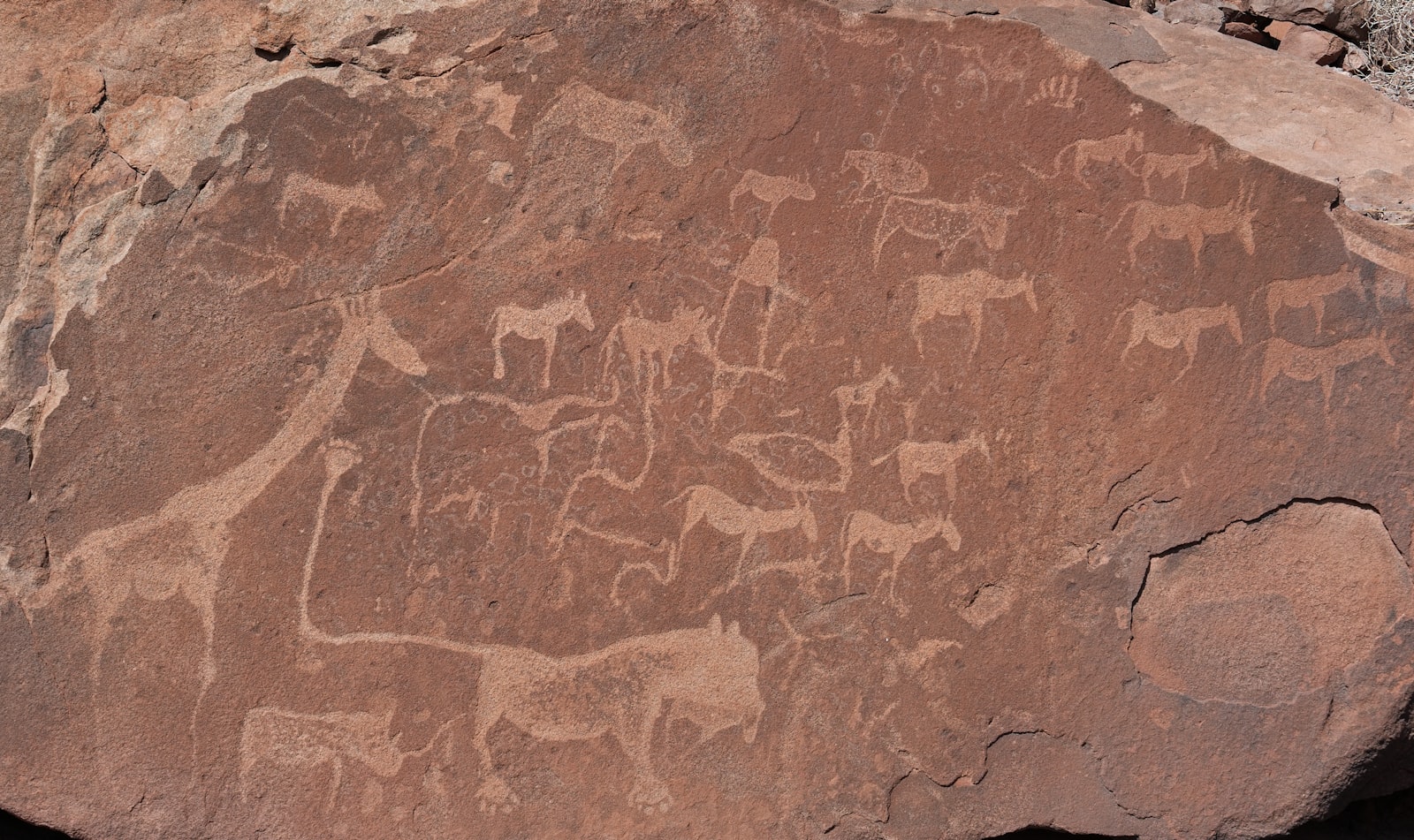
Twyfelfontein
A UNESCO World Heritage Site with thousands of ancient rock engravings.
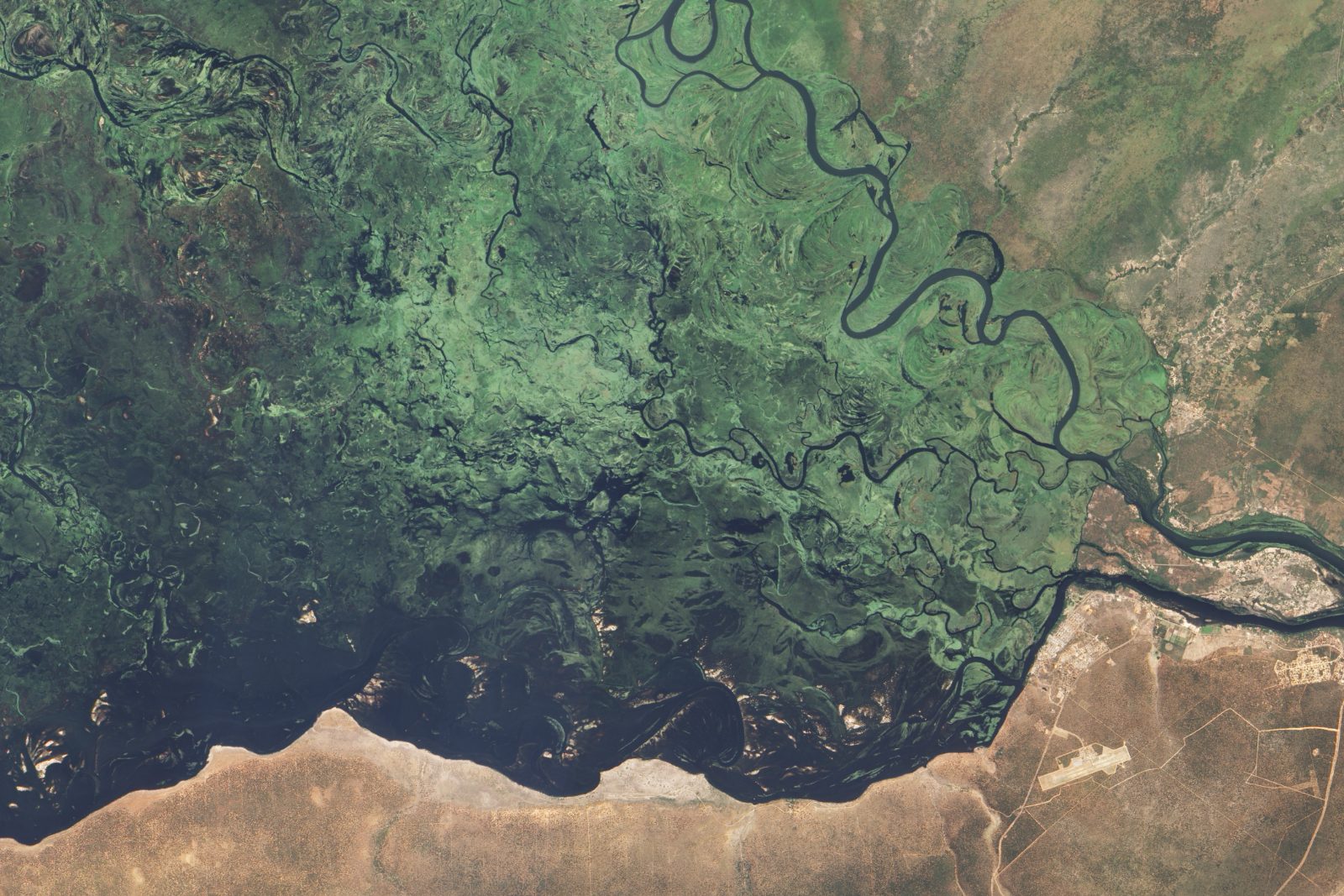
Zambezi Region
Perennial rivers, floodplains and wildlife where four countries meet.
Ready to plan your route?
Once you have an idea of which regions interest you, the practical planning guides below cover vehicle choice, road conditions, suggested itineraries and seasonal timing.
Last reviewed: 26 July 2026.
Finding somewhere to stay
Every region below has its own accommodation listings. To search the whole country by destination or property name, use the finder at the top of any page, or browse the Namibia accommodation hub and the A–Z of accommodation locations.
From where to go, to where to stay
Once you have picked a region above, these four are the bases most trips are built around. Each regional guide carries its own selection; these are the starting points.
Windhoek
Lida Marie Guesthouse, Windhoek
A guesthouse on Sam Nujoma Drive, Windhoek, with an on-site restaurant and barbecue facilities. Check current…
Price Guide: N$750–N$850
View Property DetailsTown Lodge Windhoek, Namibia
Town Lodge Windhoek is a budget-to-midscale hotel in Kleine Kuppe with a pool, restaurant and free parking, close…
Price Guide: N$1,550–N$1,650
View Property DetailsHilton Garden Inn Windhoek
Hilton Garden Inn Windhoek is a branded international hotel in the city's business district, close to museums and…
Price Guide: N$2,100–N$2,200
View Property Details
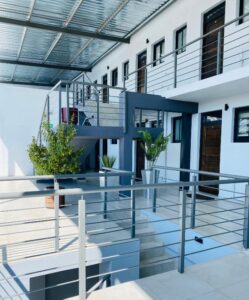

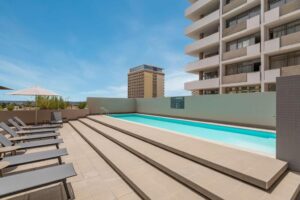
Check Windhoek availabilityBrowse all Windhoek accommodation
Sesriem and Sossusvlei
Sossus Oasis Campsite
Sossus Oasis Campsite sits right at the entrance gate to Namib-Naukluft National Park in Sesriem, making it one of…
Price Guide: N$650–N$720
View Property DetailsDesert Camp
Desert Camp is a self-catering camp on a farm off the D826, about 5 kilometres from Sossusvlei Lodge and the…
Price Guide: N$2,682–N$2,862
View Property DetailsGondwana Namib Desert Lodge
Gondwana Namib Desert Lodge is built against a wall of fossilised dunes north of Sesriem, and that backdrop is the…
Price Guide: N$5,084
View Property Details


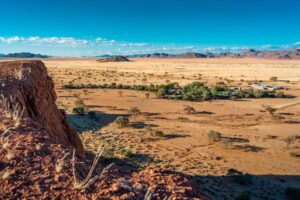
Check Sesriem and Sossusvlei availabilityBrowse all Sesriem and Sossusvlei accommodation
Swakopmund
Sea Wind Self Catering Cottages Swakopmund
Sea Wind Self Catering Cottages Swakopmund is a 5-minute drive from Ocean View Shopping Centre, with Platz am Meer…
Price Guide: N$1,250
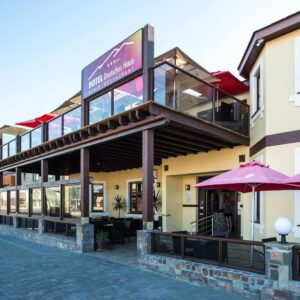
View Property DetailsHotel Deutsches Haus Swakopmund
Hotel Deutsches Haus Swakopmund is a well-established hotel on Luderitz Street in central Swakopmund, built around…
Price Guide: N$2,600–N$2,800
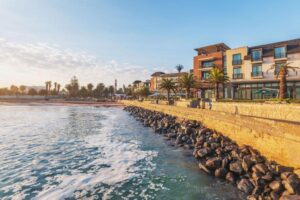
View Property DetailsStrand Hotel Swakopmund
Strand Hotel Swakopmund is a beachfront hotel on the Mole in Swakopmund, Namibia, with sea-facing rooms and several…
Price Guide: N$7,800–N$8,300
View Property Details
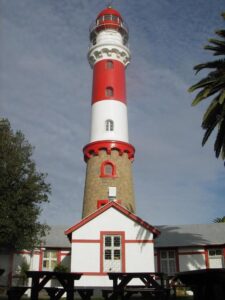
Check Swakopmund availabilityBrowse all Swakopmund accommodation
Etosha
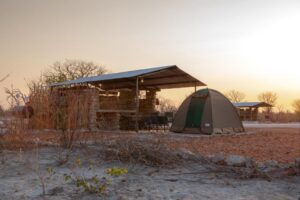
Etosha Trading Post Campsite
Etosha Trading Post Campsite sits on the southern approach to Etosha, within convenient reach of the Andersson…
Price Guide: N$585
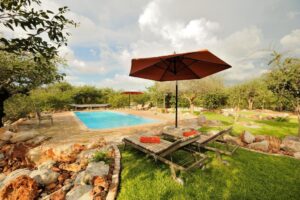
View Property DetailsEtosha Village
Etosha Village is a larger lodge just 1.2 miles from the Andersson entrance gate, built around two pools and set up…
Price Guide: N$4,200–N$4,500
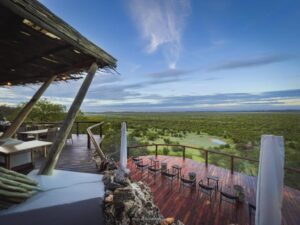
View Property DetailsOngava Lodge
Ongava Lodge sits on the private Ongava reserve on Etosha’s southern boundary, immediately outside the…
Price Guide: N$26,000
View Property Details
Some booking links are affiliate links. We may earn a commission at no extra cost to you. See our affiliate disclosure.
How the regions differ, and how to choose
Namibia is large and its regions are genuinely unlike one another, so the useful question is not which places are best but which kind of country you want to spend your days in. Broadly, the choice falls into five characters. The coast is cool, foggy and wind-blown, built around Swakopmund and Walvis Bay, and it feels nothing like the rest of the country.
The Namib and Sossusvlei are about dunes, light and space, with early starts and long empty drives. Etosha and the central north are the wildlife heartland, where the day is organised around waterholes. The Zambezi and Kavango in the north-east are green, riverine and seasonal — more like southern Africa’s river systems than like Namibia’s interior. And the south is emptier and more geological, built around the Fish River Canyon, the quiver trees and the desert-diamond history around Lüderitz.
Between those sit the regions that most first-time visitors underestimate. Damaraland and Kaokoland are the remote north-west — rock art, desert-adapted wildlife and serious driving. Erongo Inland and Waterberg are the accessible middle ground, useful for breaking long drives without adding difficulty.
A practical rule: two regions is comfortable in a week, three or four in a fortnight, and attempting the whole country in ten days means spending most of it driving. Season matters as much as geography — the north-east and Etosha change character completely between the wet and dry months, while the coast and the Namib barely change at all. Our best time to visit Namibia guide sets out that pattern region by region, and the Namibia itineraries show how these combinations work as real routes.