
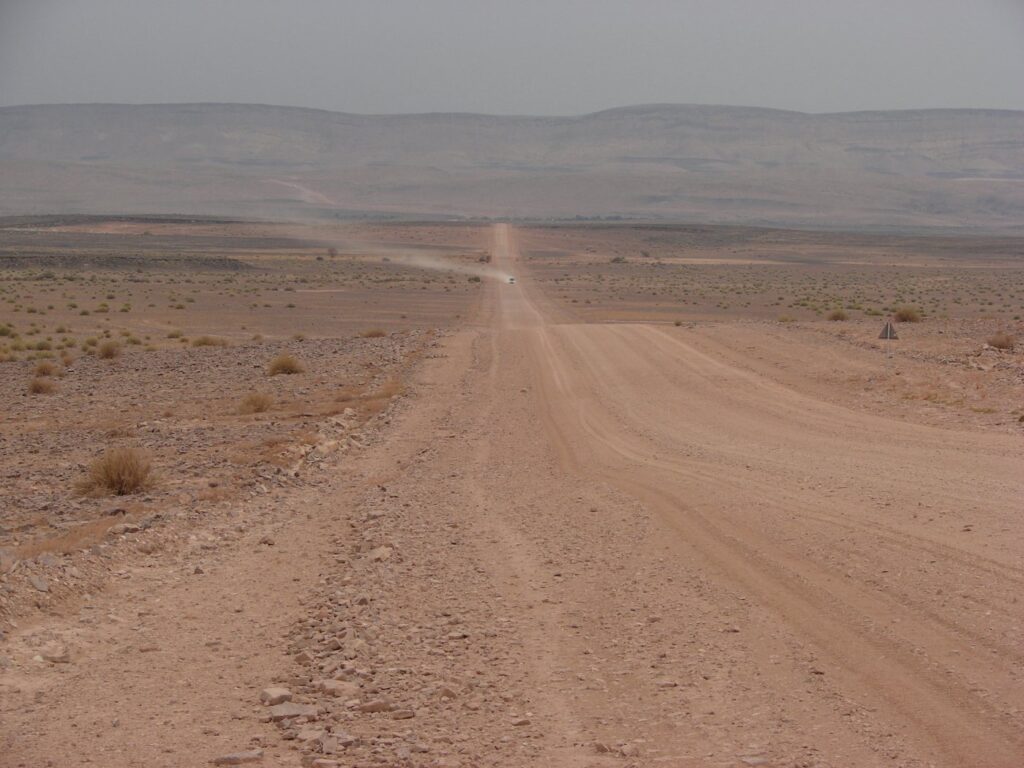
A well-planned Namibia packing list has to cover more ground than a typical safari trip: sharp temperature swings between morning and afternoon, extended self-drive distances between shops, dust, strong sun, and long stretches with no mobile signal. This guide works through what to bring by category, with extra notes for self-drive travellers, families, and green-season trips, and finishes with a copyable master checklist you can adapt to your own itinerary.
Documents and Backups
- Passport with at least six months’ validity remaining, plus a photocopy or photographed backup stored separately from the original
- Printed and digital copies of flight tickets, accommodation bookings and any vehicle rental agreement
- Driving licence, and an International Driving Permit if required for your nationality — check current requirements before departure
- Travel insurance details, including an emergency contact number, kept somewhere accessible without needing signal
- A small stash of local currency and an internationally accepted card, since not all rural fuel stations and lodges accept cards reliably
Layered Clothing for Big Temperature Swings
Namibia’s daily temperature range can be extreme, especially in the dry season, when a cold pre-dawn game drive can be followed by a hot afternoon. Layering is more useful than any single “right” garment.
- A warm jacket or fleece for early mornings and evenings, particularly June to August
- A buff, scarf or light beanie for cold mornings in the desert and central highlands
- Breathable, light-coloured clothing for daytime heat
- At least one long-sleeved layer for sun protection as much as warmth
- Comfortable trousers for dusty drives and thorny vegetation, alongside shorts for warmer stops
- A light rain layer if travelling in the green season (roughly November to April)
Sun, Heat and Cool Mornings
Sun exposure is intense across most of Namibia due to high altitude and low humidity for much of the year. Pack a wide-brimmed hat, sunglasses with strong UV protection, and a high-SPF sunscreen you’re happy to reapply often. Lip balm with SPF is easy to forget and genuinely useful, especially in the dry desert air. Balance this with warm layers for cold mornings, since it is easy to underestimate just how cold pre-sunrise game drives and desert mornings can be, even in a country widely associated with heat.
Footwear
- Comfortable, broken-in walking shoes or light hiking boots for uneven terrain, dune walks and rest-camp paths
- Sandals or similar for camps and warm evenings
- Closed shoes for early morning activities, when the ground can be cold and thorny vegetation is common
Self-Drive Essentials
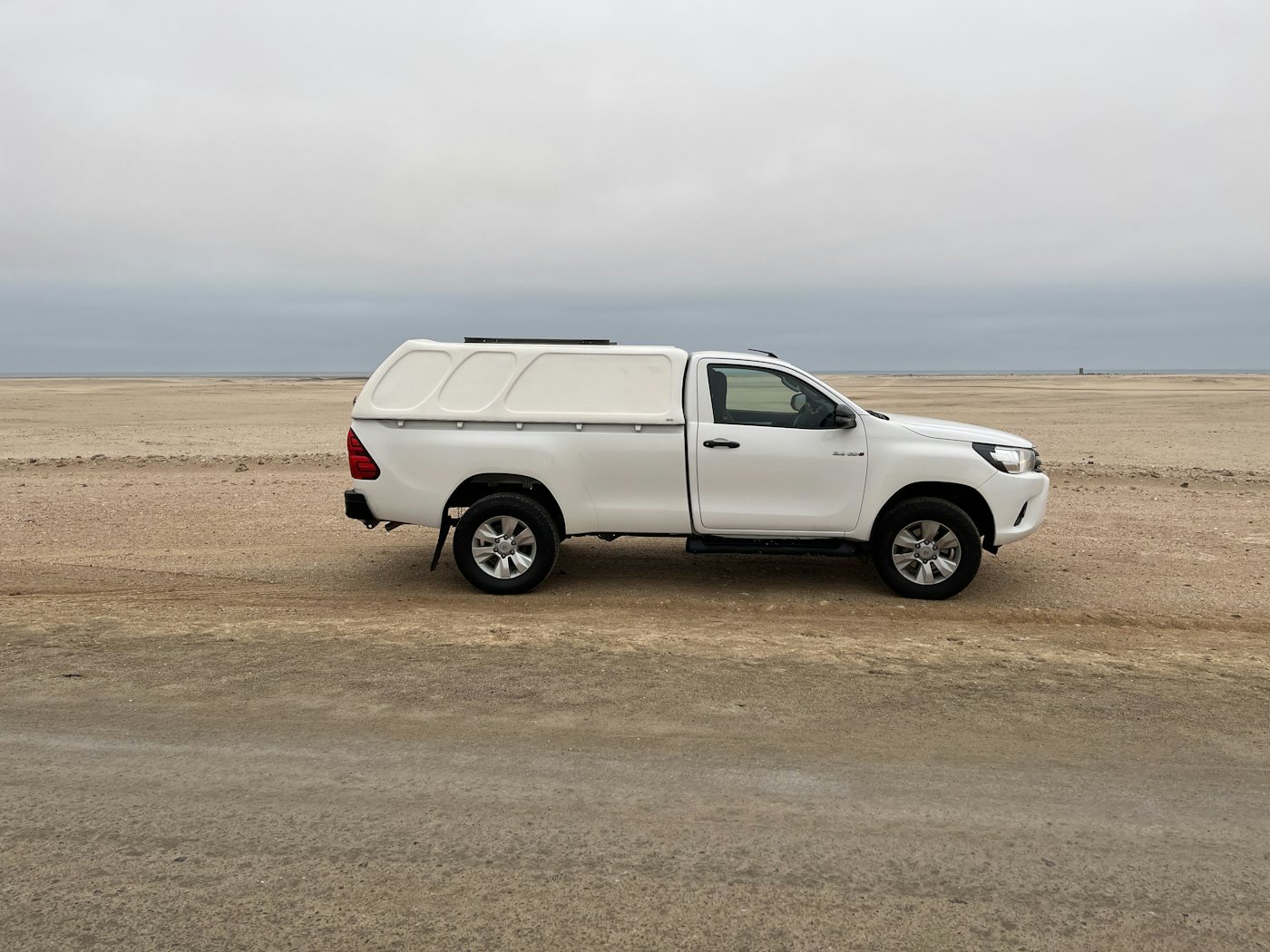
If your trip includes self-driving, a separate set of preparations matters alongside your personal packing list. See our full self-drive planning guide for vehicle and route preparation; the items below are what to physically carry.
- Printed or downloaded offline maps, since mobile data coverage is unreliable or absent across large stretches of gravel road
- A physical tyre-pressure gauge and knowledge of how to check your rental’s spare tyre and jack before setting off
- A basic torch or headlamp per person, useful for both camp evenings and roadside emergencies
- A phone mount and a reliable charging cable for navigation apps used offline
- Cash for fuel in smaller towns, where card facilities cannot always be relied upon
- A first-aid kit appropriate for remote travel, discussed further below
Water and Food on the Road
Carry more water than you think you will need, particularly on gravel routes between towns. A reusable, durable water bottle or two, refillable at lodges and fuel stations, reduces single-use plastic waste and ensures you always have a backup supply. Pack some compact snacks for long driving days, since fuel-station shops in remote areas can be limited or closed outside expected hours.
Navigation and Offline Maps
Download offline map layers for your route before you leave reliable internet access, and keep a basic paper map as a backup. Confirm your rental vehicle’s GPS unit, if provided, is loaded with current Namibian road data, since gravel-road networks can change and unofficial shortcuts are not always reliable.
Vehicle and Tyre Preparation at a High Level
Before setting off each day, get into the habit of a quick visual check: tyre condition and pressure, spare tyre presence and condition, fuel level, and that you have enough water on board for the planned distance. Your rental provider should brief you on vehicle-specific details; treat this list as a personal habit rather than a technical inspection.
Electronics and Charging
- A universal travel adapter suitable for Namibian sockets (type D/M, similar to South Africa)
- A portable power bank for game drives and long travel days away from mains power
- A 12V car charger or adapter, useful for multi-day self-drive stretches
- Spare memory cards for cameras, since buying specialist photography supplies outside larger towns is unreliable
Camera and Dust Protection
Fine dust is a genuine concern for camera equipment on gravel roads and in the Namib. A dry bag, dust-resistant camera bag, or simply resealable plastic bags for lenses and cards can make a real difference. A rocket blower and a microfibre cloth are lightweight additions that help keep front lens elements clean without introducing scratches from wiping away grit.
Personal Medication and General Health Preparation
Bring an adequate supply of any personal prescription medication in its original packaging, along with a basic first-aid kit covering blister care, minor cuts, rehydration salts, and stomach-upset remedies. This guide does not provide medical advice; consult a travel health professional or clinic well before departure regarding vaccinations, malaria prevention for relevant regions, and any personal health conditions.
Safari and Wildlife-Viewing Items
- Binoculars, ideally one pair per person rather than sharing
- Neutral-coloured clothing for game drives, avoiding bright colours or heavy patterns
- A zoom lens if photography is a priority; wildlife is often at a distance around waterholes
- Reusable insulated water bottle to stay hydrated through long game drives
Coastal Fog, Wind and Desert Conditions

If your route includes Swakopmund or the coast, pack a windproof outer layer; sea breezes and fog can make the coast noticeably cooler than the interior at the same time of year. In the Namib and other desert areas, protect electronics and open bags from blown sand during windier periods, and expect a wide day-to-night temperature swing.
Green-Season Additions
Travelling between roughly November and April, add a compact rain jacket, a dry bag for electronics, and stronger insect protection for wetter northern areas such as the Zambezi Region and Kavango. Quick-drying fabrics are more practical than heavy cotton in this season.
Travelling with Children
Families should pack extra sun protection sized for children, entertainment for long driving stretches between destinations, and any specific snacks or comfort items that may not be readily available in remote areas. Confirm car-seat requirements with your vehicle rental provider well in advance, since availability can be limited.
What Not to Pack
- Excessive luggage: many small charter flights within Namibia enforce strict weight and soft-bag requirements — check this in advance if your itinerary includes any fly-in sections
- Bright white or dark black clothing for game drives, which can stand out more than neutral tones
- Heavy, non-breathable fabrics for daytime wear in the dry season
- Valuables you are not prepared to look after personally on long self-drive days
Small Items Frequently Forgotten
- Ziplock or resealable bags, useful for dusty electronics, damp swimwear, and keeping snacks fresh
- A small clothes line or elastic cord, handy for drying swimwear or hand-washed items at camps
- Earplugs, useful for early rest-camp mornings when birdlife and other guests are active before sunrise
- A dry bag or large resealable bag lining the inside of your main luggage, protecting contents from dust ingress on long gravel stretches
- A spare pair of prescription glasses or contact lens supplies, given the distance to opticians outside major towns
- Small denomination local currency notes for informal tipping and small roadside purchases
Copyable Master Packing Checklist
| Category | Key Items |
|---|---|
| Documents | Passport, licence/IDP, insurance, bookings, backup copies, cash and card |
| Clothing | Layers, warm jacket, sun hat, neutral colours, rain layer (green season) |
| Footwear | Walking shoes, sandals, closed shoes for mornings |
| Self-drive | Offline maps, tyre gauge, torch, phone mount, cash for fuel |
| Health | Medication, first-aid kit, sunscreen, insect protection |
| Electronics | Adapter, power bank, car charger, spare memory cards |
| Wildlife viewing | Binoculars, zoom lens, neutral clothing, water bottle |
Luggage Format and Fly-In Restrictions
If any part of your trip involves a light aircraft transfer between lodges, soft-sided duffel bags are usually required instead of hard-shell suitcases, and weight limits are often considerably lower than international flight allowances. Confirm the exact limit with your operator well before departure, and pack a smaller day bag inside your main luggage for game drives and short stops, so you are not carrying your entire bag on every outing.
Toiletries, Dust and Multi-Week Trips
Fine dust finds its way into open bags and pockets on long gravel drives, so packing cubes or resealable bags help keep clothing and toiletries organised and protected. For trips longer than one or two weeks, check in advance whether your accommodation offers laundry service; many lodges do, which can meaningfully reduce how much clothing you need to carry. Pack a small supply of antibacterial hand gel and wet wipes, useful at fuel stops and picnic stops where washroom facilities may be basic.
Binoculars and Optics: Getting the Basics Right
A mid-range pair of binoculars, roughly 8×42 or 10×42, is a practical balance between magnification and stability for most travellers, and is worth prioritising over an expensive but heavy set that is uncomfortable to carry for a full day. If travelling as a couple or family, one pair per person avoids the frustration of passing binoculars back and forth during a brief sighting.
A Note on Packing Light Versus Packing Right
Namibia rewards practical packing over minimalist packing. Self-drive itineraries mean you are rarely far from your own vehicle, so there is less pressure to pack ultra-light than on a trip carried entirely on your back. That said, avoid overpacking clothing you won’t use; a smaller number of versatile, quick-drying layers usually outperforms a large wardrobe, especially if laundry is available partway through your trip.
Frequently Asked Questions
Do I need a jacket in Namibia if it’s known for heat?
Yes. Mornings and evenings can be surprisingly cold, particularly in the dry season and in desert areas, even when afternoons are hot.
What should I pack for a Namibia self-drive specifically?
Beyond personal clothing, prioritise offline maps, a torch, a tyre-pressure gauge, extra water, and cash for fuel in smaller towns. See our self-drive mistakes to avoid for related planning pitfalls.
Is malaria prevention necessary?
This depends on the regions you plan to visit and the time of year; consult a travel health professional for current, personalised advice rather than relying on general guides.
Last reviewed: July 2026.
Related Guides
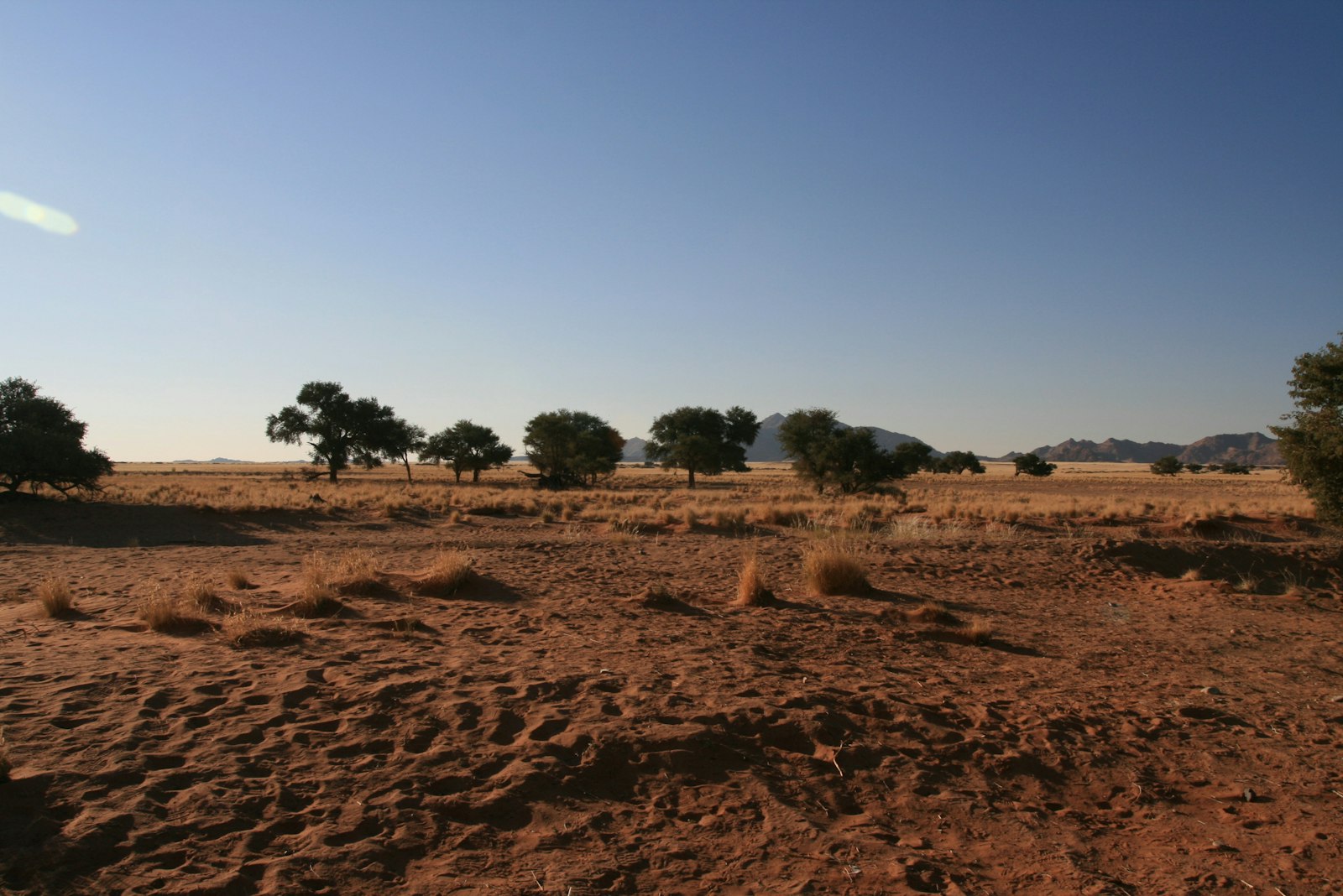
Best Time to Visit Namibia
Plan your packing list around the season you choose.
Self-Drive Mistakes to Avoid
The preparation errors that cause the most avoidable problems.
Self-Drive Namibia
Full route planning and vehicle preparation guidance.
Continue Planning Your Trip
See our guide to the best time to visit Namibia to plan your packing list around the right season, or browse our self-drive planning guide and suggested itineraries for further preparation.
Best Time to Visit Self-Drive Namibia ItinerariesPacking by region
What you actually need varies more by region than most first-time visitors expect. Desert nights around Sossusvlei and the Namib can be near freezing while the same day tops 40°C; the coast is cool, damp and windy year round; and Etosha is dusty in the dry season and humid in the wet. Browse all Namibia destinations to see which combination your route covers.
Worth adding to the list before you leave home: sort out a local SIM or an eSIM, and download offline maps. Our guide to SIM cards and connectivity in Namibia covers which network to buy and where the coverage genuinely ends.