
Namibia Travel Planning
Practical guidance to help you prepare before you go
Home » Travel Planning
This page brings together the practical planning questions that come up before any Namibia trip: when to go, how to arrive, what to budget for, and how to prepare for the climate and distances. For route ideas see Namibia Itineraries, and for vehicle and road detail see Self-Drive Namibia.
Plan by topic
Jump straight to the section most relevant to your planning stage.
Photography, Food & Family
Equipment care, dietary planning, accessibility and travelling with children.
Read more »Responsible Travel & Safety
Responsible-travel principles, emergency preparation and timeline.
Read more »Book your Namibia trip
When you are ready to turn the planning into bookings, these are the four places to start. Accommodation and tours are bookable now; the itineraries and self-drive guide set the shape of the trip first.
Places to stay near Namibia
Town Lodge Windhoek, Namibia
Town Lodge Windhoek is a budget-to-midscale hotel in Kleine Kuppe with a pool, restaurant and free parking, close…
Price Guide: N$1,550–N$1,650
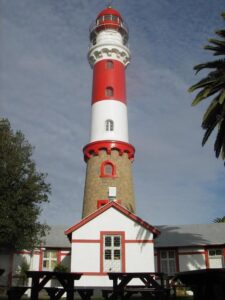
View Property DetailsSea Wind Self Catering Cottages Swakopmund
Sea Wind Self Catering Cottages Swakopmund is a 5-minute drive from Ocean View Shopping Centre, with Platz am Meer…
Price Guide: N$1,250
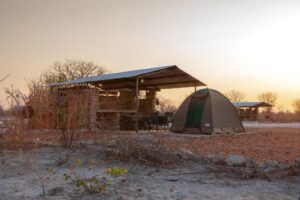
View Property DetailsEtosha Trading Post Campsite
Etosha Trading Post Campsite sits on the southern approach to Etosha, within convenient reach of the Andersson…
Price Guide: N$585
View Property Details

Browse all Namibia accommodation
Tours and activities in Namibia
10 Day Discover Namibia Small Group Safari
A 10-day small-group, guide-led safari from Windhoek through the Namib Desert, the Skeleton Coast, Damaraland and…
View Tour Details10-Day Namibia Highlights Guided Tour from Windhoek
A 10-day shared, driver-guided circuit from Windhoek through Sossusvlei, the Skeleton Coast, Damaraland and Etosha…
View Tour DetailsSossusvlei Budget Camping Safari – 3 Days
Travel overland from Windhoek to Swakopmund on this 3-day Sossusvlei camping safari through the Namib Desert.
View Tour Details

When to visit
Season is the single biggest variable in a Namibian trip, and it changes what you should prioritise rather than simply whether to go. For a month-by-month breakdown, including how the dry and rainy seasons play out differently at Etosha, Sossusvlei and along the Zambezi, see our full guide to the best time to visit Namibia.
Namibia is a year-round destination, but the dry season (roughly May to October) is generally considered the easiest time to travel, with cooler nights, reliable roads and concentrated wildlife viewing around waterholes in Etosha. The wet season (November to April) brings green landscapes, migratory birds and dramatic skies, but also occasional heavy rain, softer gravel roads and hotter, more humid conditions in the north.
Seasons and regional variation
Namibia’s climate varies significantly by region: the coast stays cool and often foggy year-round, the interior plateau has hot days and cold nights, and the north is markedly hotter and wetter in summer than the south. Pack and plan for the specific regions on your route rather than for Namibia as a single climate.
Entry and border planning at a high level
Visa, passport-validity and border requirements change and depend on nationality, so confirm current entry rules directly with an official Namibian government source or your nearest Namibian mission before travel. Do not rely on general travel guides for current visa fees or documentation requirements.
Flights and arrival gateways
Nearly all long-haul arrivals land at Hosea Kutako International Airport east of the capital, which makes Namibia’s main gateway city the practical start and end point of most routes — worth planning deliberately rather than treating as a transit stop.
Most international visitors arrive via Hosea Kutako International Airport near Windhoek, with a smaller number using Walvis Bay’s airport for coastal itineraries. Confirm current airline routes and any connecting-flight requirements when booking, since long-haul options change over time.
Self-drive preparation
Self-driving is the most common way to explore Namibia independently; see Self-Drive Namibia for full guidance on vehicle choice, gravel roads, fuel and safety.

Most independent trips are built around a hire vehicle. Deciding on your route and vehicle early makes the rest of your planning — accommodation, fuel stops and timing — much easier to finalise.
Before fixing overnight stops, sanity-check the legs themselves. The driving distance and time planner gives approximate distances and realistic times for the main routes, and explains why the same distance takes considerably longer on gravel than on tar.
Domestic transport limitations
Beyond self-driving, options include guided tours, domestic flights between a few main airstrips, and limited long-distance buses on main routes. Public transport does not reach most parks or smaller towns, which is why independent travellers usually rely on a hire vehicle or guided transport.
Accommodation-planning context
Accommodation ranges from simple guesthouses to lodges and campsites, and availability tightens considerably in popular areas during the dry-season peak (roughly July to September). Book key stops, particularly inside or near national parks, well ahead for travel in this period.
National parks and conservation areas
Namibia’s parks and communal conservancies typically require an entry permit or fee, and some campsites need advance booking. Confirm current fees, gate hours and booking procedures directly with the relevant park authority or conservancy before travel, since these details change periodically.
Money and payment planning
Card payments are widely accepted in larger towns, lodges and supermarkets, but smaller towns, fuel stations and rural stalls often expect cash. Carry a reasonable amount of local currency for rural travel, and confirm current exchange rates and any card-fee policies with your bank before departure.
Mobile connectivity
Coverage is good in towns and along main routes but drops out extensively in parks, gravel backroads and the north-west. A local SIM card, available in Windhoek and other centres, can help within coverage areas, but should not be relied upon for navigation or emergencies once off the main network.
Health and travel-insurance context
Consult a travel health professional or clinic before departure for current vaccination and malaria-prevention advice for the specific regions you plan to visit, since risk varies by area and season. Comprehensive travel insurance, including cover for medical evacuation and vehicle excess, is strongly advisable given the distances between medical facilities.
Water, sun and heat
Namibia’s dry climate and strong sun make dehydration and sunburn genuine risks even on cooler days. Carry more water than seems necessary, use high-factor sunscreen, and wear a hat and light, breathable, sun-protective clothing, especially in desert regions.
Clothing and packing
Layered clothing works well: light, breathable fabrics for daytime heat, and warm layers for cold desert nights, which can drop close to freezing in winter. Sturdy, comfortable walking shoes, sunglasses and a good hat are useful across almost every itinerary.
Sun, heat and dust affect almost every trip. Packing decisions and daily routines are usually shaped as much by Namibia’s dry climate as by any specific itinerary.
Photography and equipment care
Fine desert dust affects cameras and electronics; keep equipment in sealed bags or cases when not in use, change lenses in sheltered spots, and carry a cleaning cloth. Spare batteries and memory cards are worth packing, since specialist replacements can be hard to find outside larger towns.
Food and dietary planning
Supermarkets in larger towns stock a good range of food, including some imported and specialist items, but choice narrows in smaller settlements and lodges may offer a fixed menu. Travellers with specific dietary needs should confirm options with lodges and camps in advance, particularly for remote stays.
Accessibility considerations
Accessibility varies widely by property and activity; many older buildings, gravel paths and safari vehicles are not well suited to limited mobility. Contact specific lodges, parks and tour operators directly about accessibility before booking if this is a concern.
Travelling with children
Namibia can work well for families with older children who can manage long drives and warm conditions, though some lodges set minimum ages for game drives or certain activities. Check age policies with individual properties, and plan shorter daily driving distances than you would for an adult-only trip.
Responsible travel
Respect wildlife distances, ask before photographing people in communal areas, support local guides and craft sellers, and avoid single-use plastic where possible. See the Responsible Travel section on the homepage for further detail.
Emergency preparation
Save the contact details of your accommodation, vehicle rental company and travel insurer before departure, and share your rough route with someone at home. Formal emergency response can be slow to reach remote areas, so prevention and preparation matter more than in many other destinations.
Planning timeline
As a general guide: book flights and a hire vehicle several months ahead for dry-season travel; confirm accommodation for popular areas at the same time; arrange visas, health advice and insurance closer to departure once requirements are confirmed; and finalise your route and offline maps in the final weeks before travel.
Frequently asked questions
What is the best time of year to visit Namibia?
The dry season (roughly May to October) is generally the easiest for road conditions and wildlife viewing, though the wet season offers greener scenery and fewer visitors.
Do I need a visa for Namibia?
Requirements depend on nationality and change periodically, so confirm current rules with an official Namibian government source or your nearest Namibian mission before travelling.
Is Namibia expensive to visit?
Costs vary widely depending on accommodation style, vehicle choice and season; self-drive and camping-based trips are generally more affordable than fully guided lodge itineraries.
Last reviewed: 23 July 2026.
Related guides: Self-Drive Namibia, Namibia Itineraries, Destinations.
Ready to start planning?
Combine this guidance with our Itineraries and Self-Drive Namibia guides, or browse Guided Namibia Tours if you would rather book a ready-made itinerary, to put together a complete trip plan.
Browse DestinationsLast reviewed: 27 July 2026.
Our Namibia travel blog covers the planning questions that come up repeatedly — when to go, what to pack, what catches self-drivers out, and how the major sights compare.
Budgeting the trip? How much does a Namibia trip cost sets out the decisions that actually drive the total, without quoting prices that date within a season.
Also worth reading before you go: is Namibia safe — a practical safety guide and fuel planning in Namibia.
Two practical guides worth reading before you go: money in Namibia, which covers cards, ATMs and why to carry cash for fuel, and SIM cards and connectivity, which sets out where in the country you will simply have no signal.