

Working out the best time to visit Namibia depends on your priorities, since no single calendar month suits every visitor. The right time to travel depends on whether you prioritise dry-season wildlife viewing in Etosha, comfortable temperatures for desert walking near Sossusvlei, calmer coastal weather at Swakopmund, or lush green scenery in the Zambezi Region.
In broad terms, the dry winter months (roughly May to October) offer the most reliable wildlife viewing and driving conditions, while the summer wet season (roughly November to April) brings dramatic skies, migratory birds and a quieter, greener landscape at the cost of some heat and occasional road disruption. This guide breaks the decision down by region and traveller priority so you can match the season to your own trip rather than following a single generic recommendation.
There Is No Universal Best Time to Visit Namibia
Namibia is a large, climatically varied country. A month that is ideal for wildlife viewing in Etosha may be uncomfortably hot for hiking in the south, and a month that suits photographers chasing dramatic storm clouds over the Namib may bring temporary road disruption further north. Rather than looking for one ideal month, it is more useful to identify your main priority – wildlife, landscape photography, hiking, birding, or simply comfortable temperatures – and then match that priority to the seasonal pattern described below.
It is also worth noting that Namibia does not guarantee wildlife sightings, road conditions, or weather in any given month. Seasonal patterns described here reflect long-term, well-established climate norms rather than a promise for any specific trip.
Namibia’s Two Broad Seasons
Namibia’s climate is generally described in terms of two broad seasons rather than four. The dry season runs approximately from May to October, coinciding with the Southern Hemisphere winter and early spring. The wet, or “green”, season runs approximately from November to April, coinciding with summer. These are broad patterns rather than fixed boundaries: the transition months of April/May and October/November can behave like either season depending on the year.
Dry Season (May to October)
During the dry season, rainfall is rare across most of the country, vegetation thins out, and surface water becomes scarce away from rivers and man-made waterholes. Days are typically sunny with low humidity, though nights and early mornings can be cold, particularly in June and July across central and southern Namibia and in the Namib Desert. Skies are generally clear, and dust levels on gravel roads tend to be lower than in the build-up to the rains.
Green Season (November to April)
The green season brings Namibia’s main rainfall, though even in the wettest months rain typically arrives as short, heavy afternoon showers or thunderstorms rather than continuous all-day rain. Temperatures are warmer, sometimes markedly hot in the interior and north, and humidity rises, especially in the Zambezi Region and Kavango. The landscape responds quickly to rain: dry grassland turns green within days, ephemeral pans can hold water, and migratory birds arrive from Europe, North Africa and elsewhere. This is generally the quieter season for tourism.
Dry Season Benefits and Limitations
- Benefits: wildlife concentrates around permanent and pumped waterholes, making sightings more predictable; gravel roads are generally firmer and less affected by washouts; skies are usually clear for long-distance driving and photography; lower humidity makes daytime heat easier to manage in many areas.
- Limitations: landscapes are drier and less green in photographs; dust can build up on well-used gravel routes by the late dry season (September–October); night and early-morning temperatures can be cold enough to require warm layers, especially in the desert and central highlands; this is also the period of highest demand for accommodation in popular areas such as Etosha and Sossusvlei, so availability can tighten well in advance.
Green Season Benefits and Limitations
- Benefits: dramatic cloud formations and lightning displays for photography; migratory birdlife adds variety, particularly in wetland areas of the Zambezi Region and Etosha’s eastern pans; landscapes turn green, which can be a striking contrast to the more familiar dry-season images of Namibia; fewer visitors at many destinations and generally more available accommodation.
- Limitations: wildlife disperses away from waterholes as natural water becomes more widely available, which can make sightings less concentrated and predictable; some low-lying gravel roads and river crossings can be temporarily affected after heavy rain; heat and humidity are higher, particularly in the north; a small number of remote camps in flood-prone areas may adjust access seasonally.
Regional Temperature and Rainfall Patterns
Namibia’s regions differ considerably in climate. The table below offers a general, non-exhaustive comparison to help with planning; always check closer to travel for more specific conditions.
| Region | Dry Season Character | Green Season Character |
|---|---|---|
| Etosha & Central-North | Cool clear mornings, warm days, dust builds late season | Warm, afternoon storms, greener pans, dispersed wildlife |
| Namib Desert & Sossusvlei | Cold nights, hot clear days, very low humidity | Hot days, occasional storms, dramatic skies |
| Coast (Swakopmund/Walvis Bay) | Frequent fog, mild temperatures year-round | Fog persists, slightly warmer, less wind at times |
| Zambezi Region & Kavango | Warm, dry, good river-based wildlife viewing | Hot, humid, highest rainfall, lush vegetation |
| Southern Namibia & Fish River area | Cold nights, very hot days possible even in winter | Hot, drier than the north, occasional storms |
Etosha National Park: Wildlife-Viewing Context
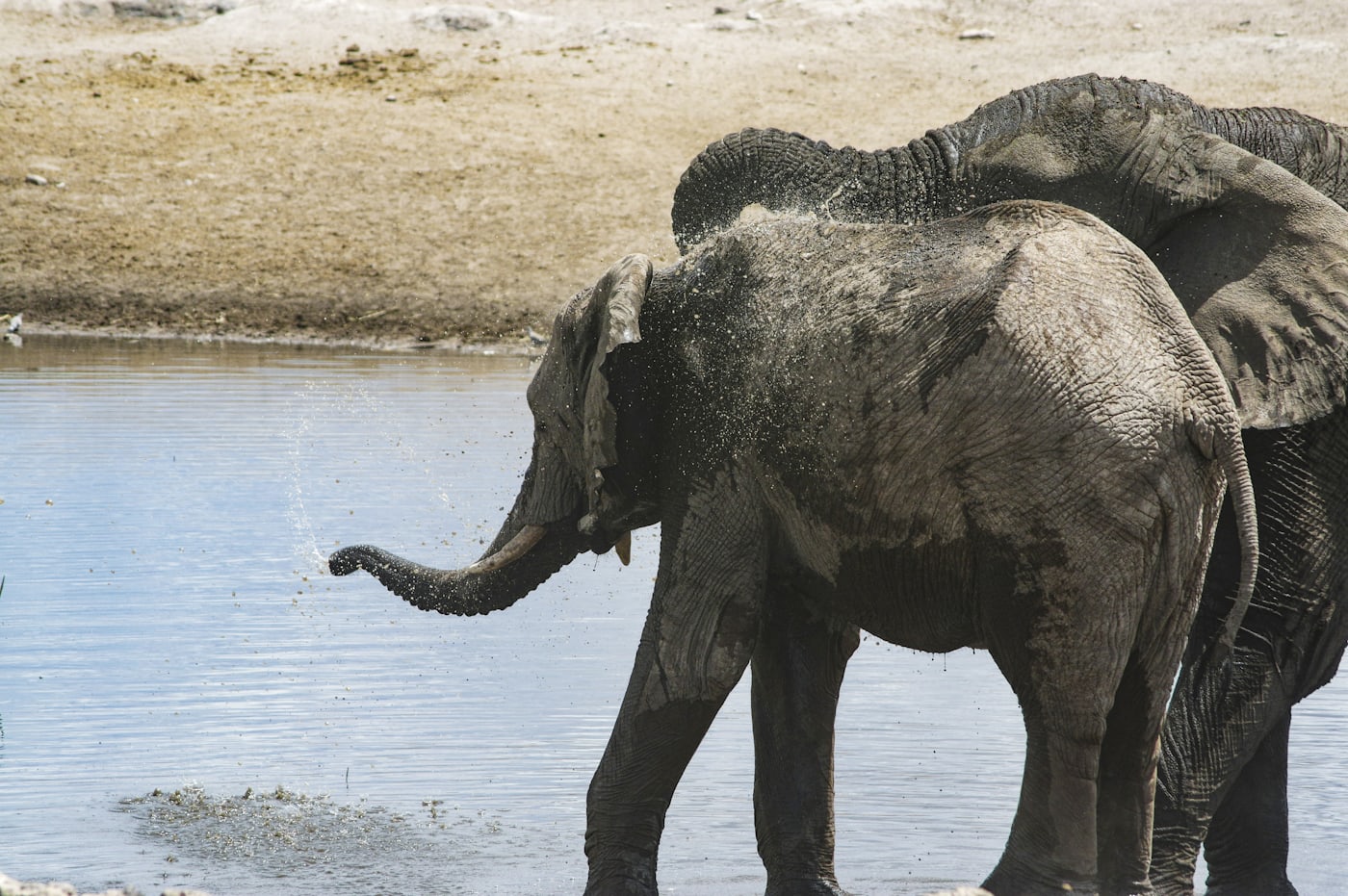
Etosha is one of the main reasons travellers plan around the dry season. As natural water sources shrink, animals rely more heavily on the park’s pumped and natural waterholes, which concentrates wildlife and makes sightings more predictable, particularly from July through October. The trade-off is a drier, dustier landscape and higher demand for rest-camp accommodation.
In the green season, animals disperse across a much larger area as temporary pans fill with rainwater, which can make game viewing less concentrated but rewards patient visitors with young animals, migratory birds and a completely different, greener character to the park. For a deeper look at planning a waterhole-focused visit, see our dedicated Etosha waterholes guide, and for full park logistics see the Etosha National Park destination guide.
Sossusvlei and the Namib Desert
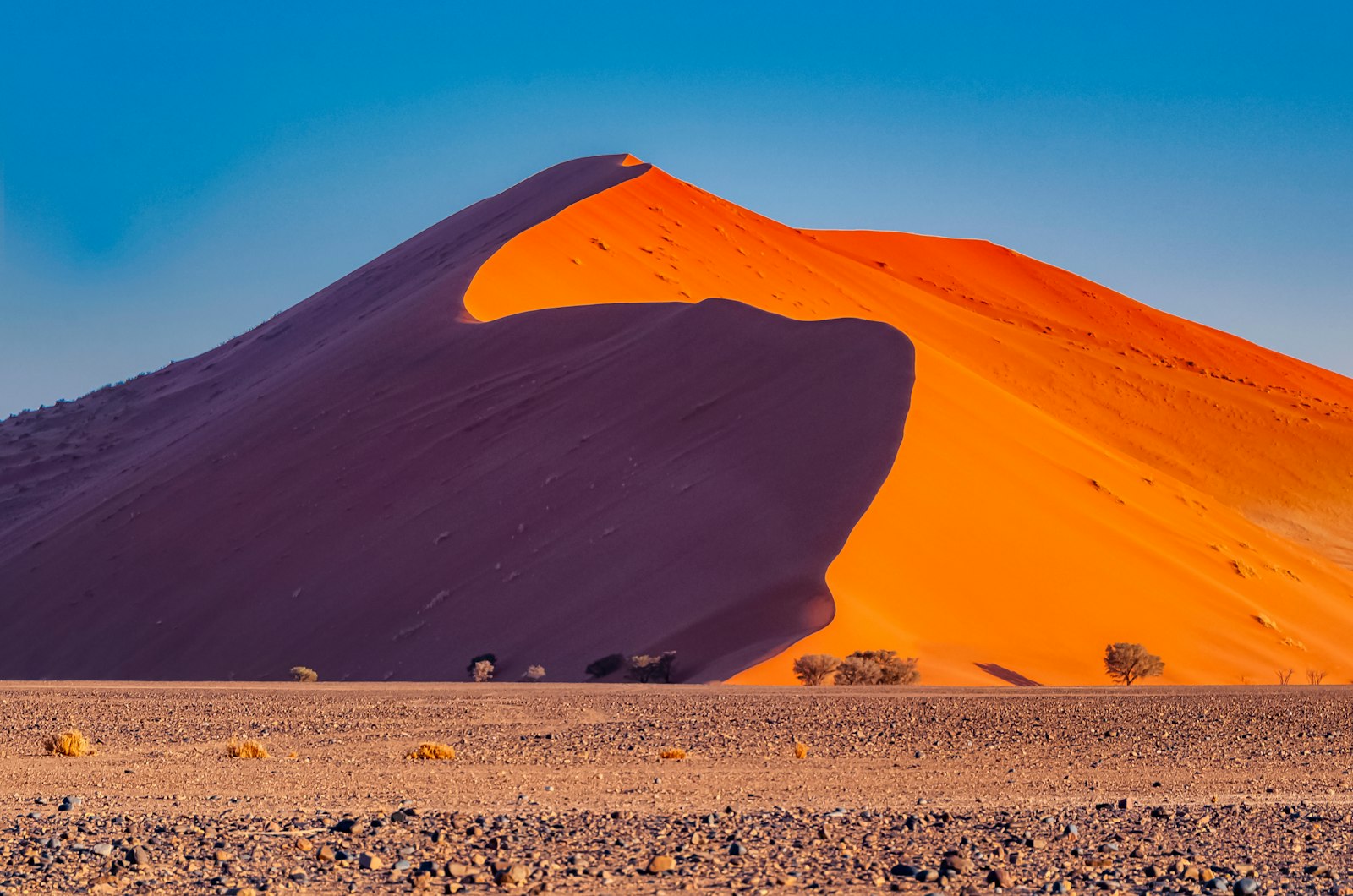
The Namib’s iconic dunes and clay pans can be visited year-round, but comfort levels vary considerably by season. Winter mornings (June–August) are cold, sometimes near freezing before sunrise, but days warm quickly and remain comparatively mild for walking among the dunes. Summer months bring intense heat, particularly from late morning onward, which makes early starts essential for activities such as the walk to Deadvlei. Rain is rare here in any season, but summer storms can occasionally affect the gravel approach roads. See our comparison of Sossusvlei and Deadvlei for more on planning a visit to this area.
The Coast and Fog Belt

Namibia’s Atlantic coast, including Swakopmund and Walvis Bay, behaves quite differently from the interior. A cold ocean current keeps coastal temperatures mild and fairly stable throughout the year, and morning fog is a defining feature in most months, often burning off by midday. This makes the coast a useful year-round destination and a natural counterpoint to the heat of the interior in summer, though travellers hoping for consistently sunny beach weather should be aware that fog and overcast mornings are common rather than exceptional.
Zambezi Region and the North-East
The Zambezi Region (formerly the Caprivi Strip) is Namibia’s most tropical and well-watered area, with rivers, floodplains and denser vegetation than the rest of the country. The dry season is the easier time to visit for road access and river-based wildlife viewing, as animals concentrate along permanent rivers. The green season brings the heaviest rain and humidity in the country, and some low-lying roads and floodplain areas can be temporarily affected; this is worth checking specifically if travelling in this region between January and April.
Southern Namibia
Southern Namibia, including the Fish River Canyon area, tends to be hot and dry for much of the year, with the extremes of both heat and cold more pronounced than in central regions. Winter nights can be very cold, while summer days can be intensely hot, which is an important consideration for anyone planning to hike the Fish River Canyon, an activity generally undertaken only in the cooler months due to heat risk.
Photography Considerations
Photographers often have different seasonal priorities from other travellers. Dry-season light is generally clear and dust can add attractive golden tones at sunrise and sunset, particularly in the Namib. Green-season photographers are often drawn to dramatic cloud formations, occasional lightning, and the contrast between green landscapes and red sand or dark basalt. Neither season is objectively better for photography; the choice depends on the mood and subject matter you are after.
Road Planning Across Seasons
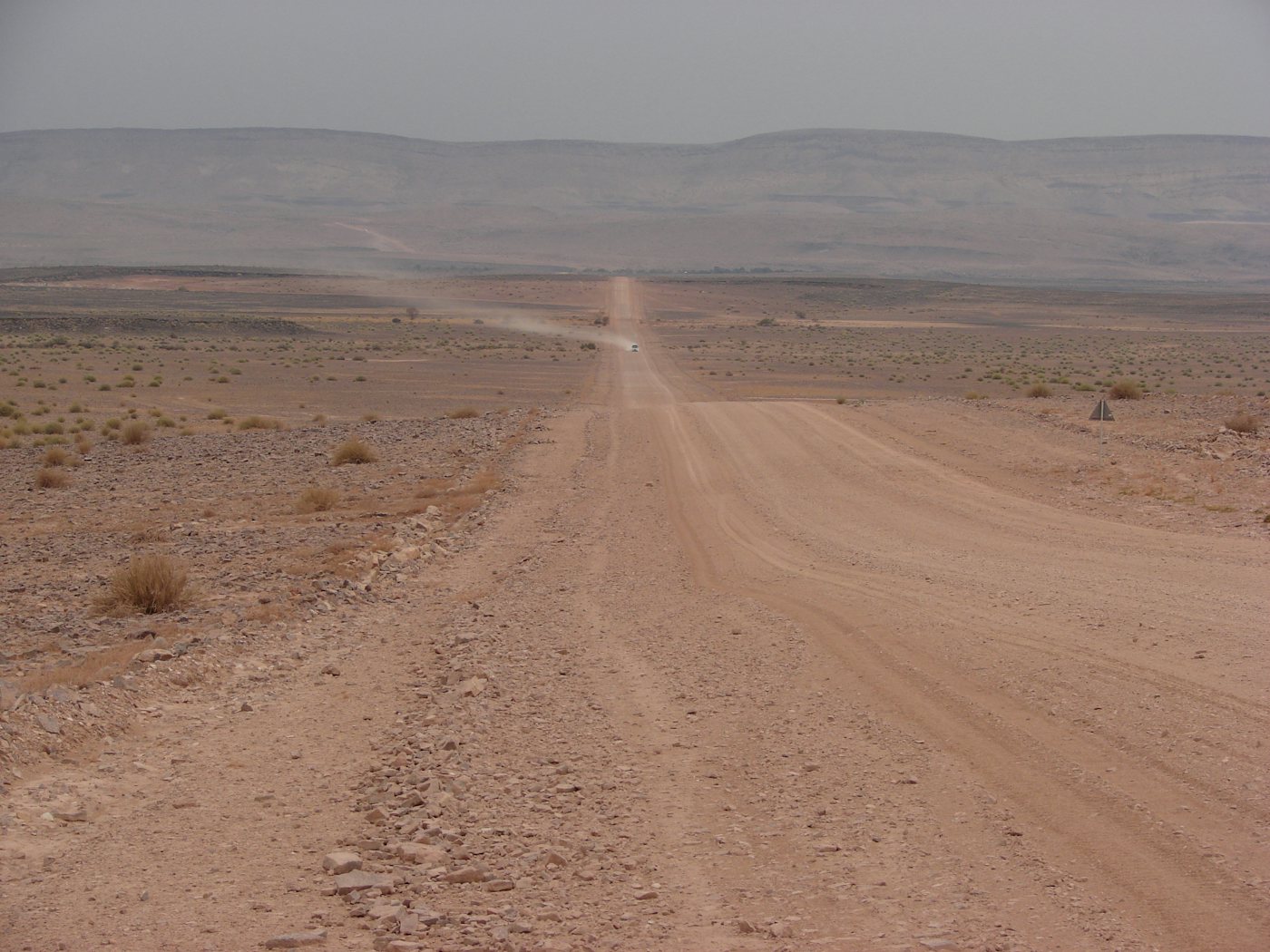
Most of Namibia’s gravel road network is passable year-round in normal conditions, but seasonal awareness still matters. In the late dry season, expect firm but sometimes corrugated and dusty gravel surfaces. In the wet season, sudden storms can cause temporary washouts, standing water, or slippery clay sections, particularly in the north and in low-lying river crossings. Build extra flexibility into wet-season itineraries and check locally for any route-specific concerns before setting out. For general preparation guidance, see our self-drive planning guide and our dedicated article on self-drive mistakes to avoid.
Demand and Availability Without Guesswork on Price
The dry season, particularly from July to September, is widely understood to be Namibia’s busiest tourism period, driven mainly by favourable wildlife viewing and school-holiday travel from several source markets. This guide does not quote specific prices, since these change frequently and vary by operator, but it is reasonable to expect that accommodation in popular areas books up earlier and can be harder to secure at short notice during these months. The green season, particularly February to April, tends to be quieter, which can suit travellers who prioritise availability and a less crowded experience over peak wildlife concentration.
Month-by-Month Planning Overview
| Months | General Character | Good For |
|---|---|---|
| January–March | Hot, main rains, greenest landscapes | Birding, dramatic skies, fewer visitors |
| April–May | Transitional, rains tapering off, cooling | Green scenery with improving access |
| June–August | Cold nights, dry, clear days, dusty by August | Wildlife concentration, comfortable daytime hiking |
| September–October | Hot, driest, dustiest, peak wildlife concentration | Etosha waterhole viewing, warmer desert evenings |
| November–December | Building heat and early rains | Transitional light, fewer crowds, early green season |
Recommendations by Traveller Type
- First-time wildlife-focused visitors: the dry season, especially July–October, generally offers the most predictable Etosha wildlife viewing.
- Photographers seeking dramatic skies: consider the shoulder and early green-season months (November–January).
- Budget-conscious or flexible travellers: the quieter green-season months (February–April) often bring better availability.
- Birders: the green season brings migratory species and is often preferred for this reason alone.
- Hikers planning routes such as Fish River Canyon: cooler dry-season months are generally more suitable due to heat risk in summer.
- Families: the dry season’s more predictable weather and wildlife viewing can simplify planning, though this should be balanced against higher demand for family-friendly accommodation.
Once you have settled on a season, the next decision is how much ground to cover. A shorter trip concentrates on the classic corridor and is less exposed to seasonal road conditions — see the 7-day itinerary or the 10-day itinerary. Longer routes reach the north-east and the far north-west, where the green season has much more influence on access; the 14-day and 21-day itineraries show what that involves. Our self-drive guide covers the vehicle and road-condition side of the same decision.
Responsible Wildlife Viewing in Any Season
Whichever season you travel in, responsible viewing practices matter more than timing. Keep a respectful distance from animals, avoid pressuring guides or drivers to approach too closely, remain patient at waterholes rather than moving on quickly, and follow park and reserve rules on routes, speed and noise. No season or guide can guarantee sightings, and treating wildlife encounters as a privilege rather than an entitlement tends to produce a better experience overall.
Booking around the season
The dry-season months this article recommends are also the months that sell out first, particularly on the Etosha gate roads and at Sesriem. These three carry current price guides; check live availability before you fix dates.
Places to stay near Namibia
Etosha Trading Post Campsite
Etosha Trading Post Campsite sits on the southern approach to Etosha, within convenient reach of the Andersson…
Price Guide: N$585
View Property DetailsDesert Camp
Desert Camp is a self-catering camp on a farm off the D826, about 5 kilometres from Sossusvlei Lodge and the…
Price Guide: N$2,682–N$2,862
View Property DetailsSea Wind Self Catering Cottages Swakopmund
Sea Wind Self Catering Cottages Swakopmund is a 5-minute drive from Ocean View Shopping Centre, with Platz am Meer…
Price Guide: N$1,250
View Property Details

Packing for Your Chosen Season
Whichever season you choose, Namibia rewards layered clothing. Dry-season mornings can be cold enough for a warm jacket and hat, even in the desert, while afternoons often call for light, breathable clothing and sun protection. Green-season travel favours quick-drying fabrics, a reliable rain layer, and stronger insect precautions in wetter northern areas. For a complete packing breakdown by activity and region, see our dedicated Namibia packing list.
Shoulder-Season Strategy
Travellers who want a middle ground between dry-season wildlife concentration and green-season quiet often look to the shoulder months of April/May and November. These periods can offer a reasonable balance: landscapes are still relatively green or just beginning to dry out, temperatures are moderating, and demand for accommodation is generally lower than in the July–October peak. Conditions in shoulder months are less predictable than in the heart of either season, so building some flexibility into your itinerary is worthwhile.
Frequently Asked Questions
What is the single best month to visit Namibia?
There isn’t one universally best month. September and October tend to offer the most concentrated wildlife viewing in Etosha, while February to April offers greener scenery and fewer visitors. Your priorities should guide the choice.
Is it very hot in Namibia?
Daytime temperatures can be hot for much of the year, particularly in the interior and south, but low humidity in the dry season and cold nights year-round mean conditions vary considerably by time of day and region rather than being uniformly hot.
When does it rain in Namibia?
Most rain falls between roughly November and April, typically as short, heavy afternoon storms rather than sustained all-day rain, with the heaviest totals generally in the north and north-east.
Can I self-drive in the green season?
Yes, though it requires more flexibility. Some low-lying roads and river crossings can be temporarily affected after heavy rain, so build buffer time into your itinerary and check local conditions before remote routes.
Last reviewed: July 2026. Seasonal patterns described in this guide reflect long-established Namibian climate norms; always check closer to your travel dates for current conditions, as no season can guarantee specific weather or wildlife sightings.
Related Guides
Namibia Packing List
What to bring for the season you choose, from layers to driving essentials.
Self-Drive Mistakes to Avoid
Season-specific driving risks and how to plan around them.
Etosha Waterholes Guide
How dry-season timing shapes your best chances of sightings.
Continue Planning Your Trip
Explore our full travel planning guide, browse suggested itineraries, or start with our self-drive planning guide to build a season-appropriate route.
Travel Planning Guide Itineraries Self-Drive NamibiaSeasons by region
Season affects some regions far more than others. Etosha concentrates game at waterholes in the dry months; the Zambezi and Kavango swing between flood and drought; Sossusvlei is about heat and light rather than rain; and the coast follows its own fog-driven pattern. See all Namibia destinations, or plan a route with our Namibia itineraries.