
Namibia colonial history rewards a plan built around distance, weather and the limits of the day. The practical choice is rarely the one that fits the greatest number of stops on a map; it is the one that leaves enough time to arrive safely, understand the place and respond when conditions change.
This guide turns Namibia colonial history into a workable sequence. It focuses on access, timing, comfort and responsible decisions, with details that should be checked against current official advice shortly before travel.
In this guide
Namibia colonial history: a practical overview
A strong Namibia colonial history plan separates fixed limits—official access, daylight, fuel, weather and personal ability—from preferences that can change. Confirm the fixed limits first, then add accommodation and activities without relying on maximum driving speeds or guaranteed wildlife and weather.
Begin with more than buildings
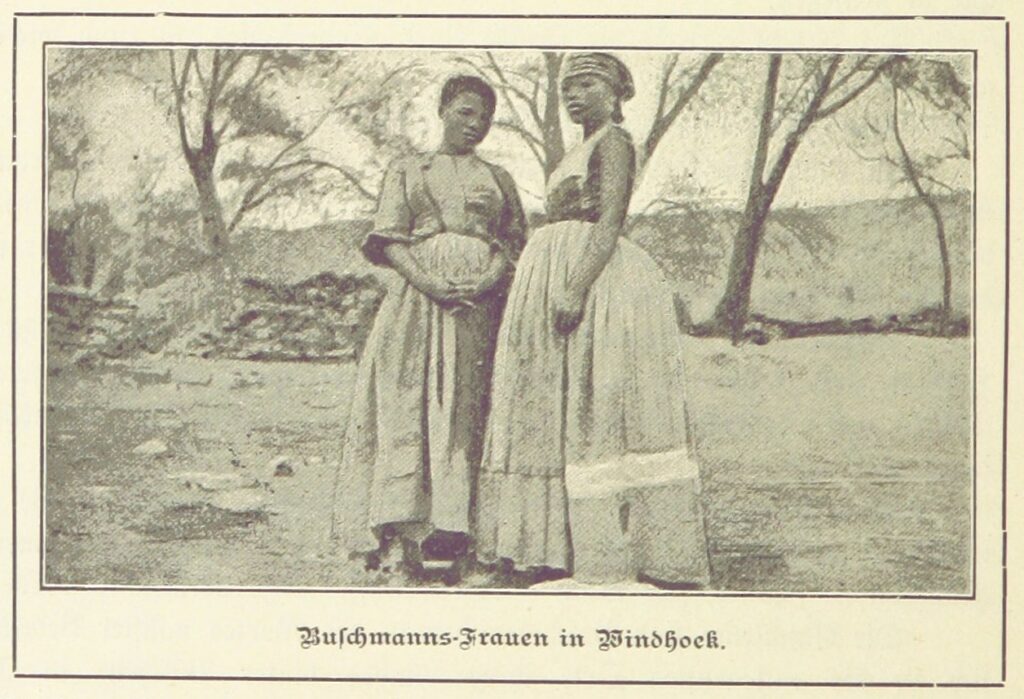
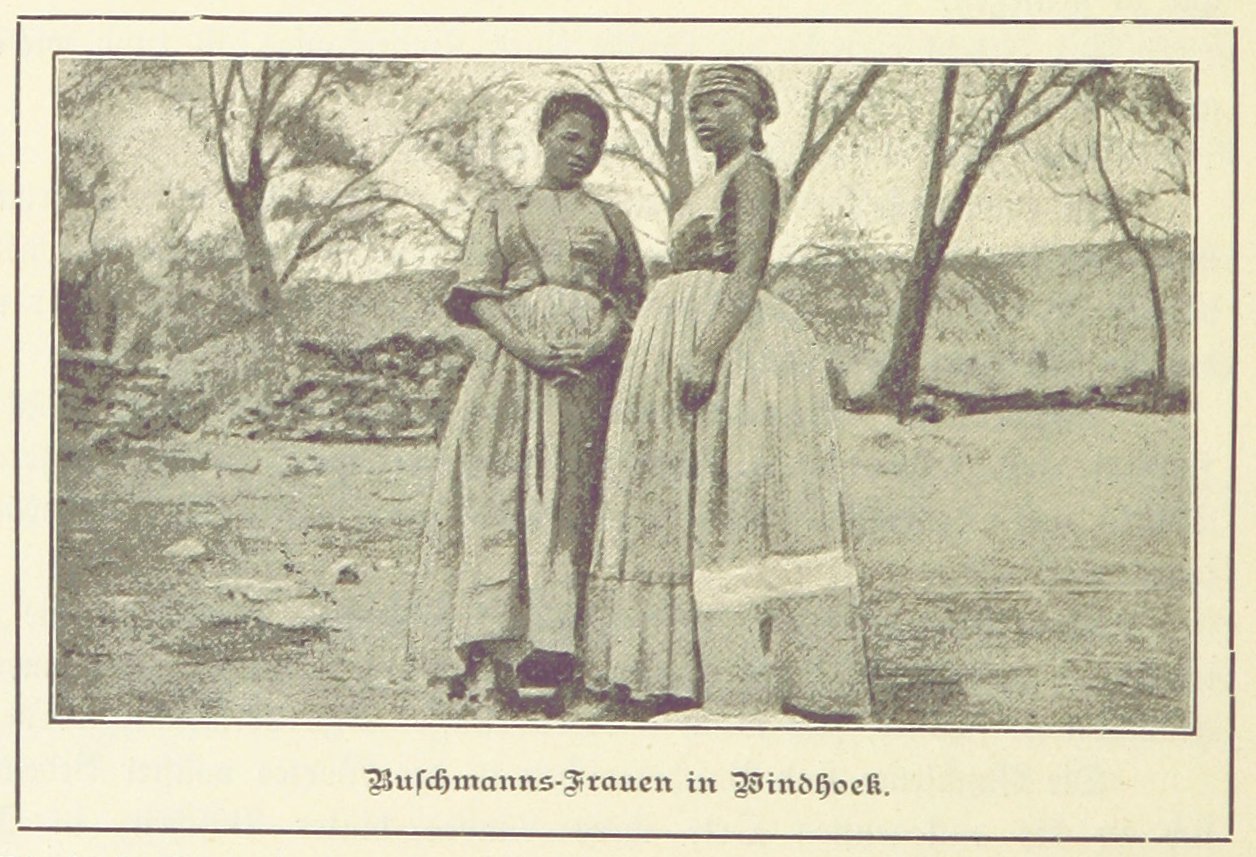
Namibia colonial history includes German rule, South African administration, dispossession, forced labour, racial rule, resistance and the genocide of Ovaherero and Nama people. Attractive architecture cannot be separated from those histories.
Use this part of Namibia colonial history as a decision point rather than a promise. Ask the accommodation, guide, rental company or site authority what applies to the exact date, and keep enough margin to change course without creating a second problem.
Use museums and documented local voices
Read current exhibitions, heritage organisations and scholarship before repeating a guidebook anecdote. A responsible Namibia colonial history visit privileges evidence and the perspectives of communities affected by colonial violence.
Use this part of Namibia colonial history as a decision point rather than a promise. Ask the accommodation, guide, rental company or site authority what applies to the exact date, and keep enough margin to change course without creating a second problem.
Choose precise language
Avoid describing colonial periods as simply romantic, pioneering or orderly. In discussing Namibia colonial history, name systems and events directly, while recognising that interpretations and commemorations remain contested.
Use this part of Namibia colonial history as a decision point rather than a promise. Ask the accommodation, guide, rental company or site authority what applies to the exact date, and keep enough margin to change course without creating a second problem.
Treat memorials as arguments
Statues, cemeteries and renamed streets show what different authorities chose to remember. During a Namibia colonial history visit, ask who is centred, who is absent and how interpretation has changed since independence.
Use this part of Namibia colonial history as a decision point rather than a promise. Ask the accommodation, guide, rental company or site authority what applies to the exact date, and keep enough margin to change course without creating a second problem.
Photograph people and sensitive places carefully
Ask before photographing individuals, ceremonies or community sites. A Namibia colonial history post should not use human suffering as a dramatic backdrop or reduce living communities to illustrations of the past.
Use this part of Namibia colonial history as a decision point rather than a promise. Ask the accommodation, guide, rental company or site authority what applies to the exact date, and keep enough margin to change course without creating a second problem.
Connect the plan to the right local service
Compare the route, stay or guided experience by practical fit and current access, not by a generic ranking.
Final checks before you travel
- Visit recognised museums and heritage centres.
- Read survivor- and community-centred interpretation.
- Use precise terms for violence and dispossession.
- Ask consent before photographing people.
- Avoid nostalgic captions that erase harm.
Read the current official or primary guidance and use our related Namibia planning guide for the wider route. Good Namibia colonial history planning is specific about uncertainty: access, weather, wildlife and road conditions can change, so the final decision belongs close to the travel date.