

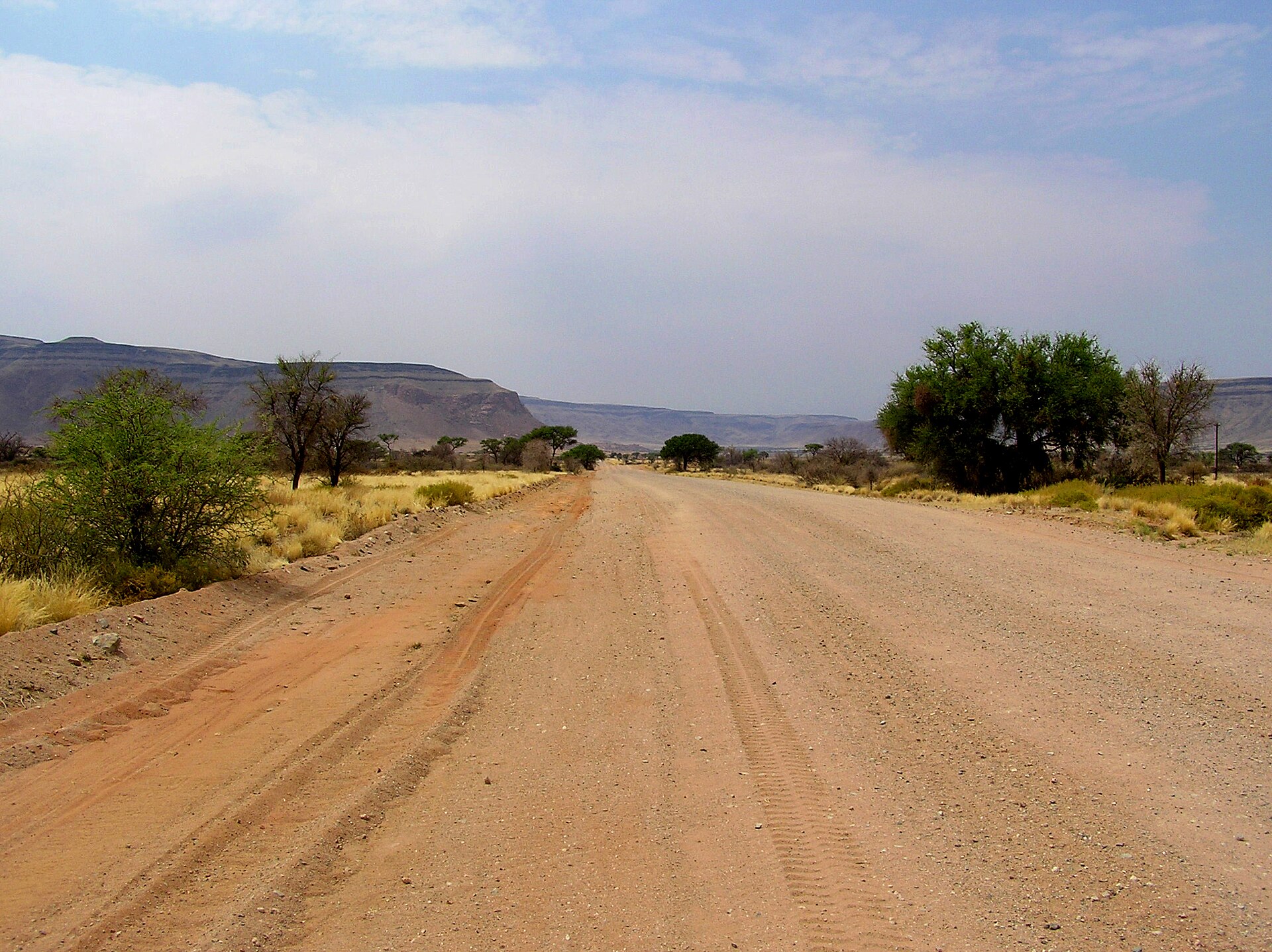
two spare wheels in Namibia rewards a plan built around distance, weather and the limits of the day. The practical choice is rarely the one that fits the greatest number of stops on a map; it is the one that leaves enough time to arrive safely, understand the place and respond when conditions change.
This guide turns two spare wheels in Namibia into a workable sequence. It focuses on access, timing, comfort and responsible decisions, with details that should be checked against current official advice shortly before travel.
In this guide
two spare wheels in Namibia: a practical overview
A strong two spare wheels in Namibia plan separates fixed limits—official access, daylight, fuel, weather and personal ability—from preferences that can change. Confirm the fixed limits first, then add accommodation and activities without relying on maximum driving speeds or guaranteed wildlife and weather.
Decide by route and support distance
Two spare wheels in Namibia are most relevant where the itinerary includes remote gravel, long distances between repair facilities or rental-company advice that specifically calls for them. A common paved route may need a different risk assessment.
Use this part of two spare wheels in Namibia as a decision point rather than a promise. Ask the accommodation, guide, rental company or site authority what applies to the exact date, and keep enough margin to change course without creating a second problem.
Inspect both spares as real tyres
A second spare is useful only when inflated, undamaged and compatible with the vehicle. Before relying on two spare wheels in Namibia, check tread, valve condition, mounting and access under a full luggage load.
Use this part of two spare wheels in Namibia as a decision point rather than a promise. Ask the accommodation, guide, rental company or site authority what applies to the exact date, and keep enough margin to change course without creating a second problem.
Test the complete wheel-change kit
Locate the jack, wheel spanner, locking-wheel key and safe jacking points. Ask the rental representative to demonstrate them. Two spare wheels in Namibia do not help if a missing key or unsuitable jack prevents the change.
Use this part of two spare wheels in Namibia as a decision point rather than a promise. Ask the accommodation, guide, rental company or site authority what applies to the exact date, and keep enough margin to change course without creating a second problem.
Follow vehicle-specific pressure advice
Gravel, load and tyre construction affect recommended pressure. Get written guidance from the rental company rather than copying an online number. When carrying two spare wheels in Namibia, include a reliable gauge and check pressures cold.
Use this part of two spare wheels in Namibia as a decision point rather than a promise. Ask the accommodation, guide, rental company or site authority what applies to the exact date, and keep enough margin to change course without creating a second problem.
Know when not to continue
After one puncture, reassess the route and remaining daylight. Contact the rental company where possible and head for repair rather than using the last reserve casually. Two spare wheels in Namibia provide margin, not permission to ignore damage.
Use this part of two spare wheels in Namibia as a decision point rather than a promise. Ask the accommodation, guide, rental company or site authority what applies to the exact date, and keep enough margin to change course without creating a second problem.
Connect the plan to the right local service
Compare the route, stay or guided experience by practical fit and current access, not by a generic ranking.
Final checks before you travel
- Inspect and photograph both spares at handover.
- Confirm every tool and locking key is present.
- Carry a pressure gauge and follow rental advice.
- Save repair and rental contacts offline.
- Repair or replace the first damaged tyre promptly.
Read the current official or primary guidance and use our related Namibia planning guide for the wider route. Good two spare wheels in Namibia planning is specific about uncertainty: access, weather, wildlife and road conditions can change, so the final decision belongs close to the travel date.