
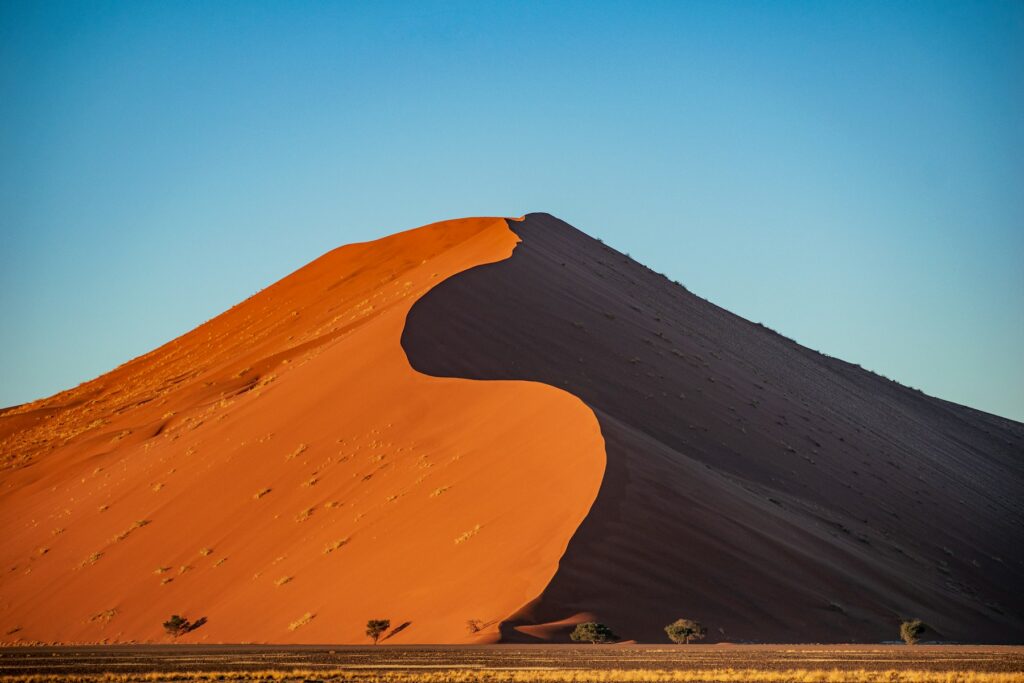
Sesriem Gate and Camp: Planning the Visit Without Rushing
Sesriem Gate and Camp are the practical starting point for visits to Sossusvlei, Deadvlei and the surrounding dune landscape. The
Practical planning guides covering timing, packing, self-drive preparation and trip logistics for Namibia.
Sesriem Gate and Camp are the practical starting point for visits to Sossusvlei, Deadvlei and the surrounding dune landscape. The
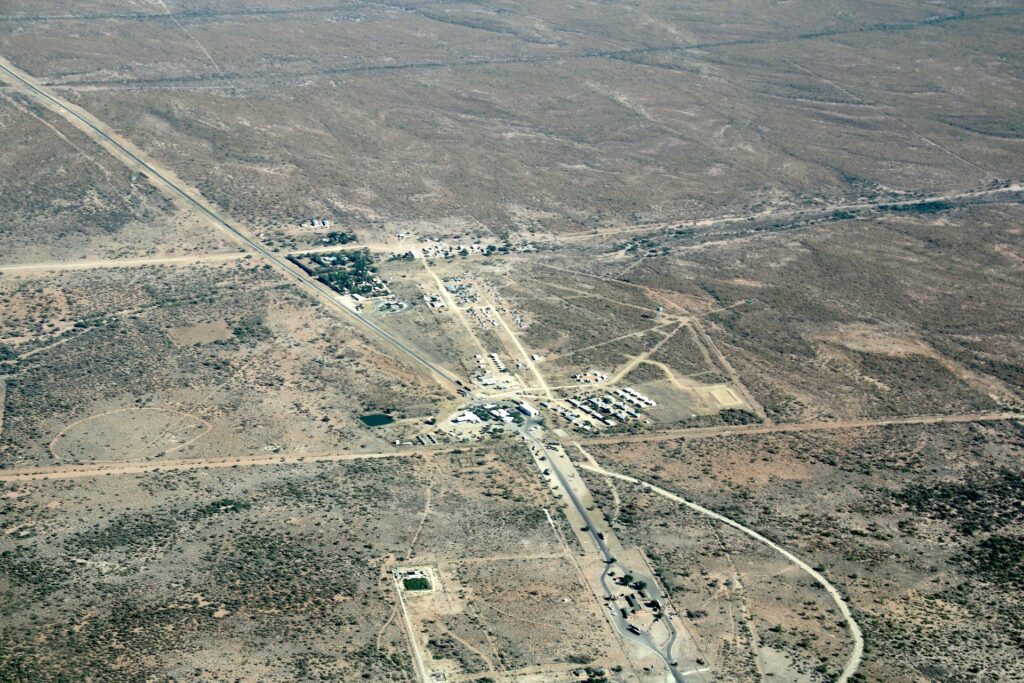
The documents officials actually ask for, the letter of authority that catches hire-car drivers out, the cross-border charge, and which posts are open when.
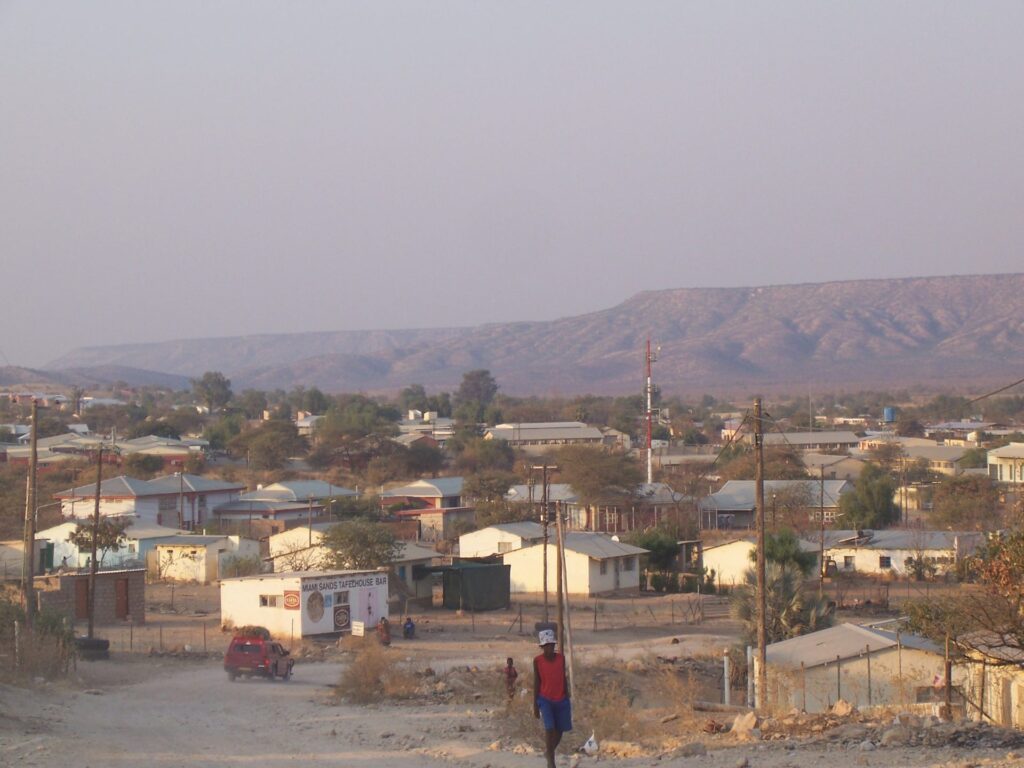
Which network to buy, what a tourist data bundle costs, where there is genuinely no signal, and the offline habits that make a Namibian self-drive work.

Namibian dollars and rand, where cards work, why fuel stations are cash-only, where the ATMs actually are, and how much cash a self-drive trip needs on hand.
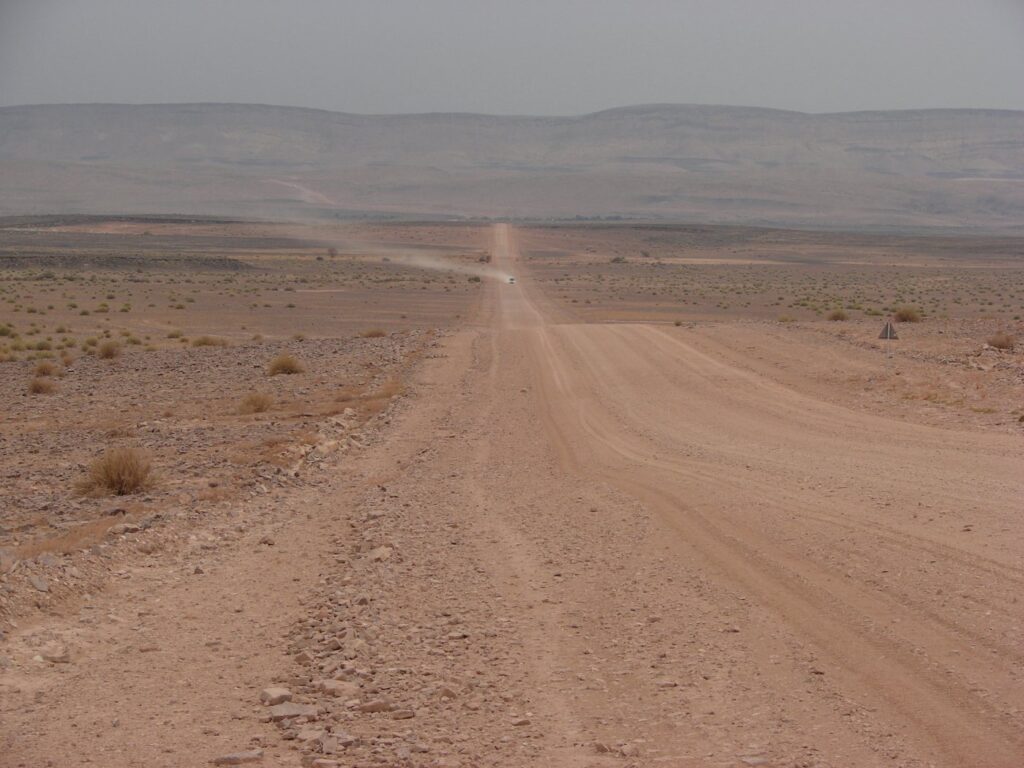
The Namibian roads worth building a route around – the C14 passes, the D707, Spreetshoogte, the Skeleton Coast salt road – plus what gravel driving actually asks of you.
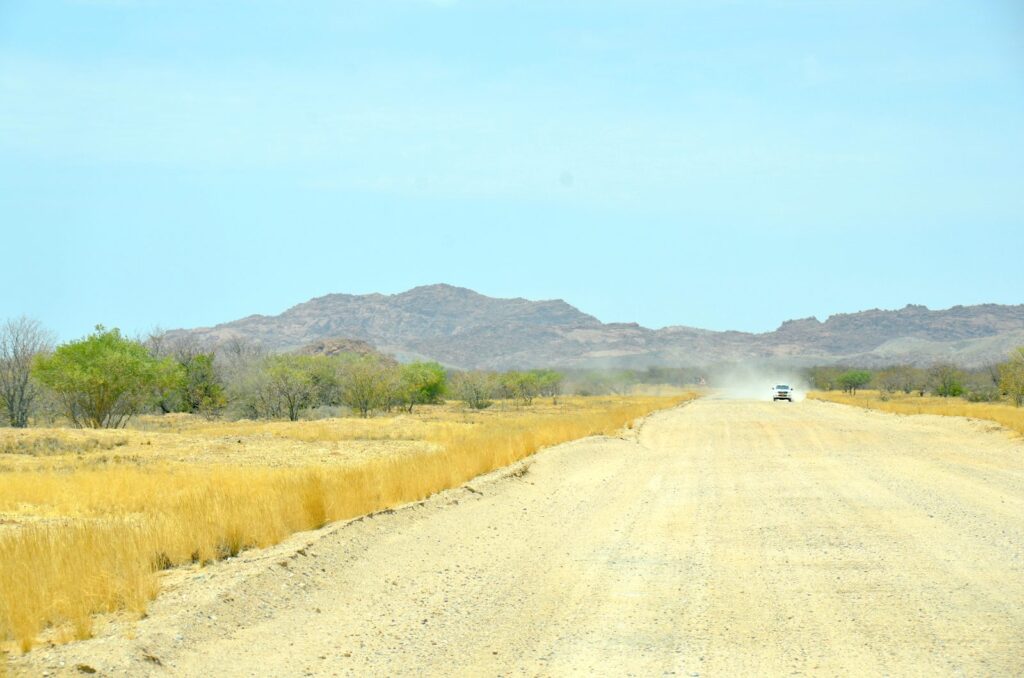
One fits a normal self-drive itinerary; the other needs a proper 4×4, a week and ideally two vehicles. Roads, fuel, what you see, and which suits a first Namibia trip.
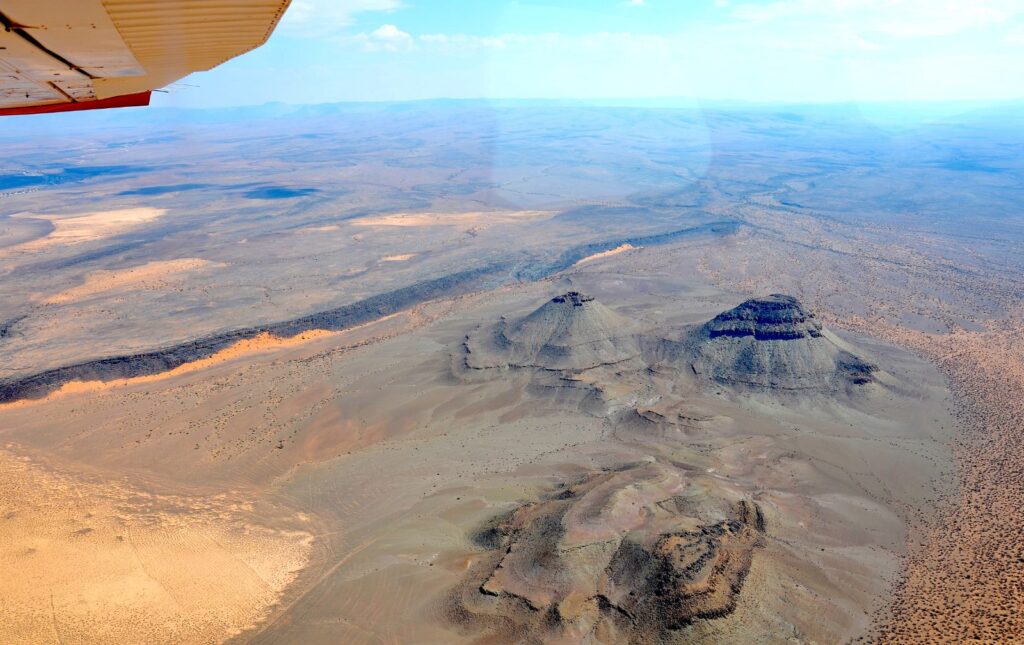
Andersson, Von Lindequist, Galton and King Nehale open onto different parts of Etosha. Which gate suits your route — and why being early through it matters more than which one.
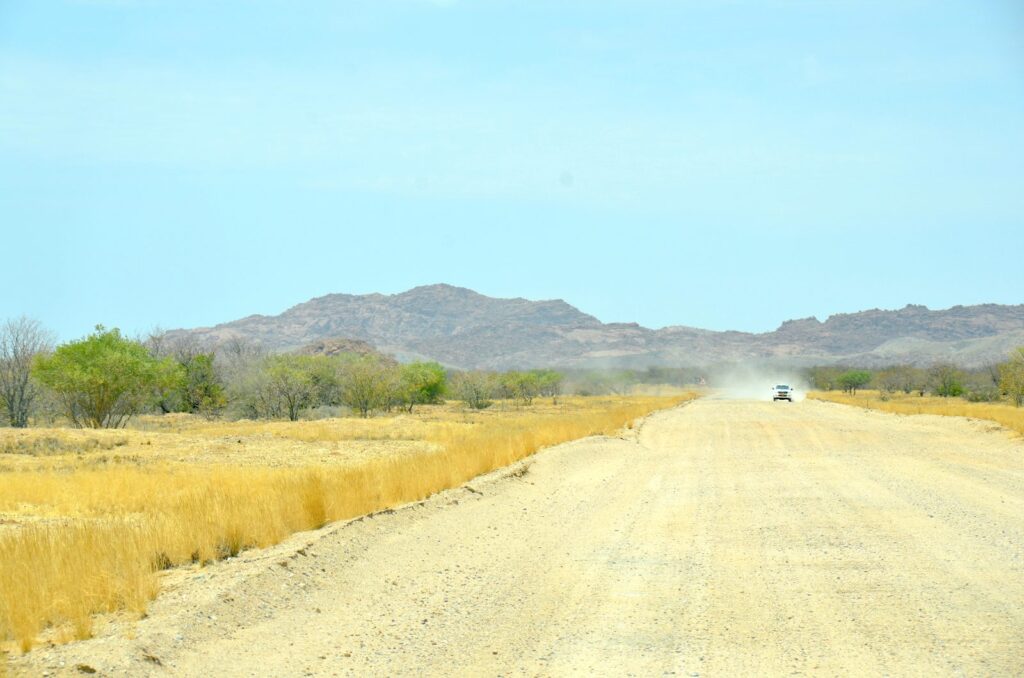
Thirty kilometres apart and not interchangeable. Swakopmund for the town and desert activities, Walvis Bay for the lagoon, birdlife and Sandwich Harbour.

Plan by station, not by range. Where the gaps are, why gravel wrecks your consumption figures, why you need cash, and the two-minute routine that prevents the problem.
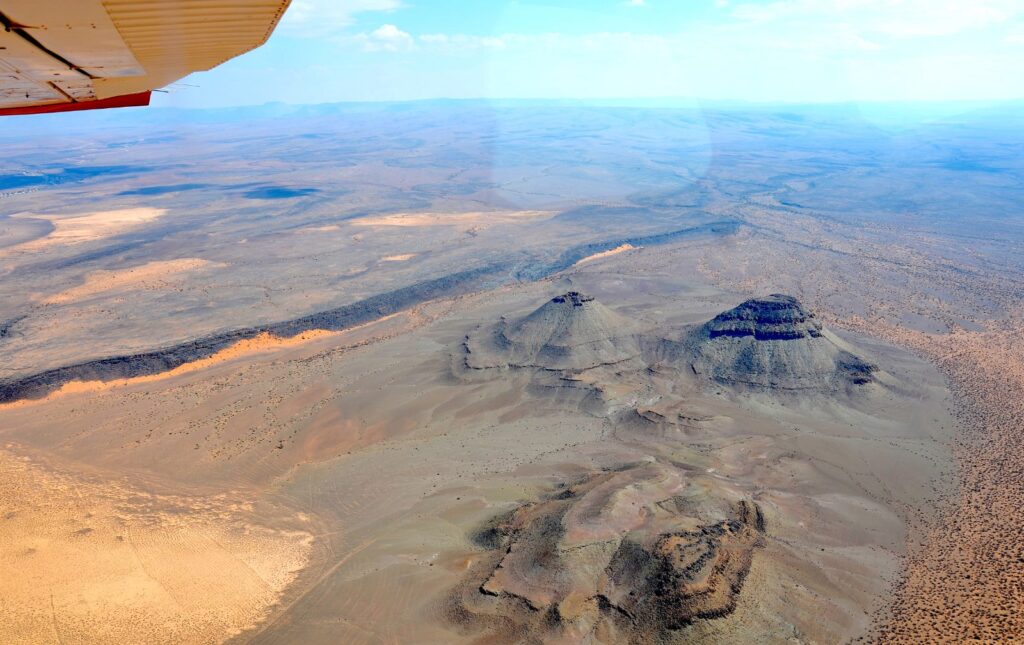
In Namibia the road is the risk, not crime. Gravel, fatigue, night driving, tyres, remoteness and wildlife — what actually goes wrong and how to avoid it.