
Windhoek
Namibia’s highland capital — the country’s political and commercial heart, and the practical starting point for most self-drive journeys.
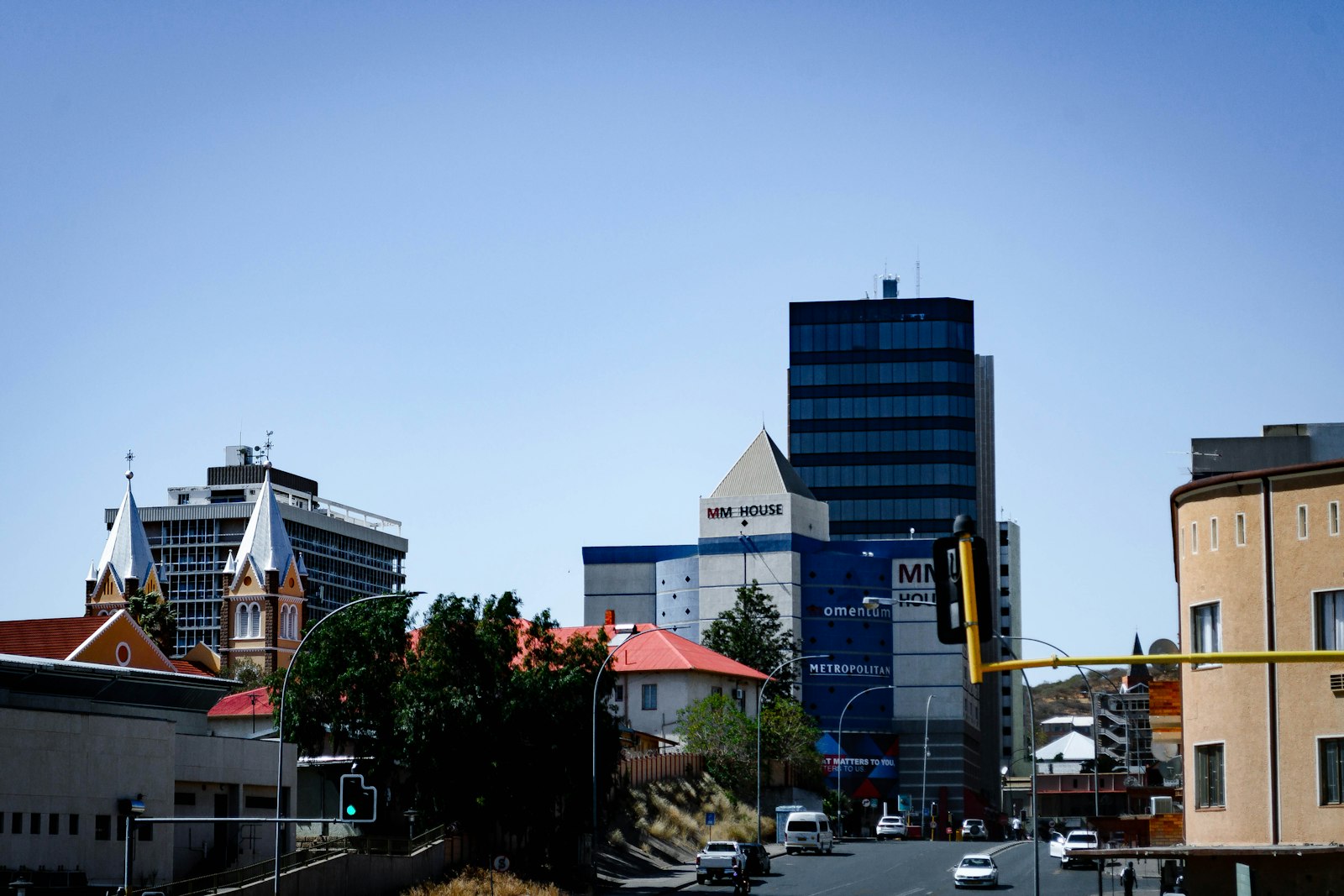
Windhoek is Namibia’s capital and by far its largest city, set in a highland basin roughly 1,650 metres above sea level and ringed by the Khomas Hochland hills. It is the country’s political, administrative and commercial centre, home to Parliament, the main government ministries, the headquarters of Namibia’s banks and largest companies, and the country’s principal international airport gateway. For most visitors arriving by air, Windhoek is also the practical starting and finishing point of a Namibian journey: a place to collect a hire vehicle, restock supplies, and see a handful of museums and heritage sites before heading out to the coast, the desert or the north.
A capital shaped by three eras
Windhoek sits roughly in the middle of Namibia, in a valley among the Auas, Eros and Khomas Hochland ranges. This central highland position, well inland from both the Atlantic coast and the Kalahari to the east, gives the city a dry, sunny climate with cool nights, mild winters and a short summer rainy season. The surrounding hills are covered in thornveld and support a mix of residential suburbs on the slopes, with the older commercial core and government district occupying the flatter valley floor below Robert Mugabe Avenue and Independence Avenue, the city’s main north–south spine.
Long before European settlement, the springs at what became Windhoek attracted Khoekhoe and Herero pastoralist communities, who valued the site for its reliable water in an otherwise dry highland landscape. The area changed hands between Nama and Herero groups over the nineteenth century, and conflict between them was one of the reasons the site was later chosen for a fortified colonial settlement: whoever controlled the springs controlled a key resource for the surrounding region. This pre-colonial and early-conflict history is acknowledged at the National Museum of Namibia and forms essential context for the colonial period that followed.
The Christuskirche
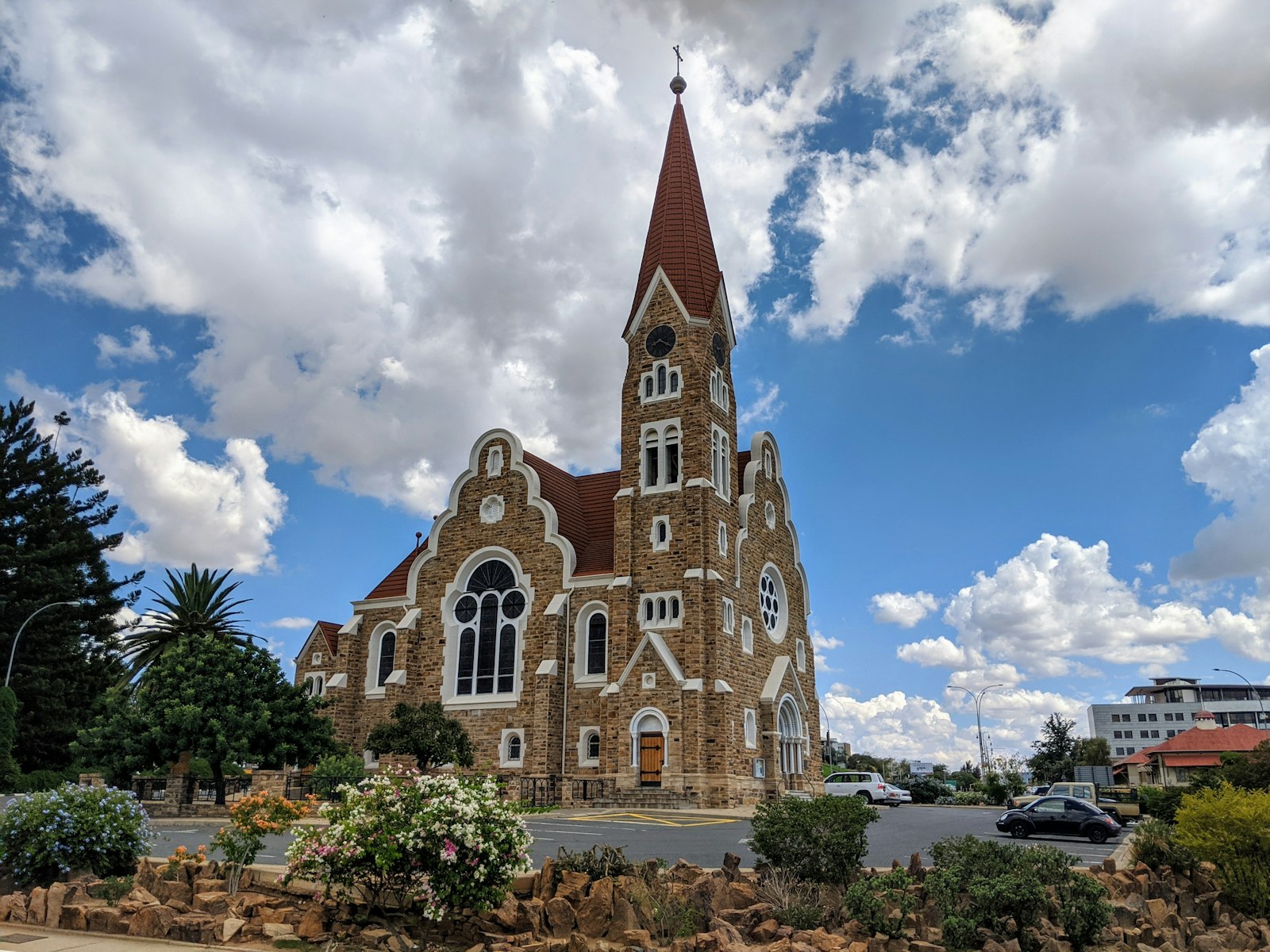
Windhoek in its modern form was founded in 1890, when Curt von François established a German colonial fort, the Alte Feste, on high ground above the springs, marking the start of German South West Africa’s administrative presence in the interior. The town grew slowly around the fort and the nearby churches, with the distinctive Christuskirche (Christ Church), completed in 1910, becoming its best-known landmark. German colonial rule was marked by forced dispossession of land and, in the early 1900s, war and genocide against the Herero and Nama peoples elsewhere in the territory; Windhoek functioned as the administrative seat from which this colonial control was exercised. South Africa occupied the territory during the First World War and subsequently administered it under a League of Nations mandate and, later, in defiance of United Nations rulings, extending apartheid-era racial segregation to Windhoek, including the forced removal of Black residents from the central Old Location to the new township of Katutura from 1959 onward.
Namibia became independent in March 1990, and Windhoek was confirmed as the capital of the new state, with the former Administrator’s residence and colonial-era government buildings repurposed for Namibian institutions. The Tintenpalast (“Ink Palace”), built in 1913 as the colonial administrative headquarters, today houses the National Assembly and National Council. Since independence, Windhoek has grown steadily as government, banking, education and retail have expanded; suburbs such as Kleine Kuppe, Olympia and Academia have grown up around the University of Namibia and Namibia University of Science and Technology, while Katutura has continued to develop its own commercial and cultural life, including markets and music venues that are now visited in their own right rather than only as a legacy of segregation.
Government, commerce and city life
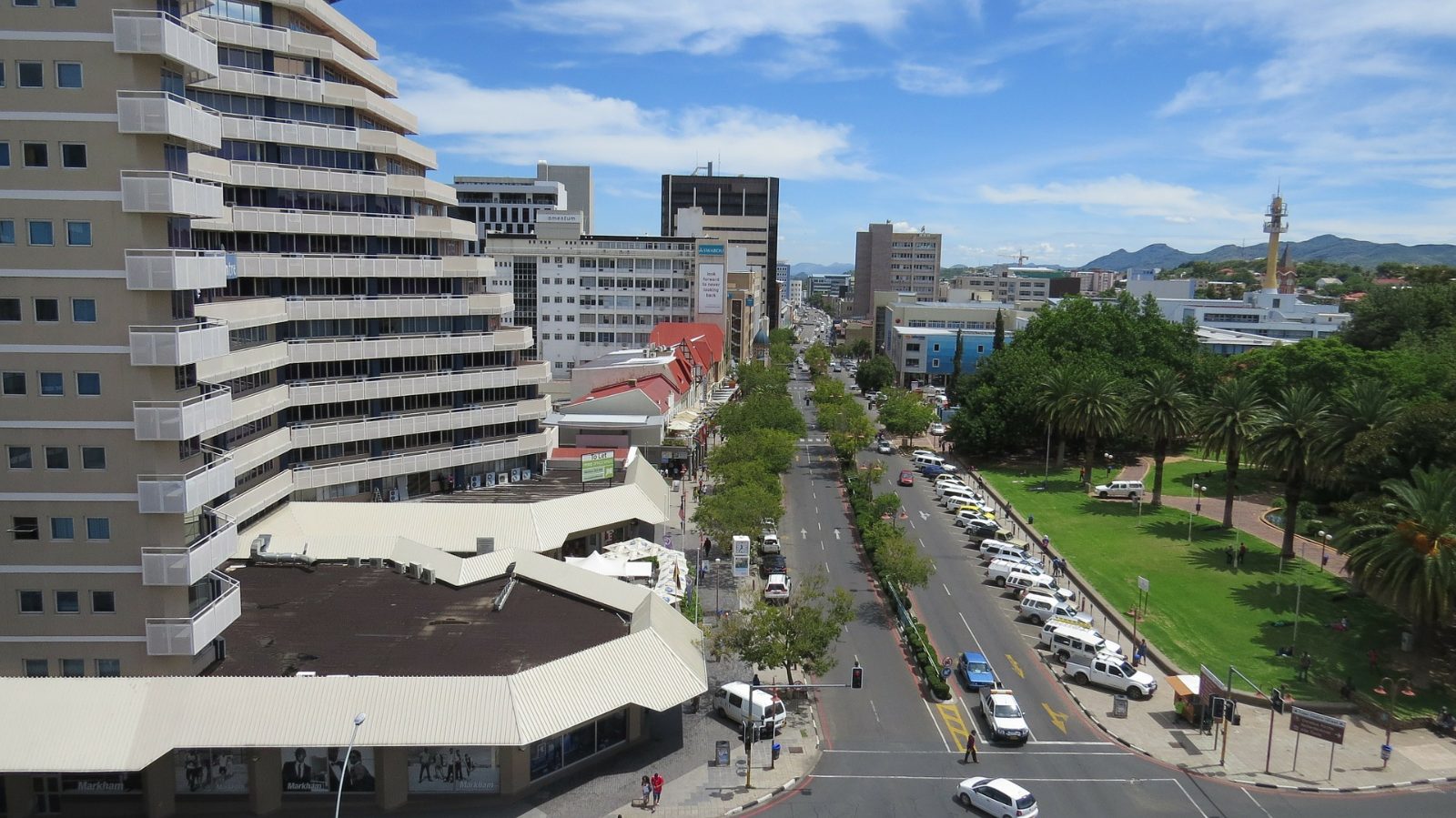
As the seat of government, Windhoek hosts the presidency, Cabinet ministries, the judiciary and Parliament, along with foreign embassies and high commissions. It is also Namibia’s banking and corporate centre, home to the Bank of Namibia, the Namibian Stock Exchange, and the head offices of the country’s major retail, mining-services and insurance companies. This combination of political and commercial weight means Windhoek has a wider range of services, healthcare and shopping than anywhere else in the country, which is one reason many self-drive itineraries begin and end here.
The city centre, along Independence Avenue, holds most government buildings, banks, the main post office and a concentration of shops and cafés. Klein Windhoek and Ludwigsdorf, east of the centre, are leafy, established suburbs with guesthouses, restaurants and embassies. Eros and Windhoek West offer mid-range accommodation within easy reach of the centre. Katutura, north-west of the city centre, is Windhoek’s largest residential area by population, with its own markets, informal traders and live-music venues, and a history that visitors interested in the country’s apartheid-era past should engage with directly rather than bypass. You can browse Windhoek accommodation by area and price on the accommodation hub.
Things to see and do
Museums and heritage
The Independence Memorial Museum, built above the older Alte Feste fort, traces Namibia’s path from colonial occupation through the liberation struggle to independence, and is the most direct starting point for understanding the country’s twentieth-century history. The Alte Feste itself, Windhoek’s oldest surviving building, sits alongside it. The National Museum of Namibia covers natural history and earlier human history in the region. The Christuskirche, on its own traffic island above Robert Mugabe Avenue, remains the city’s best-known piece of German colonial architecture and a useful landmark for orientation. Post Street Mall in the city centre displays fragments of the Gibeon meteorite shower, one of the largest meteorite finds in the world, discovered in southern Namibia.
Markets, food and shopping
The Namibia Craft Centre, in a converted old brewery building, gathers craft, textile and jewellery stalls from around the country under one roof and is a practical stop for gifts and souvenirs made in Namibia rather than imported. Windhoek’s restaurant scene mixes German-influenced dishes, Namibian game meat and modern cafés, concentrated mainly around the city centre and Klein Windhoek. Supermarkets and shopping centres in the city are the last reliable place to stock up on supplies before heading into more remote regions, and most visitors use Windhoek for exactly this purpose before and after a self-drive trip.
Day trips from Windhoek
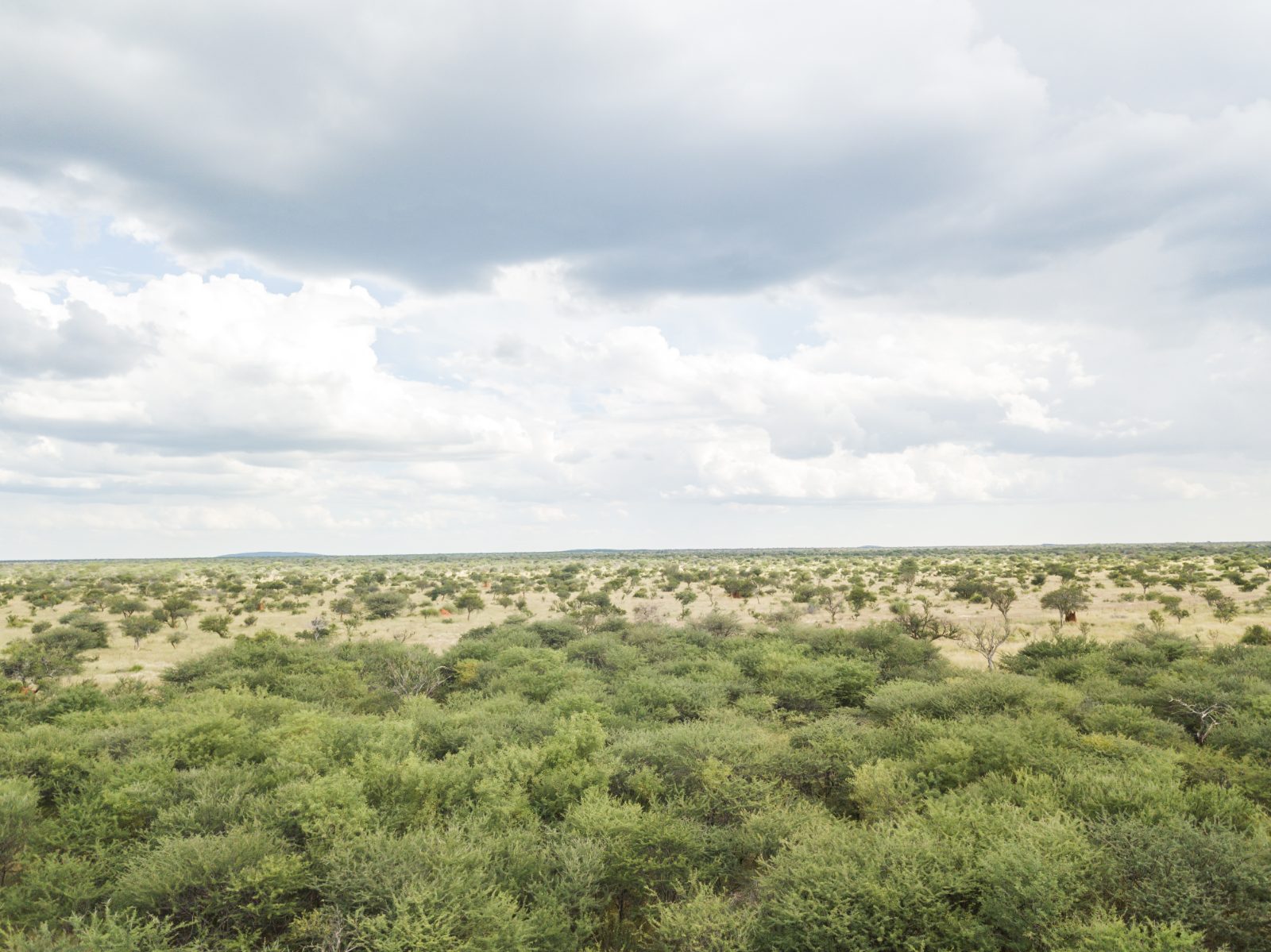
Daan Viljoen Game Reserve, a short drive west of the city in the Khomas Hochland, offers walking trails and antelope viewing without a long detour. Okahandja, roughly an hour north, is known for its woodcarvers’ market and as a stop on the road to Etosha. Gross Barmen, near Okahandja, is a hot-spring resort long used as a weekend retreat from the capital. Each of these makes a feasible half-day or full-day trip from Windhoek without committing to an overnight stay.
Tours and Activities
Windhoek is also a practical base for guided tours and activities, from city and township tours to day trips into the surrounding highlands and conservancies. Booking a local operator can add context and logistics support that are harder to arrange independently, especially for half-day city orientation or cultural visits.
Compare bookable options for the capital, including typical duration and traveller reviews, via our Windhoek tours and activities listings.
Where to stay and what to book in Windhoek
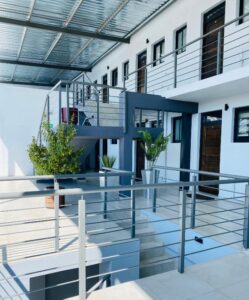
Most Namibia trips begin or end with a night in Windhoek. These three cover the usual choices — a small guesthouse, a mid-range town hotel and an international-brand hotel — and the map and availability search cover the whole city.
Places to stay near Windhoek
Lida Marie Guesthouse, Windhoek
A guesthouse on Sam Nujoma Drive, Windhoek, with an on-site restaurant and barbecue facilities. Check current…
Price Guide: N$750–N$850
View Property DetailsTown Lodge Windhoek, Namibia
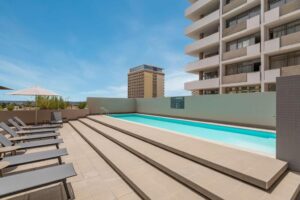
Town Lodge Windhoek is a budget-to-midscale hotel in Kleine Kuppe with a pool, restaurant and free parking, close…
Price Guide: N$1,550–N$1,650
View Property DetailsHilton Garden Inn Windhoek
Hilton Garden Inn Windhoek is a branded international hotel in the city's business district, close to museums and…
Price Guide: N$2,100–N$2,200
View Property Details

Check live availabilityBrowse all Windhoek accommodation
Tours and activities in Windhoek
Windhoek City Tour
See central Windhoek's historical sites and Katutura township on this guided Windhoek city tour.
View Tour DetailsDaan Viljoen Game Drive Safari – Half-Day Wildlife Tour from Windhoek
A half-day Daan Viljoen Game Drive Safari from Windhoek: zebra, springbok and birdlife in the Khomas Hochland…
View Tour DetailsOkapuka Game Drive – Big Game and Hippo Dam Safari from Windhoek
A small-group afternoon game drive from Windhoek to Durstenbrook Guest Farm, featuring giraffe, oryx and a resident…
View Tour Details


See all Windhoek tours and activities
Some booking links are affiliate links. We may earn a commission at no extra cost to you. See our affiliate disclosure.
Getting there and around
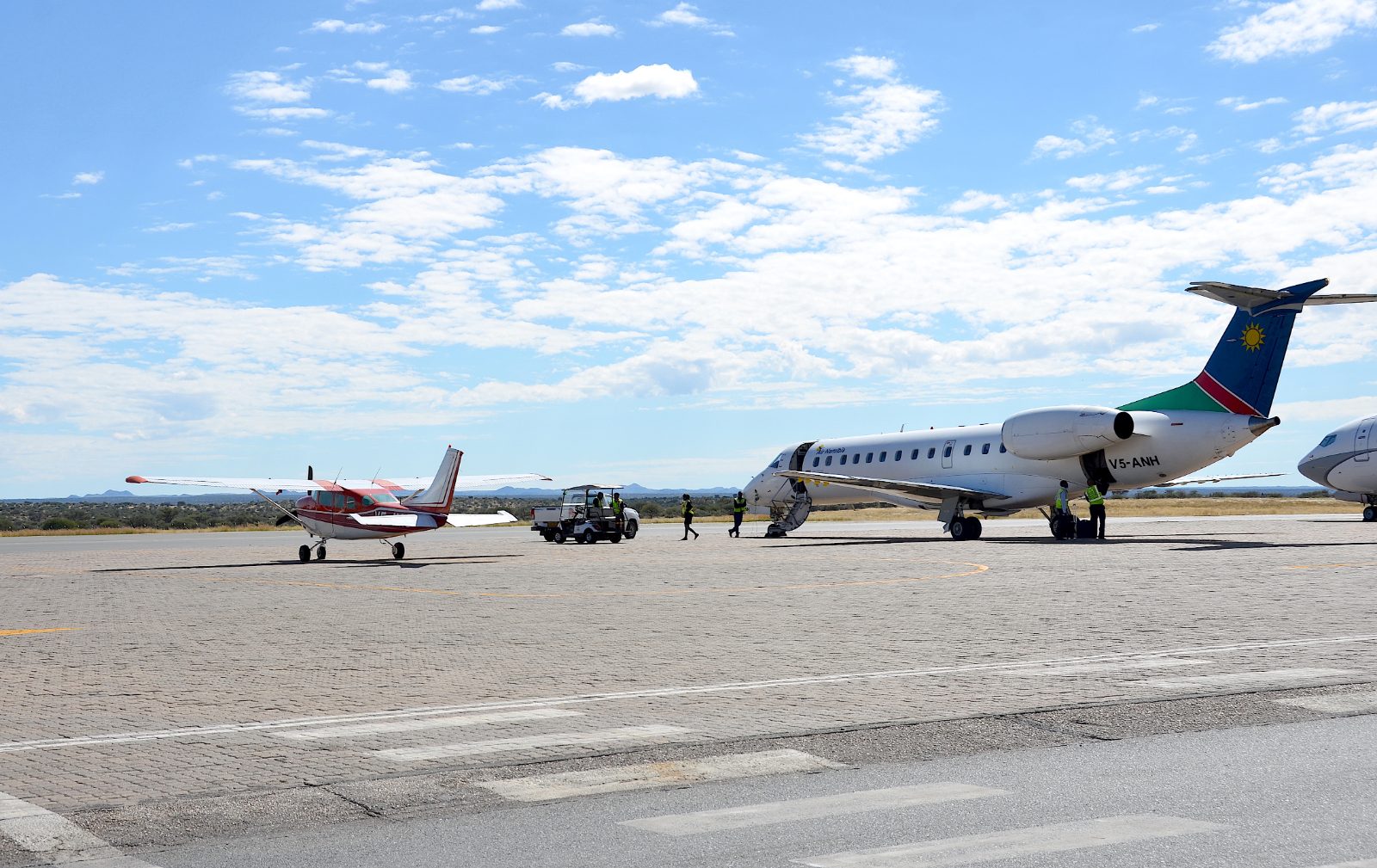
Hosea Kutako International Airport, Namibia’s main international gateway, lies well east of the city, roughly a 45-minute to one-hour drive along the B6 depending on traffic; most international and many domestic flights use this airport rather than the smaller Eros Airport closer to the city, which handles regional and charter traffic. Windhoek is the hub of Namibia’s main tarred road network: the B1 runs north–south through the city towards Okahandja, Otjiwarongo and the north, and south towards Rehoboth, Mariental and the south, while the B2 runs west towards Okahandja and on to Swakopmund and Walvis Bay. Most self-drive itineraries treat Windhoek as the point where a hire vehicle is collected and where the outbound route splits toward the coast, the north or the south.
Windhoek has no extensive public transport network of the kind found in larger cities; taxis, ride-hailing apps and hired vehicles are the practical ways to get around, along with walking within the compact central area. Because the city is spread across several hills and valleys, distances between suburbs are longer than they first appear on a map, and a vehicle is generally more convenient than walking once outside the centre.
Good to know
Windhoek’s altitude and dry climate mean sun protection and hydration matter even though temperatures feel comfortable; winter nights (June–August) can be cold despite warm days. English is Namibia’s official language, though Afrikaans and German are also widely spoken in Windhoek, alongside Oshiwambo, Otjiherero and other languages reflecting the city’s mixed population. As the country’s main hub for banking, pharmacies, hospitals and vehicle hire and repair, Windhoek is the most sensible place to resolve any practical issue before heading into more remote regions. Fees, opening times and current road or safety advisories should always be checked with official or on-the-ground sources close to your visit date, since these change over time.
One to two nights is generally enough to see the main museums and heritage sites, collect a hire vehicle and restock supplies, unless you are specifically using Windhoek as a base for day trips such as Daan Viljoen or Okahandja, in which case three nights gives more room to explore without rushing.
How long to spend in Windhoek
Most visitors need one night, and the useful question is which night. If your flight lands late in the day, take a night in Windhoek before collecting a hire vehicle rather than starting a long gravel drive on no sleep. If you are flying home, a final night in the city is easier than a dawn run in from Sossusvlei or Etosha, and it leaves room for the drive out to the airport, which sits well east of town.
Half a day covers the central sights comfortably: the Christuskirche, Independence Memorial Museum and the Post Street Mall craft stalls are all within walking distance of each other. A full day lets you add a museum properly, eat somewhere good, and sort out supplies, a SIM card and cash before heading out.
Stretch to two nights if you want a day trip into the Khomas Hochland or out towards Okahandja, if you are travelling with children who need to reset after a long flight, or if you are collecting a fully equipped camping vehicle and want an unhurried handover. Beyond that, most travellers are better served spending the extra night in the desert or at the coast. If you are still deciding how the city fits your route, the 7-day itinerary shows a short trip built around a single Windhoek night, while the 14-day itinerary uses the capital as both start and finish.
Where to stay in Windhoek
Where you base yourself matters more here than in most Namibian towns, because the city is spread across several hills and distances are real. The city centre puts you within walking reach of the main sights and is the easiest choice for a single night without a car. Klein Windhoek is quieter and greener, with a good concentration of restaurants, and is popular with travellers who have a vehicle. The hillside suburbs — Eros, Auasblick and Olympia — trade walkability for views and calm, and effectively require driving.
The mix runs from business hotels and long-standing city institutions through to guesthouses, hillside bed and breakfasts and self-catering apartments. Two practical points are worth more than star ratings: secure off-street parking if you are carrying luggage and camping equipment in a hire vehicle, and a realistic sense of the airport transfer, since Hosea Kutako is a substantial drive from the city rather than a short hop.
For a shortlist organised by style and budget, see our guide to the best hotels in Windhoek, or browse the full Windhoek accommodation listing.
Where to go next
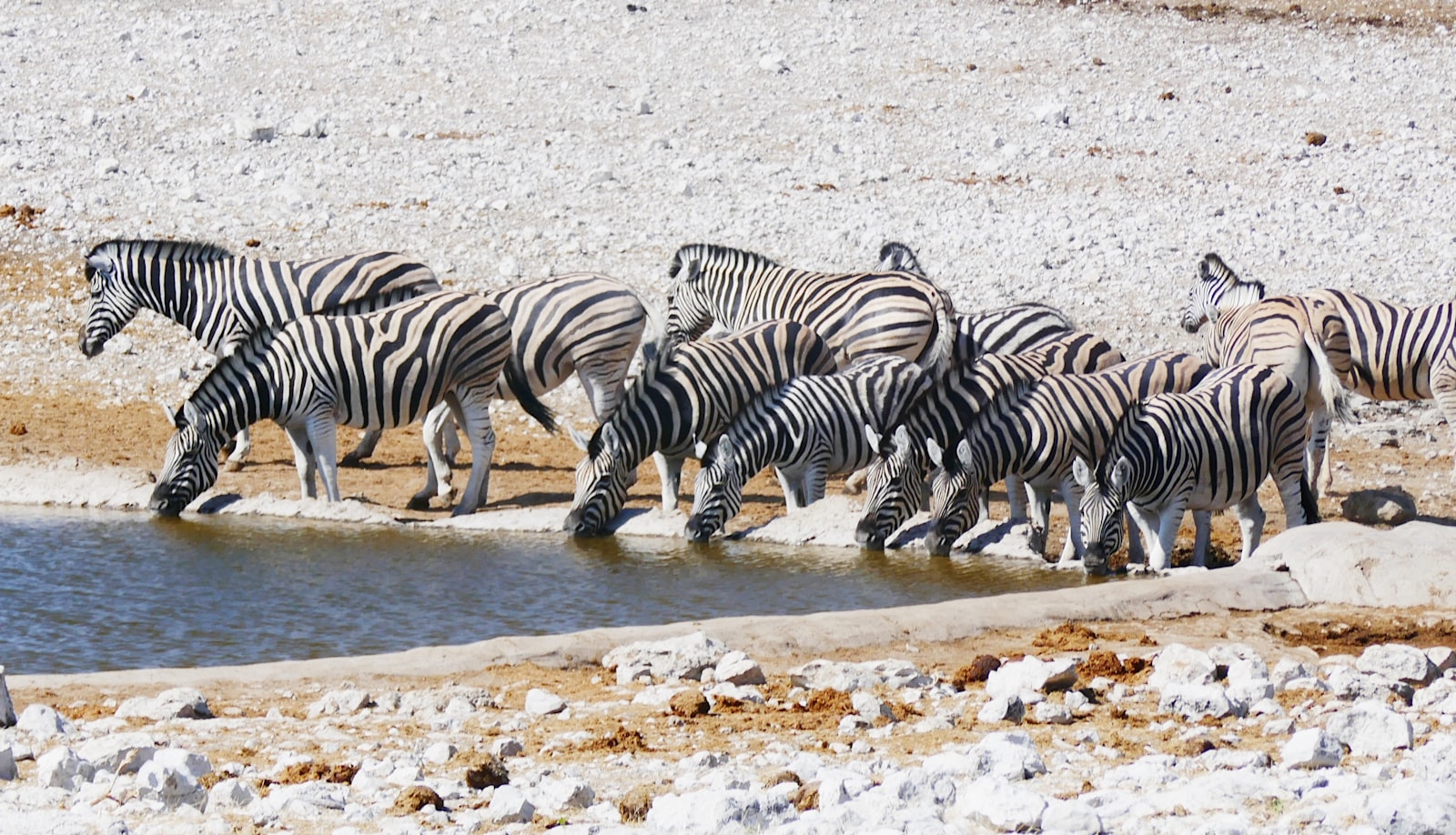
Etosha National Park
Namibia’s premier wildlife destination, reached north from Windhoek via the B1.
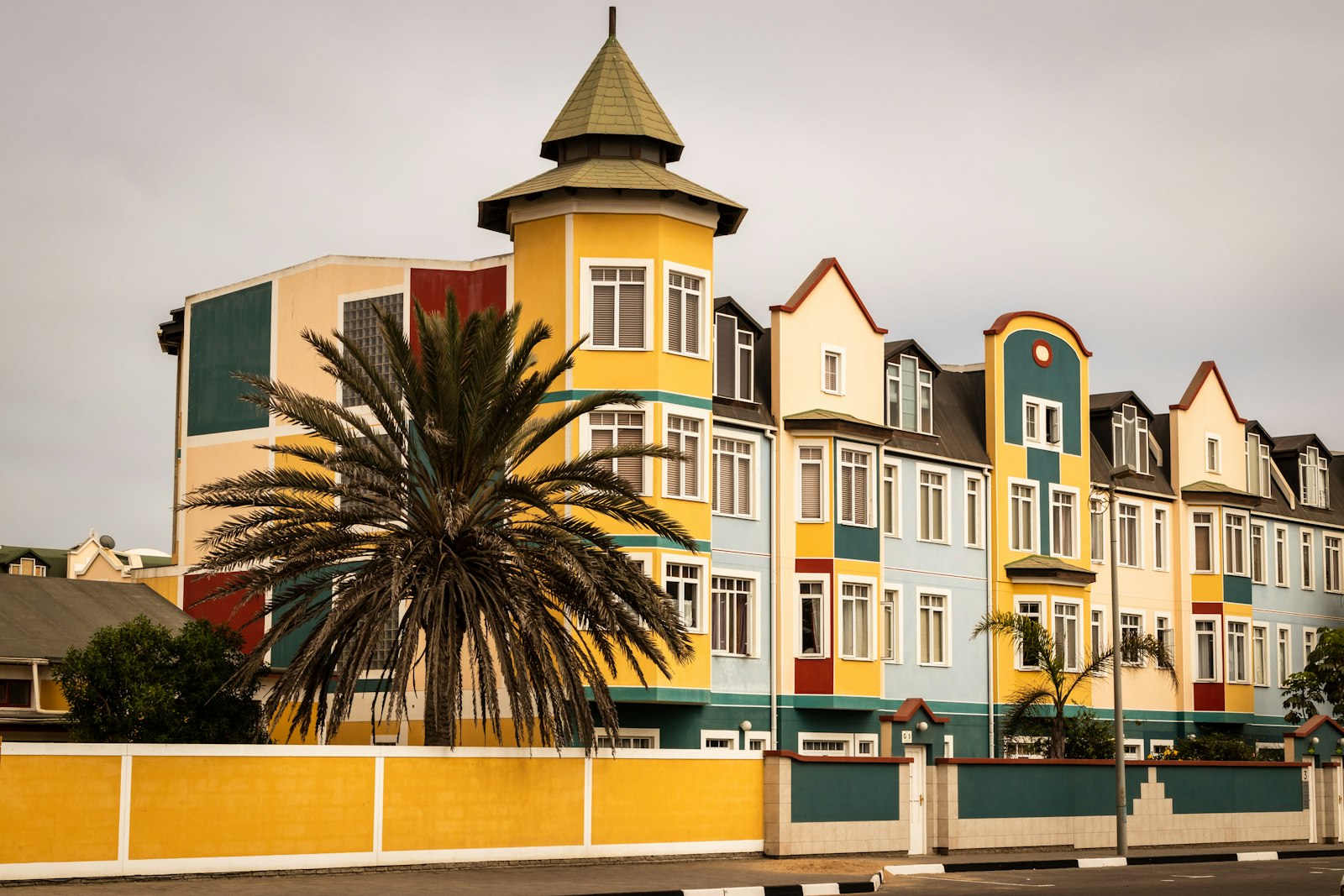
Swakopmund
A coastal base on the Atlantic, roughly four hours west via the B2.
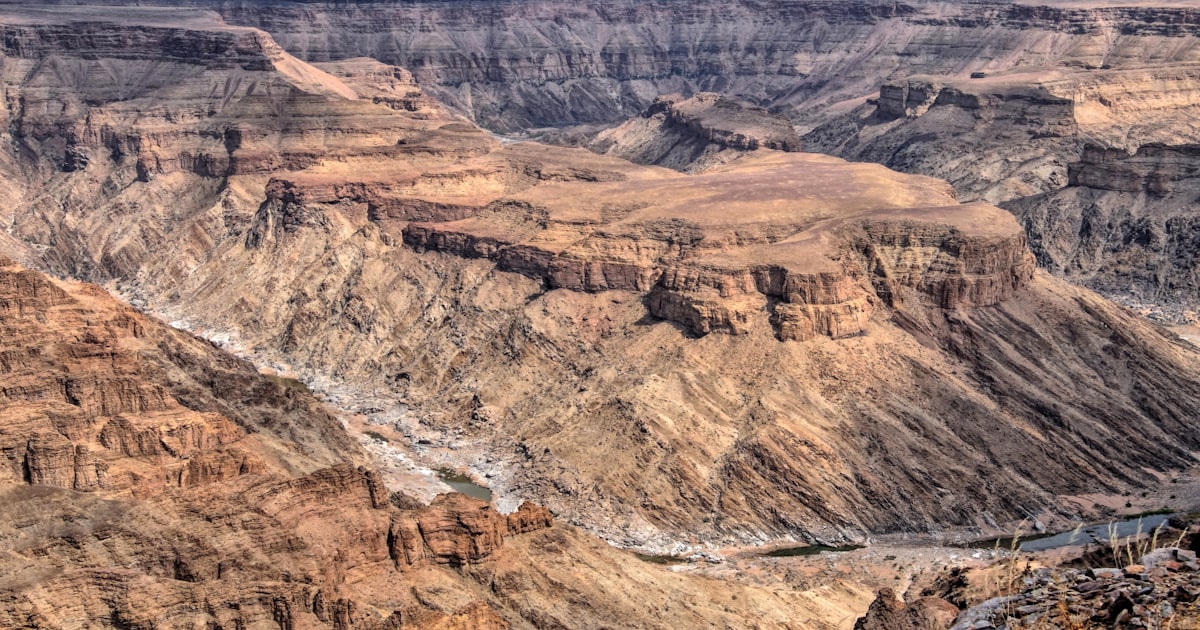
Fish River Canyon
One of the world’s largest canyons, a long day’s drive south.
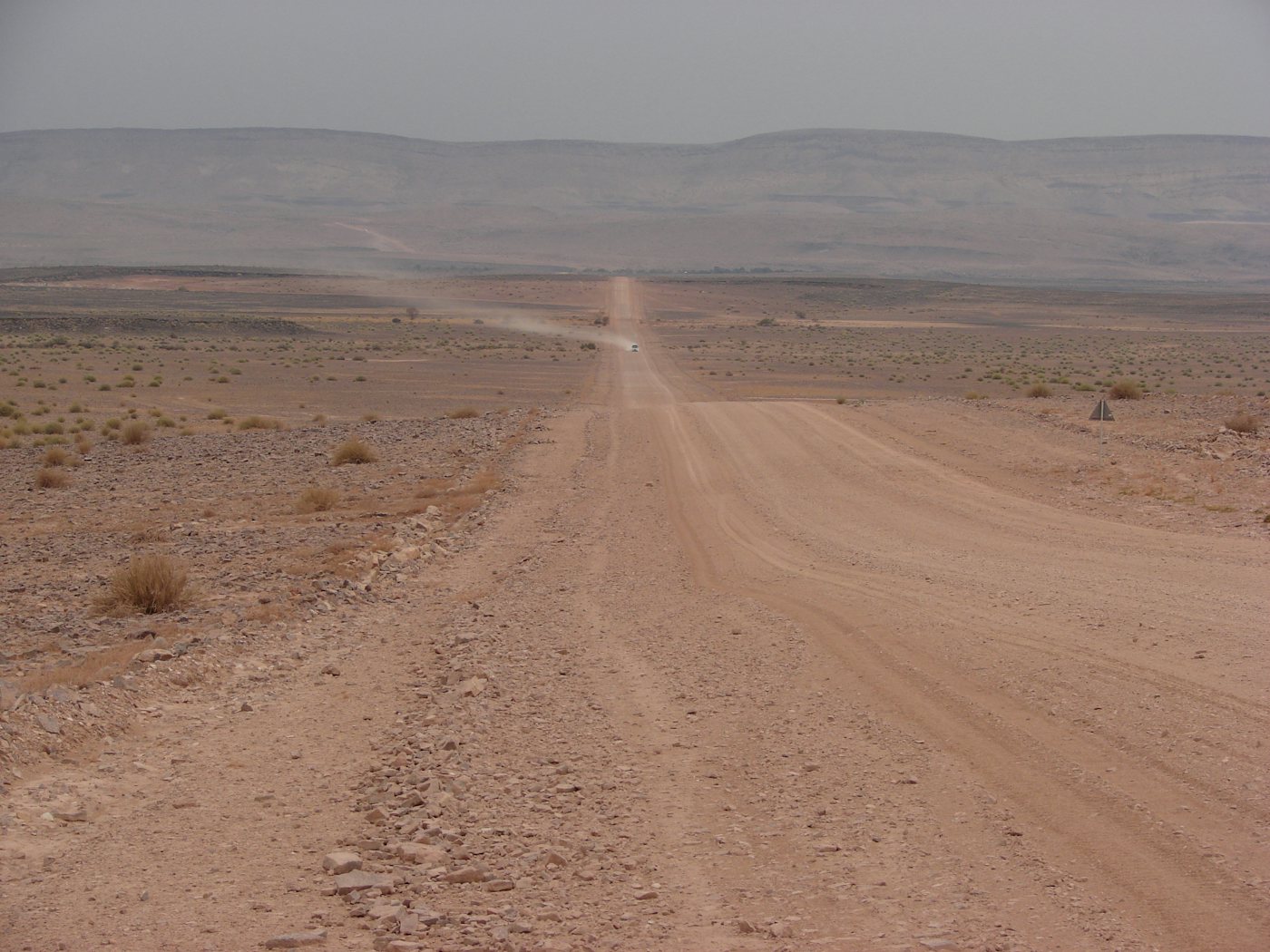
Self-Drive Namibia
Route-planning guidance before collecting your hire vehicle in Windhoek.
Nearby destinations
Windhoek sits within the Windhoek and Central Namibia region, alongside Okahandja, Rehoboth and Gross Barmen. From here, the B1 and B2 give practical access north toward Etosha and Central North, west toward the Namibia Coast and Swakopmund, and south toward Southern Namibia and Fish River Canyon. See Self-Drive Namibia for general route-planning guidance before setting out.
Ready to plan your Namibia journey?
Windhoek is where most self-drive trips begin and end — use it to collect your vehicle, stock up, and plan the route ahead.
Self-Drive Namibia guide See all destinationsLast reviewed: 22 July 2026.
Planning a longer trip? See our Namibia itineraries to see how Windhoek fits into a 7-, 10-, 14- or 21-day route.