
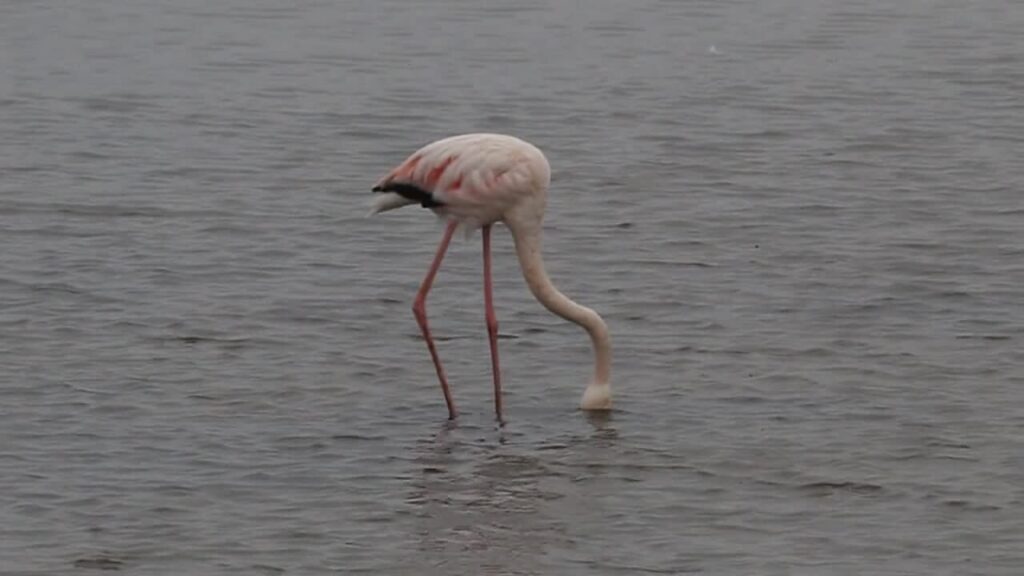
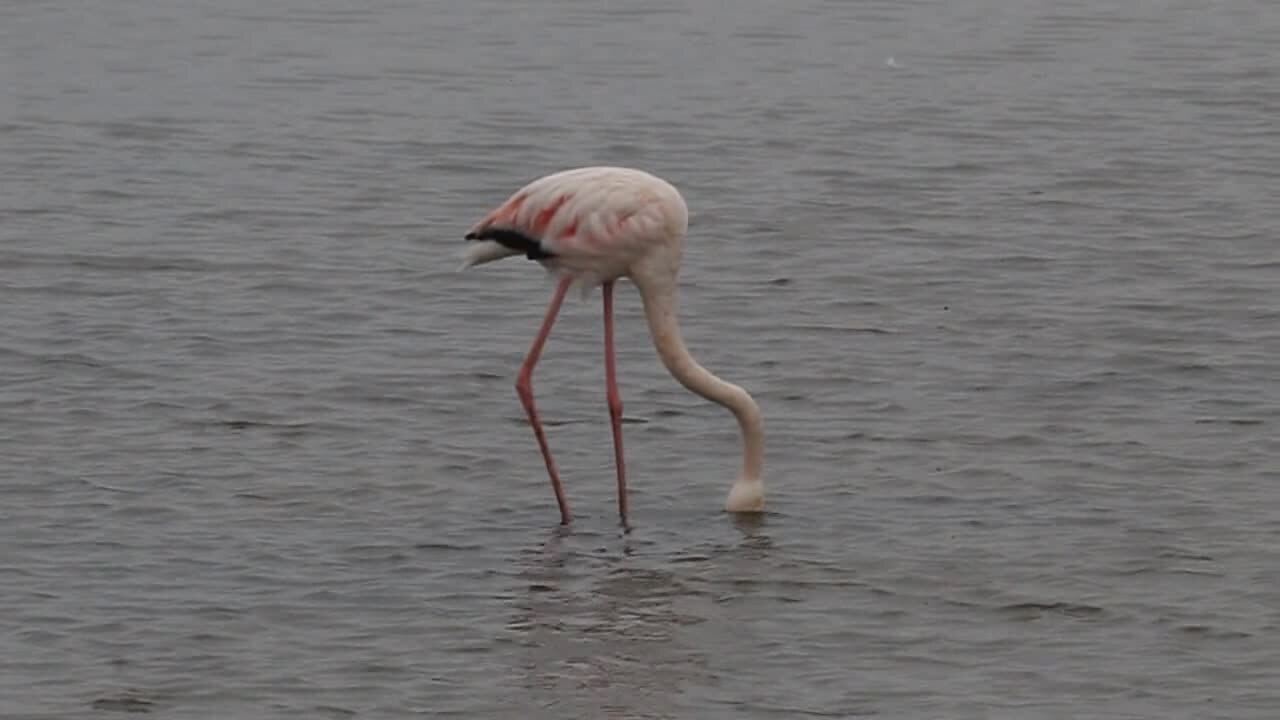
flamingos and coastal birds gather around the Walvis Bay lagoon, salt works and other Atlantic wetlands, but numbers and locations change with tide, season and food. A responsible visit values the whole habitat rather than one close portrait.
Good viewing is possible from public roads and established viewpoints. A guide adds identification, current local knowledge and access without encouraging disturbance.
In this guide
flamingos and coastal birds: a practical overview
Use binoculars or a long lens, remain on firm public areas and keep dogs, drones and vehicles away from feeding flocks. Early or late light can be attractive, but tide and wind often matter more than the clock.
Use this guide as a planning framework, not as a substitute for live local conditions. Save essential phone numbers and an offline map before departure; confirm road, weather and entry information again close to the travel date; and give the next accommodation a realistic arrival window. Keep water, fuel, payment options and daylight margin in reserve. If a road, activity or reservation changes, protect the safe core of the itinerary instead of adding hurried replacement stops. When comparing bookable options, read the inclusions, pickup point, cancellation conditions and minimum participant rules before paying.
Start with established lagoon viewpoints
The esplanade and designated birding areas provide broad views without entering mudflats. Ask locally which section is active that day instead of walking toward distant birds.
Treat this section as a decision point rather than a promise. Confirm details for the exact travel date with the relevant accommodation, rental company, guide or authority, and keep enough margin to change course safely.
Let the birds choose the distance
If birds stop feeding, raise their heads repeatedly or move away, you are too close. Step back and use optics rather than advancing.
Treat this section as a decision point rather than a promise. Confirm details for the exact travel date with the relevant accommodation, rental company, guide or authority, and keep enough margin to change course safely.
Use tide as a planning tool
Water depth changes where birds feed and rest. A guide or recent local report can help, but no tide guarantees a particular species.
Treat this section as a decision point rather than a promise. Confirm details for the exact travel date with the relevant accommodation, rental company, guide or authority, and keep enough margin to change course safely.
Keep photography quiet and patient
Avoid playback calls, flash, drones and surrounding a flock. Stay low-key, use a long focal length and wait for natural behaviour.
Treat this section as a decision point rather than a promise. Confirm details for the exact travel date with the relevant accommodation, rental company, guide or authority, and keep enough margin to change course safely.
See the wetland beyond flamingos
Pelicans, terns, waders and other species make the lagoon internationally important. Record sightings responsibly and avoid sharing precise locations for sensitive nests.
Treat this section as a decision point rather than a promise. Confirm details for the exact travel date with the relevant accommodation, rental company, guide or authority, and keep enough margin to change course safely.
Plan and book this part of the trip
Compare live accommodation and bookable experiences without losing the practical route logic above.
Affiliate disclosure: these booking links may earn Namibia Travel Guide a commission on a qualifying booking, at no extra cost to you. Prices, availability and inclusions change; check the live listing before booking.
Final checks before you travel
- Bring binoculars or a long lens.
- Stay on public viewpoints.
- Check tide and wind.
- Avoid drones, playback and flash.
- Move back at the first sign of disturbance.
Read the current official or primary guidance and use our related Namibia planning guide for the wider plan. The best flamingo encounter leaves the flock feeding normally and gives the visitor a clearer understanding of the entire coastal wetland.