

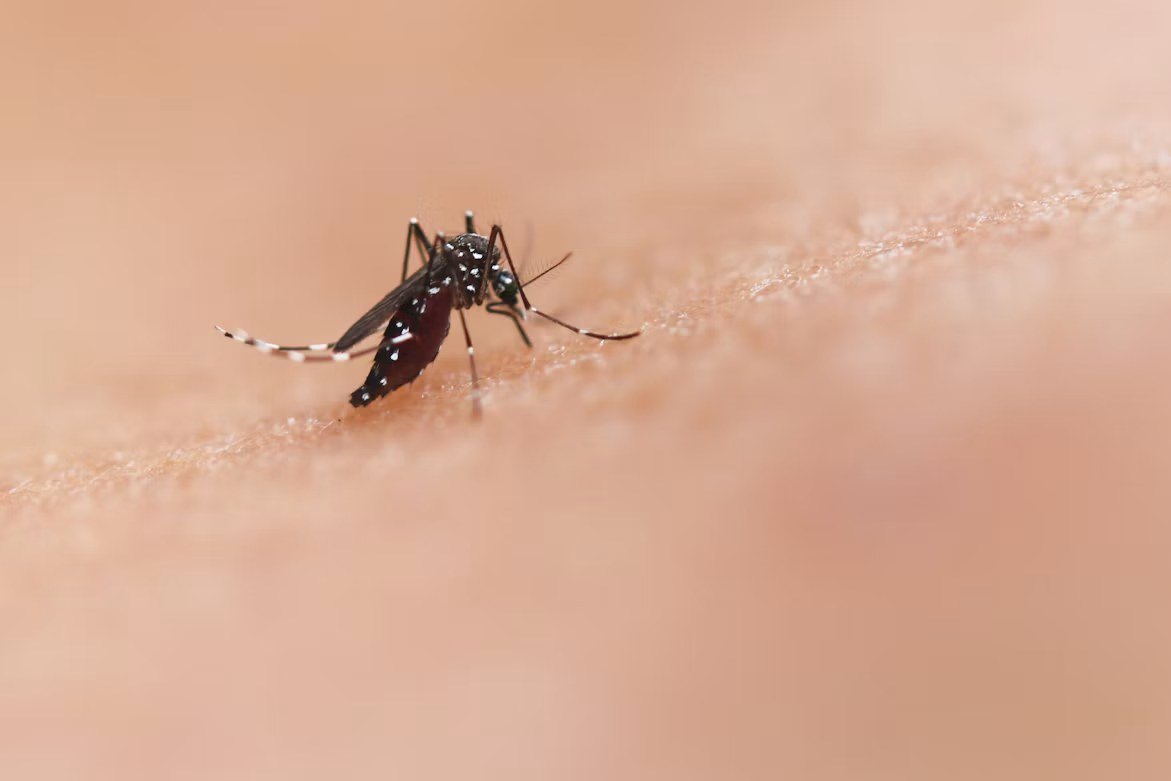
Malaria risk in northern Namibia changes with place, season, rainfall and current transmission. Etosha’s wider region, Kavango, Zambezi and other northern areas require more attention than the arid south, but no website can replace advice based on an individual traveller’s health and exact itinerary.
Speak to a qualified travel-health professional well before departure, especially for children, pregnancy, long stays or medical conditions. Prevention combines mosquito-bite avoidance with any antimalarial medicine recommended for the route and the traveller.
In this guide
malaria risk in northern Namibia: a practical overview
The World Health Organization describes malaria as a potentially life-threatening disease transmitted by infected mosquitoes. Risk is not limited to one hour of the evening, so use several layers of protection: suitable repellent, long clothing when practical, screened or air-conditioned rooms and an intact treated mosquito net where needed.
Get itinerary-specific medical advice
Bring the exact places, dates, accommodation style and onward countries to the consultation. A clinician can assess whether preventive medicine is appropriate and explain when to start and stop it. Do not borrow tablets or rely on a medicine chosen for another person or a previous destination.
Treat this section as a decision point rather than a promise. Confirm the details that apply to the exact travel date with the relevant accommodation, rental company, guide or authority, and keep enough margin to change course safely.
Reduce bites consistently
Apply an effective insect repellent according to its label, including reapplication after swimming or heavy sweating. Wear long sleeves, long trousers and closed footwear when mosquito activity is likely. Keep doors and screens closed, and use a net correctly when the sleeping space is not adequately screened.
Treat this section as a decision point rather than a promise. Confirm the details that apply to the exact travel date with the relevant accommodation, rental company, guide or authority, and keep enough margin to change course safely.
Use prescribed medicine exactly as directed
If antimalarial prophylaxis is prescribed, follow the full schedule before, during and after travel as instructed. Ask what to do after vomiting or a missed dose and discuss possible interactions. Preventive medicine reduces risk but does not remove the need for bite avoidance or symptom awareness.
Treat this section as a decision point rather than a promise. Confirm the details that apply to the exact travel date with the relevant accommodation, rental company, guide or authority, and keep enough margin to change course safely.
Treat fever as urgent
Fever, chills, headache, weakness or flu-like illness during or after travel require prompt medical assessment. Tell the clinician about the Namibia itinerary and dates, even months after returning. Do not wait for symptoms to become severe or assume that prophylaxis makes malaria impossible.
Treat this section as a decision point rather than a promise. Confirm the details that apply to the exact travel date with the relevant accommodation, rental company, guide or authority, and keep enough margin to change course safely.
Check current local and public-health information
Transmission can rise after rain or during outbreaks. Review official updates shortly before travel and ask the booked property about screens, nets and access to medical care. Carry travel-insurance details and know where the nearest suitable facility is on remote northern stages.
Treat this section as a decision point rather than a promise. Confirm the details that apply to the exact travel date with the relevant accommodation, rental company, guide or authority, and keep enough margin to change course safely.
Connect the plan to the right local service
Compare the route, stay or guided experience by practical fit and current access, not by a generic ranking.
Final checks before you travel
- Consult a travel-health professional before departure.
- Pack effective repellent and covering clothing.
- Use screens or an intact mosquito net where needed.
- Take prescribed medicine for the complete schedule.
- Seek urgent assessment for fever during or after travel.
undefined current official or primary guidance undefined related Namibia planning guide undefined Preparation for malaria risk in northern Namibia should combine current professional advice, disciplined bite prevention and a clear plan to seek care quickly if symptoms appear.