
Kavango
The Kavango River region, gateway to Namibia’s green, water-rich north-east
Destinations › Kavango
Kavango is a green, river-defined region along Namibia’s northern strip, centred on the perennial Kavango River and its border with Angola. It marks a clear change in landscape from the dry country further south and west, and it forms the western gateway to the Bwabwata National Park and, beyond it, the Zambezi Region. Rundu, its main town, and the river-based parks around Divundu are the region’s practical focus for most travellers passing through toward the Zambezi Region or Botswana’s Okavango Delta beyond the border.
Kavango at a glance
- Region: north-eastern Namibia, along the Kavango River and Angola border
- Main town: Rundu, the regional capital
- Known for: the Kavango River, Popa Falls, Bwabwata National Park’s Mahango Core Area, wood-carving craft markets
- Suits: travellers on the route between Etosha/Central North and the Zambezi Region, or continuing into Botswana’s Okavango Delta
- Access: the B8 (Trans-Caprivi Highway) runs the length of the region
Geographic setting
Kavango stretches along the southern bank of the Kavango River, which forms the border with Angola for much of its length before flowing on into Botswana’s Okavango Delta. The region is part of Namibia’s “panhandle” strip linking the country’s core to the far north-east, and its riverine environment is markedly greener and more humid than almost anywhere else in Namibia.
Landscape and climate
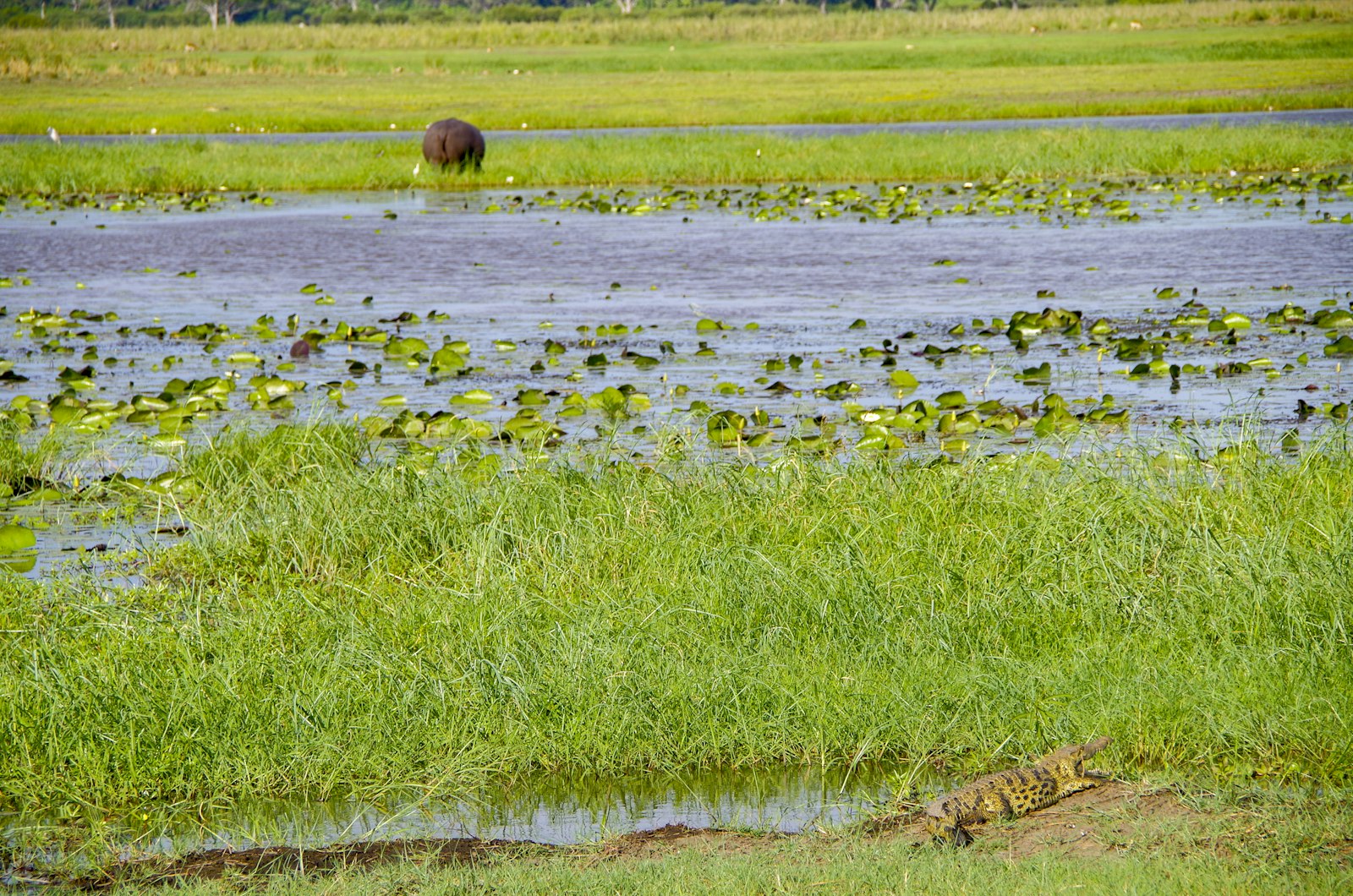
The Kavango River corridor supports riverine forest, floodplain grassland and reed beds, in sharp contrast to the dry bushveld further inland from the river. Rainfall is significantly higher here than in central and southern Namibia, and the region experiences a more pronounced wet season (roughly November to April) with correspondingly higher humidity, followed by a drier, more comfortable winter.
Historical context
The Kavango region’s peoples, comprising several related groups including the Kwangali, Mbunza, Sambyu, Gciriku and Mbukushu, have lived along the river for centuries, developing farming and fishing practices adapted to its seasonal flooding. Like the Zambezi Region further east, this area saw disruption during the Namibian War of Independence, when its position near the Angolan border made it a zone of military activity. Rundu grew from a small administrative post into the region’s main town over the twentieth century and remains the area’s principal commercial centre today. A full destination guide is available.
Cultural context
Kavango is well known within Namibia for its wood-carving tradition, and Rundu’s roadside craft markets sell carvings, some produced locally and others brought from further afield, making it one of the best places in the country to buy this style of craft directly. Riverine life remains central to many communities, with fishing and flood-recession agriculture (planting as floodwaters recede) continuing alongside more modern livelihoods.
Why visit
Most visitors pass through Kavango en route to the Zambezi Region or Botswana, and the Mahango Core Area of Bwabwata National Park, easily reached from Divundu (a full destination guide is available), is a worthwhile stop in its own right for elephant, buffalo and excellent birdlife along the river floodplain. Rundu’s craft markets and river frontage make a pleasant overnight break on a longer journey east.
Main towns and settlements
Rundu, the regional capital, sits directly on the Kavango River and is the largest town in the region, known for its riverside setting and wood-carving markets. Nkurenkuru, further west along the river, is a smaller border town. Divundu, to the east, is the practical gateway to Popa Falls and the Mahango and Buffalo core areas of Bwabwata National Park. Mukwe is a small settlement near Divundu serving the surrounding river communities.
Towns and places in this region
Individual destination guides cover each town in more depth, with photography where available.
Rundu. The regional capital, on the banks of the Kavango River.
Explore »Divundu. Gateway to Popa Falls and the Bwabwata National Park area.
Explore »Nkurenkuru. A smaller riverside town further west along the Kavango.
Explore »National parks, reserves and conservancies
Bwabwata National Park stretches across this region and into the Zambezi Region, uniquely combining conservation with resident communities living within its boundaries. Its Mahango Core Area, on the Kavango River near Divundu, is known for large elephant herds, buffalo, sable and roan antelope, and strong birdlife along the floodplain.
Natural attractions
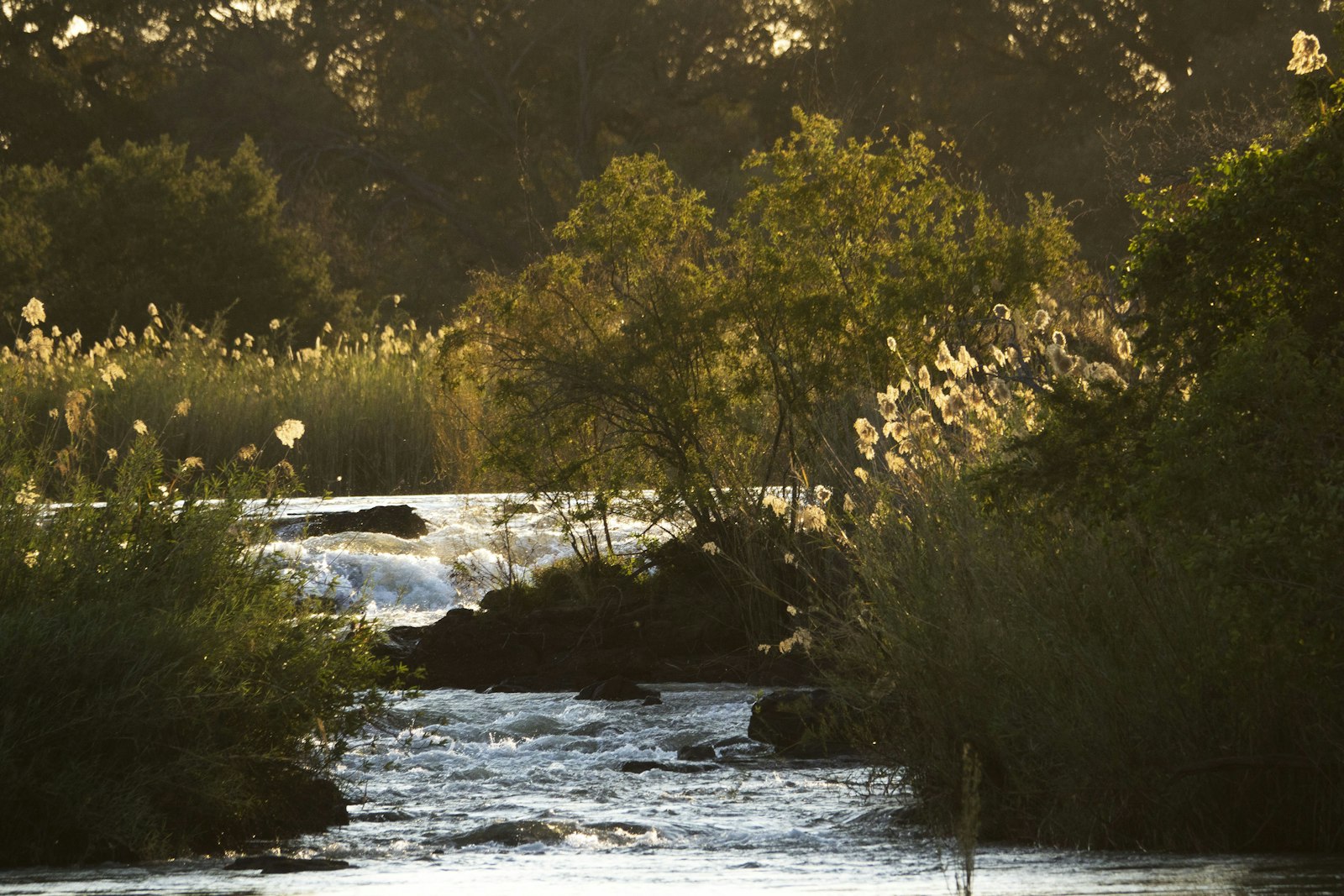
Popa Falls, near Divundu, is in fact a series of rapids rather than a true waterfall, where the Kavango River drops over a rocky ledge; it is a scenic, easily accessed spot rather than a dramatic cascade, and makes a pleasant short stop or picnic point. The Kavango River itself, with its riverine forest and birdlife, is the region’s main natural draw, best experienced by boat trip or from a riverside lodge.
Suggested self-drive routes
Most travellers drive the B8 from Rundu east to Divundu, stopping at Popa Falls and taking a game drive or boat trip into the Mahango Core Area, before continuing east into the Zambezi Region via Kongola. This is a natural link route rather than a self-contained loop.
Typical route connections
The B8 (Trans-Caprivi Highway) runs the length of this region, connecting west to Etosha and Central North via Tsumeb and Grootfontein, and east to Kongola and the Zambezi Region. A river crossing near Divundu also provides access into Botswana’s Okavango Delta area for travellers continuing that way.
Best time to visit
The dry season (May to October) offers the most comfortable travelling conditions and good wildlife viewing at Mahango. The wet season brings lush green scenery and strong birdlife but higher humidity and a greater chance of localised flooding on minor roads.
Suggested length of stay
One night in Rundu or at a lodge near Divundu is generally sufficient to break the journey and include a Mahango game drive or river boat trip, since most visitors are travelling through this region rather than basing an extended stay here.
The eastern end of this region runs into Bwabwata National Park, whose Mahango core area on the Okavango is reached from Divundu.
Accommodation context
Rundu has a small number of riverside lodges and guesthouses. Divundu has several lodges directly overlooking the Kavango River, popular both as a Mahango base and as a stop en route to the Zambezi Region.
Where to stay in the Kavango
Kavango accommodation runs along the Okavango riverbank between Rundu and Divundu, with almost nothing away from the water. These three span a river campsite to a lodge.
Places to stay near the Kavango
Hakusembe River Campsite
Hakusembe River Campsite is the camping option on the Okavango west of Rundu, sharing the river frontage that makes…
Price Guide: N$720
View Property DetailsKuvira River Camp
Kuvira River Camp is a riverside camp directly on the B8 highway at Divundu, with simple rooms overlooking the…
Price Guide: N$1,998
View Property DetailsNdhovu Safari Lodge
Ndhovu Safari Lodge is a small tented lodge directly on the Kavango River beside the Mahango Game Reserve, with a…
Price Guide: N$5,000
View Property Details

Check live availabilityBrowse all the Kavango accommodation
Some booking links are affiliate links. We may earn a commission at no extra cost to you. See our affiliate disclosure.
Road and vehicle considerations and river-based travel
The B8 is fully tarred and suitable for any vehicle. Mahango’s internal tracks can require higher clearance, particularly after rain. River-based activities, including boat trips into Mahango and along the Kavango River, are arranged through lodges and operators rather than independently.
Nearby regions
Kavango borders Etosha and Central North to the west via the B8, and the Zambezi Region to the east via Kongola.
Existing and future destination guides
No individual destination guides for Rundu, Divundu or Bwabwata National Park are published yet; this hub page currently provides the only available information on these places.
Frequently asked questions
Is Popa Falls an actual waterfall?
No, despite the name it is a series of rapids rather than a true waterfall, though it remains a scenic and worthwhile short stop.
Can I do a self-drive game viewing loop in Mahango?
Yes, the Mahango Core Area has self-drive loop roads suitable for a standard high-clearance vehicle, in addition to guided game drives and boat trips offered by nearby lodges.
Is Rundu worth an overnight stop?
Yes, particularly for its riverside setting and wood-carving markets, if you are travelling this route between Etosha and the Zambezi Region.
Last reviewed: July 2026.
Continuing into the Zambezi Region?
Kavango connects naturally to the Zambezi Region further east. See Destinations and Itineraries for route ideas.
Self-Drive Namibia guideImages: existing Namibia Travel Guide media library (Popa Falls and Kavango River wetlands photography). Last reviewed: 27 July 2026.
Where to stay: browse Kavango river lodges and camps, from Rundu to Divundu.
Further reading: best time to visit Namibia covers how the rains affect the Kavango floodplain and the roads leading into it.
Almost everything worth staying in along this stretch faces the river. Our best Kavango river lodges guide sets out the options between Rundu and Divundu and what each is useful for.