
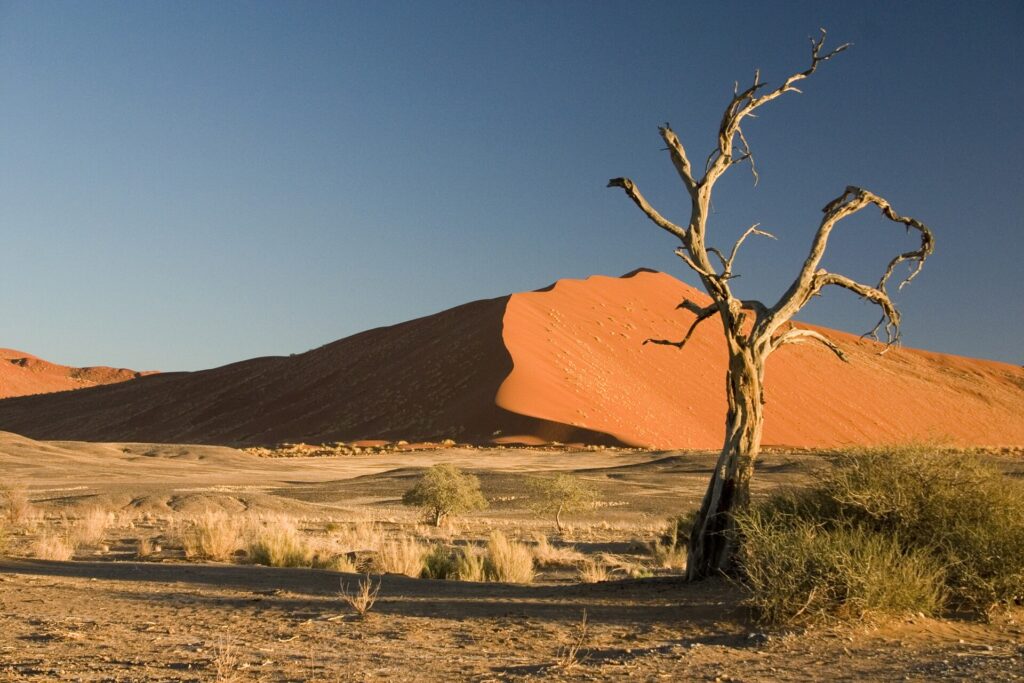
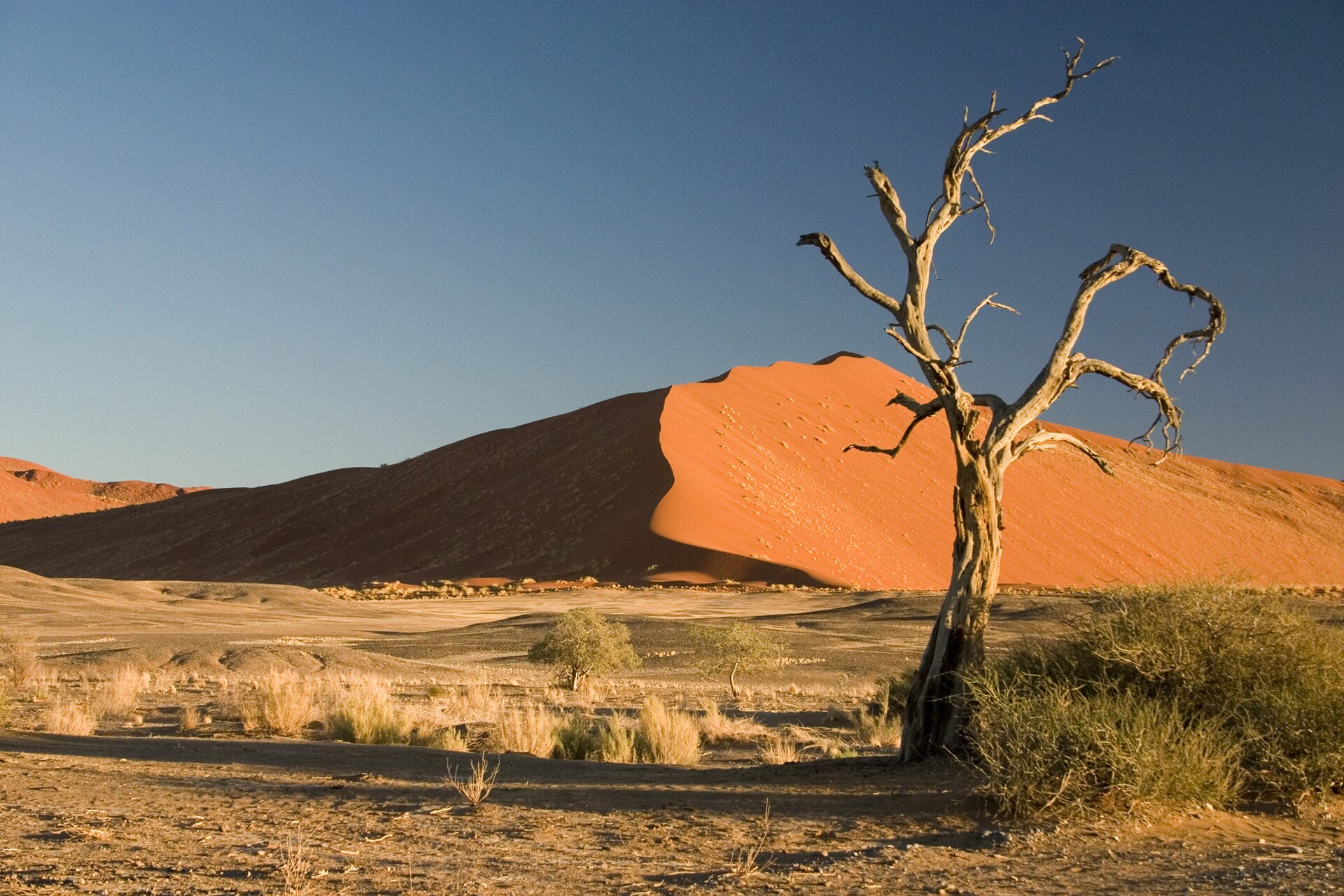
A desert and coast trip through Namibia rewards a plan built around distance, weather and the limits of the day. The practical choice is rarely the one that fits the greatest number of stops on a map; it is the one that leaves enough time to arrive safely, understand the place and respond when conditions change.
This guide turns a desert and coast trip through Namibia into a workable sequence. It focuses on access, timing, comfort and responsible decisions, with details that should be checked against current official advice shortly before travel.
In this guide
Namibia desert and coast itinerary: a practical overview
A strong plan for a desert and coast trip through Namibia separates fixed limits—official access, daylight, fuel, weather and personal ability—from preferences that can change. Confirm the fixed limits first, then add accommodation and activities without relying on maximum driving speeds or guaranteed wildlife and weather.
Shape the route before booking
A circular or out-and-back route works best when Windhoek is the arrival buffer, Sesriem receives two nights, and the coast receives at least two. The Namibia desert and coast itinerary should treat every move between regions as the day’s main task, not as empty time between attractions.
Treat each stage of the plan as a decision point rather than a promise. Ask the accommodation, guide, rental company or site authority what applies to the exact date, and keep enough margin to change course without creating a second problem.
Protect the arrival night
Hosea Kutako International Airport is outside Windhoek. Use the first night to recover, collect supplies and check the vehicle rather than aiming straight for gravel roads. This margin makes the Namibia desert and coast itinerary safer and calmer from the beginning.
Give Sossusvlei two nights
An arrival night followed by an early park visit is the minimum comfortable pattern. Confirm current gate, shuttle and fee arrangements shortly before travel, then leave optional sights optional instead of turning the Namibia desert and coast itinerary into a race.
Make the coast a real stay
The drive from Sesriem to Swakopmund is a substantial gravel-road day. Two or three coastal nights provide time for one guided desert or marine activity, vehicle checks and a slower half-day around town within the Namibia desert and coast itinerary.
Plan the return deliberately
Return to Windhoek with a full travel day and a final city or airport-area night before an early flight. A final buffer protects the Namibia desert and coast itinerary from punctures, road delays and coastal weather.
Connect the plan to the right local service
Compare the route, stay or guided experience by practical fit and current access, not by a generic ranking.
Final checks before you travel
- Allow at least seven nights; nine or ten is better.
- Keep two nights around Sesriem and two on the coast.
- Fill the tank whenever a reliable opportunity appears.
- Avoid major gravel-road driving after dark.
- Recheck park access and road advice before departure.
Read the Namibia Tourism Board’s current guidance and use our related Namibia planning guide for the wider route. Good planning for a desert and coast trip through Namibia is specific about uncertainty: access, weather, wildlife and road conditions can change, so the final decision belongs close to the travel date.