
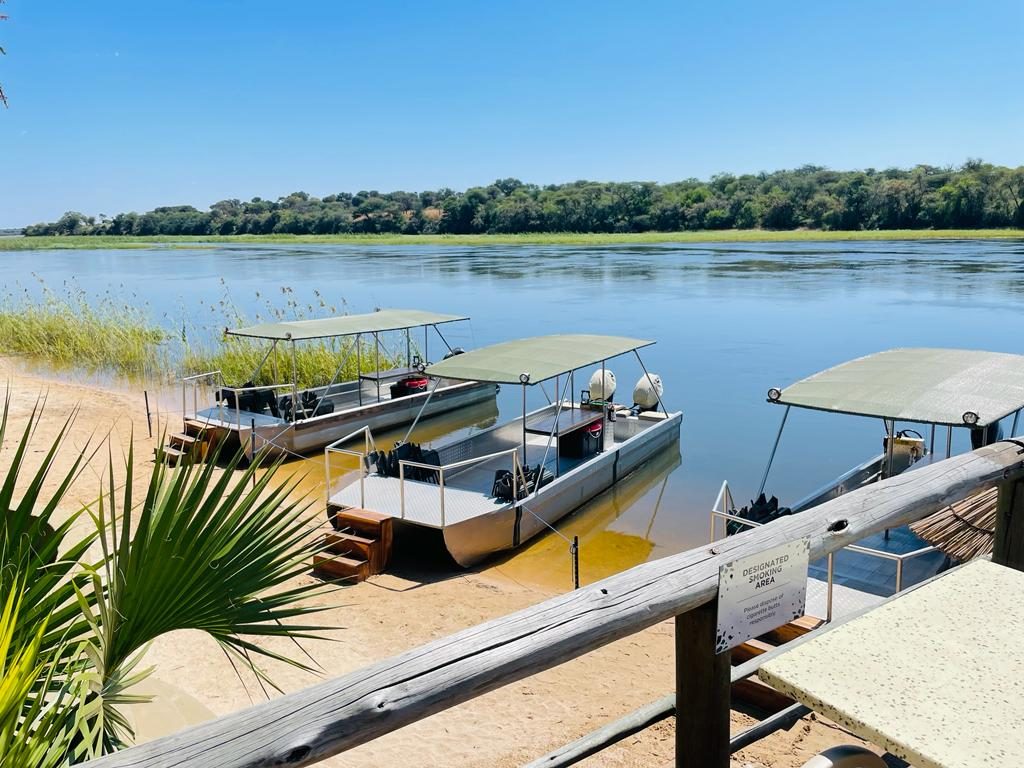
Rundu
The administrative and commercial capital of the Kavango region, set on the Kavango River opposite Angola.
Rundu is the largest town in north-eastern Namibia and the administrative and commercial capital of the Kavango region, set on the southern bank of the Kavango River directly opposite Angola. It is a working regional centre rather than a polished tourist town, but its riverside setting, markets and role as a gateway to the Kavango and Zambezi regions make it a natural stop for travellers heading further east.
Rundu at a glance
Geographic setting and present-day character
Rundu sits on a low bluff above the Kavango River, which forms the international border with Angola and has shaped the town’s history at times through conflict and refugee movements linked to Angola’s long civil war, which lasted from 1975 to 2002. Today Rundu functions as the main service centre for the Kavango East and Kavango West regions, with government offices, banks, schools, a hospital and a growing commercial district. It is one of Namibia’s larger towns by population and continues to grow as a hub for regional trade, including cross-border commerce with Angola.
Why visit
Rundu suits travellers using it as a practical stop on the route between central Namibia and the Zambezi Region, as well as those interested in its riverside setting, open-air markets and woodcarving stalls, which reflect the strong local tradition of wood carving found throughout the Kavango region.
Markets and services
Open-air markets in and around Rundu sell fresh produce, household goods and locally carved wooden items, from bowls and figures to furniture, reflecting the region’s long-standing woodcarving tradition. The town has supermarkets, banks, fuel stations and other services typical of a regional capital, making it a useful stop to restock supplies.
Where to stay
Rundu has a modest but practical range of accommodation, including riverside lodges along the Kavango River and a handful of in-town guesthouses for travellers on the Trans-Caprivi route. You can browse Kavango accommodation by price and type on the accommodation hub.

A working regional capital
Rundu’s streets reflect its role as a genuine commercial and administrative centre for the Kavango region, rather than a destination built around tourism.
Photo: SqueakyMarmot, CC BY 2.0, via Wikimedia Commons.
Where to stay in Rundu
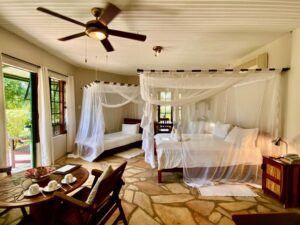
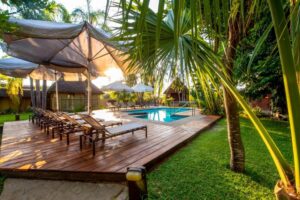
Rundu itself has limited accommodation, but the Okavango riverbank west of town has a run of camps and lodges within twenty minutes’ drive. These three span the range.
Places to stay near Rundu
Camp Hogo Kavango
Camp Hogo sits on the Okavango just outside Rundu, with the river and the Angolan bank in front of it. It is a…
Price Guide: N$775
View Property DetailsTambuti Lodge
Tambuti Lodge sits on the Okavango near Rundu, close enough to town to be convenient and far enough to be quiet…
Price Guide: N$948
View Property DetailsGondwana Hakusembe River Lodge
Gondwana Hakusembe River Lodge sits on the Okavango west of Rundu, on a stretch of river where the far bank is…
Price Guide: N$6,770
View Property Details

Check live availabilityBrowse all Rundu accommodation
Some booking links are affiliate links. We may earn a commission at no extra cost to you. See our affiliate disclosure.
Cultural context
The Kavango peoples have a distinct cultural identity from the pastoralist communities of central and southern Namibia, shaped by their riverine environment; fishing, canoe use and flood-recession farming remain part of everyday life along the river. Visitors should treat community life along the river as part of the working fabric of the region rather than as a tourist attraction in itself.
River activities
The Kavango River supports fishing and birdlife along its banks, and some lodges in and around Rundu offer river-based activities such as boat trips. As with any activity on or near the river, visitors should follow local operator guidance on safety.
Nearby attractions
Divundu and the Mahango area of Bwabwata National Park lie a few hours east along the B8, offering river and wildlife scenery, while Grootfontein and the wider Kavango sandveld lie to the south and west. Heading the other way, the tarred river road runs about 140 km west to Nkurenkuru, the capital of Kavango West, a quieter riverside alternative to Rundu itself.
Road and safety considerations
The B8 through Rundu is tarred and suitable for any vehicle. Side roads towards the river and surrounding villages may be unsurfaced, and standard care should be taken on rural roads, particularly around livestock and pedestrians near settlements. As an international border river with resident crocodile and hippo populations, the Kavango River should be treated with caution; swim only where local operators confirm it is safe, and follow guidance around riverbanks at dusk and after dark.
Responsible travel guidance
Support the local economy by buying crafts directly from market stalls and carvers, ask permission before photographing people, and treat riverside village life as part of a living community rather than a photo opportunity. River activities should only be considered where local operators or lodges confirm a specific spot is safe.
Nearby destinations
Kavango. The wider region Rundu belongs to.
Divundu. A river and wildlife-gateway settlement a few hours east.
Nkurenkuru. Another Kavango River town, west of Rundu.
Last reviewed: 27 July 2026.
Planning a stop in Rundu?
See the wider Kavango region, build a self-drive route towards the Zambezi Region, or check the practical planning guides before you go.
Kavango hub Self-Drive Namibia guide Itineraries Travel Planning