
Keetmanshoop
The main town of southern Namibia, and the base for visiting the Quiver Tree Forest and Giant’s Playground.
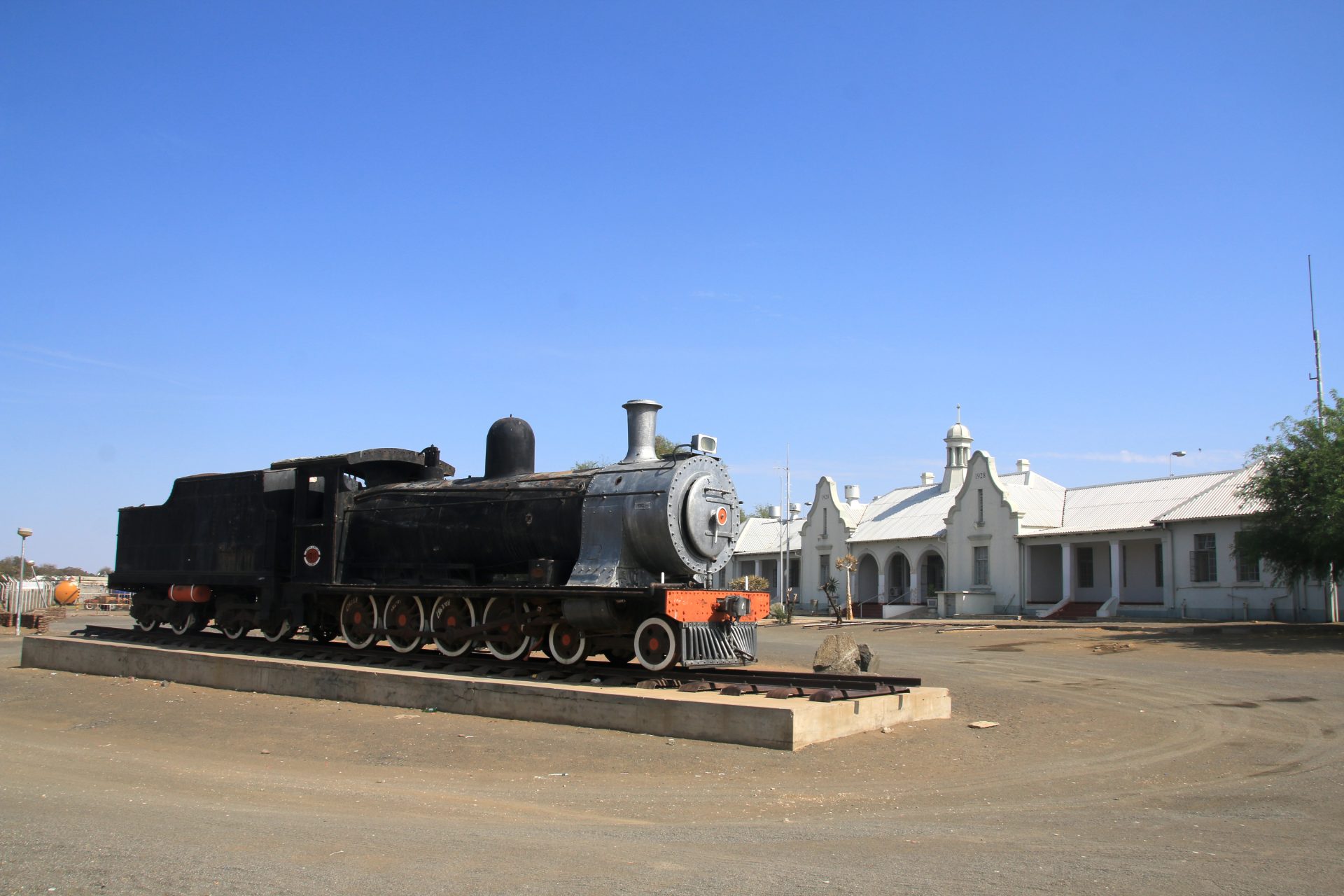
Keetmanshoop is the main town of southern Namibia, a historic railway and mission settlement that now serves as the region’s principal service centre. It is best known to travellers as the base for visiting the Quiver Tree Forest and Giant’s Playground, two of southern Namibia’s most distinctive natural sights, both located on a private farm outside town rather than within the town itself.
Keetmanshoop at a glance
Geographic setting and history
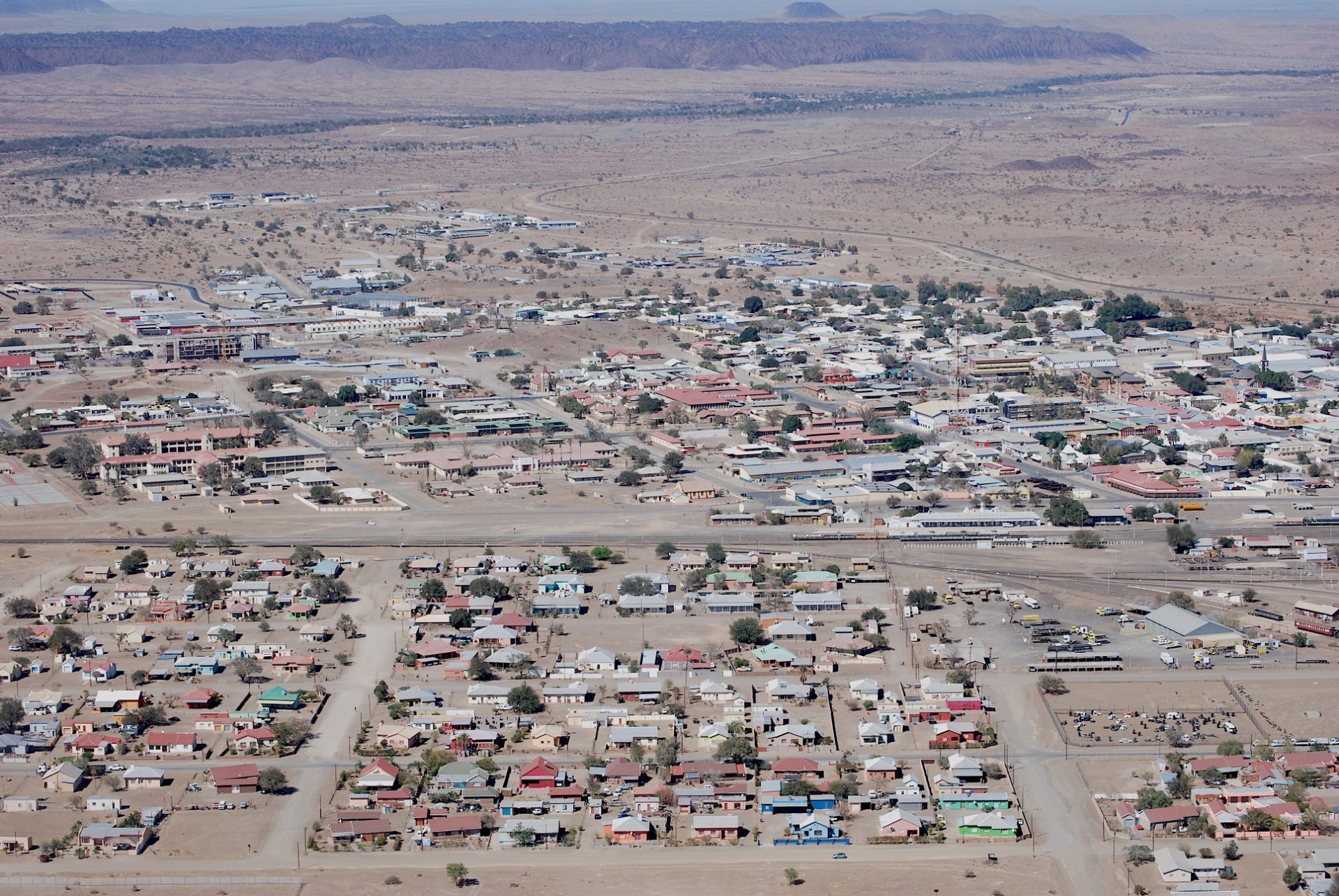
Keetmanshoop sits on the dry plains of southern Namibia, at the junction of the B1 running north-south and the B4 heading west to Lüderitz. The surrounding landscape includes striking dolerite rock formations and stands of the slow-growing quiver tree, a species of aloe found across this part of southern Namibia. Keetmanshoop was founded in the 1860s around a Rhenish mission station and later grew as a German colonial administrative and railway town, taking its name from a benefactor of the mission society.
The town’s colonial-era buildings, including the old post office and the restored mission church now used as a museum, date from this period, and like much of Namibia, the area’s development took place on land that was part of local Nama communities’ territory.
Present-day character and why visit
Today Keetmanshoop is the principal town of the Karas Region, with a functioning town centre serving surrounding farms and acting as a key stop for travellers moving between central Namibia, the south and South Africa. It suits travellers heading further south or west, offering a convenient overnight base with two genuinely distinctive natural attractions on its doorstep, along with a compact and walkable historic centre.
Main sights and experiences
The Quiver Tree Forest, around 14 km from town on a private farm (not within the town itself), protects one of the largest natural concentrations of quiver trees (Aloe dichotoma) in the world, particularly striking at sunset. Nearby, on the same property, Giant’s Playground is a jumble of large, rounded dolerite boulders formed by volcanic activity.
Photo: Hp.Baumeler, CC BY-SA 4.0, via Wikimedia Commons.
The geology is the thread running through all of this. The quiver trees and the balanced boulders of Giant’s Playground both sit on dolerite — hard volcanic rock that pushed up through the older sedimentary layers and then weathered into blocks and columns. Further out, roughly 40 km north-east of town on the road towards Koës, the Mesosaurus Fossil Site preserves the remains of Mesosaurus, a small aquatic reptile that lived here when this part of Gondwana was covered by a cold inland sea. Seeing the fossils, the dolerite dykes and the quiver trees in one afternoon is what makes the area unusual: it is a landscape you can read.
The area’s best-known sight is the Quiver Tree Forest, about 14 kilometres north-east of town on Gariganus farm, together with the dolerite boulder field at Giant’s Playground on the same property. Our full guide covers access, the best light and how long to allow.
Food, shopping, fuel and supplies
As the main town of the south, Keetmanshoop has a good range of supermarkets, banks, pharmacies and fuel stations, making it a sensible place to restock before continuing to more remote parts of the south.
How to get there and getting around
Keetmanshoop is reached via the tarred B1 from Windhoek (around 5 hours) or Fish River Canyon and the south, and the B4 from Lüderitz. It lies on the TransNamib railway line (the slow Starline passenger service has historically run to Windhoek, though it is worth checking whether it is currently operating) and has a small airport with no dependable scheduled passenger flights; most visitors arrive by road. The town centre is compact and walkable; a private vehicle is needed to reach the Quiver Tree Forest and Giant’s Playground.
Where to stay in Keetmanshoop
Keetmanshoop is the practical hub of the far south and the usual overnight stop between Windhoek and the border. Rooms are mostly guesthouses and small hotels in town. These three span the range.
Places to stay near Keetmanshoop
Keetmanshoop Self-catering
Budget self-catering rooms in Keetmanshoop with kitchen access — a low-cost overnight on the southern B1 route.
Price Guide: N$805
View Property DetailsQuiver Inn Guesthouse
Long-established Keetmanshoop guesthouse with air-conditioned twin and double rooms, a short drive from the quiver…
Price Guide: N$1,500
View Property DetailsBirds Mansions Hotel
Central Keetmanshoop hotel with twin rooms and breakfast included — a conventional hotel option on the southern B1…
Price Guide: N$2,500
View Property Details

Check live availabilityBrowse all Keetmanshoop accommodation
Some booking links are affiliate links. We may earn a commission at no extra cost to you. See our affiliate disclosure.
Best time to visit and suggested length of stay
Keetmanshoop can be visited year-round; the cooler months from May to September are more comfortable, and clear sunset visits to the Quiver Tree Forest are possible for most of the year. One night is usually enough to see the Quiver Tree Forest at sunset, Giant’s Playground and the town centre, with onward routes south towards Fish River Canyon and the South African border, and west towards Lüderitz.
Most travellers treat the town as a one-night stop on the B1, and it works well as the northern anchor of a southern loop: Aus and the wild horses lie west towards Lüderitz, while Fish River Canyon is south. For places to sleep in and around town, browse Southern Namibia accommodation, much of it guest farms with quiver trees on the property. The 14-day itinerary shows how the southern towns fit a longer route.
Nearby destinations
Southern Namibia. The wider region Keetmanshoop belongs to.
Fish River Canyon. One of Namibia’s great natural landmarks, further south.
Lüderitz. The coastal colonial-era town, reached via the B4.
Frequently asked questions
When is the best time to see the Quiver Tree Forest?
Late afternoon and sunset are generally considered the most atmospheric, when low light highlights the trees’ distinctive shapes.
Can I combine the Quiver Tree Forest and Giant’s Playground in one visit?
Yes, they are close together on the same farm property and are commonly visited together.
Is Keetmanshoop a good overnight stop travelling south?
Yes, it is the main town in the region and a convenient base for Fish River Canyon, Lüderitz and onward travel to South Africa. See our Fish River Canyon accommodation guide for lodges and camps further south.
For places to stay in town, see our Southern Namibia accommodation listings, which cover the Keetmanshoop guesthouses and self-catering options with indicative nightly rates.
Last reviewed: 27 July 2026.
Planning a stop in Keetmanshoop?
See the wider Southern Namibia region, build a self-drive route to Fish River Canyon or Lüderitz, or check the practical planning guides before you go.
Southern Namibia hub Self-Drive Namibia guide Itineraries Travel PlanningWhere to stay near Keetmanshoop: Keetmanshoop is the main service town and gateway for trips to Fish River Canyon. Browse accommodation near Fish River Canyon for lodges and guesthouses convenient for this area.