
Waterberg and Otjozondjupa
A red sandstone plateau and conservation region on the route north
Destinations › Waterberg and Otjozondjupa
Waterberg and Otjozondjupa sits directly on the main north-south route between Windhoek and Etosha, centred on the dramatic sandstone plateau of the Waterberg and the conservation-minded town of Otjiwarongo. It is easy to treat this region as a simple stopover, but the Waterberg Plateau itself is a genuinely rewarding destination, both for its role as a sanctuary for rare and endangered species and for its heavy historical weight as the site of a decisive, tragic battle in 1904.
Waterberg and Otjozondjupa at a glance
- Region: central-northern Namibia, on the main Windhoek-Etosha route
- Main town: Otjiwarongo
- Known for: the Waterberg Plateau, rare-species conservation, cheetah and wildlife conservation projects, the 1904 Battle of Waterberg
- Suits: travellers breaking the Windhoek-Etosha drive, hikers, wildlife conservation enthusiasts
- Access: directly on the B1
Geographic setting
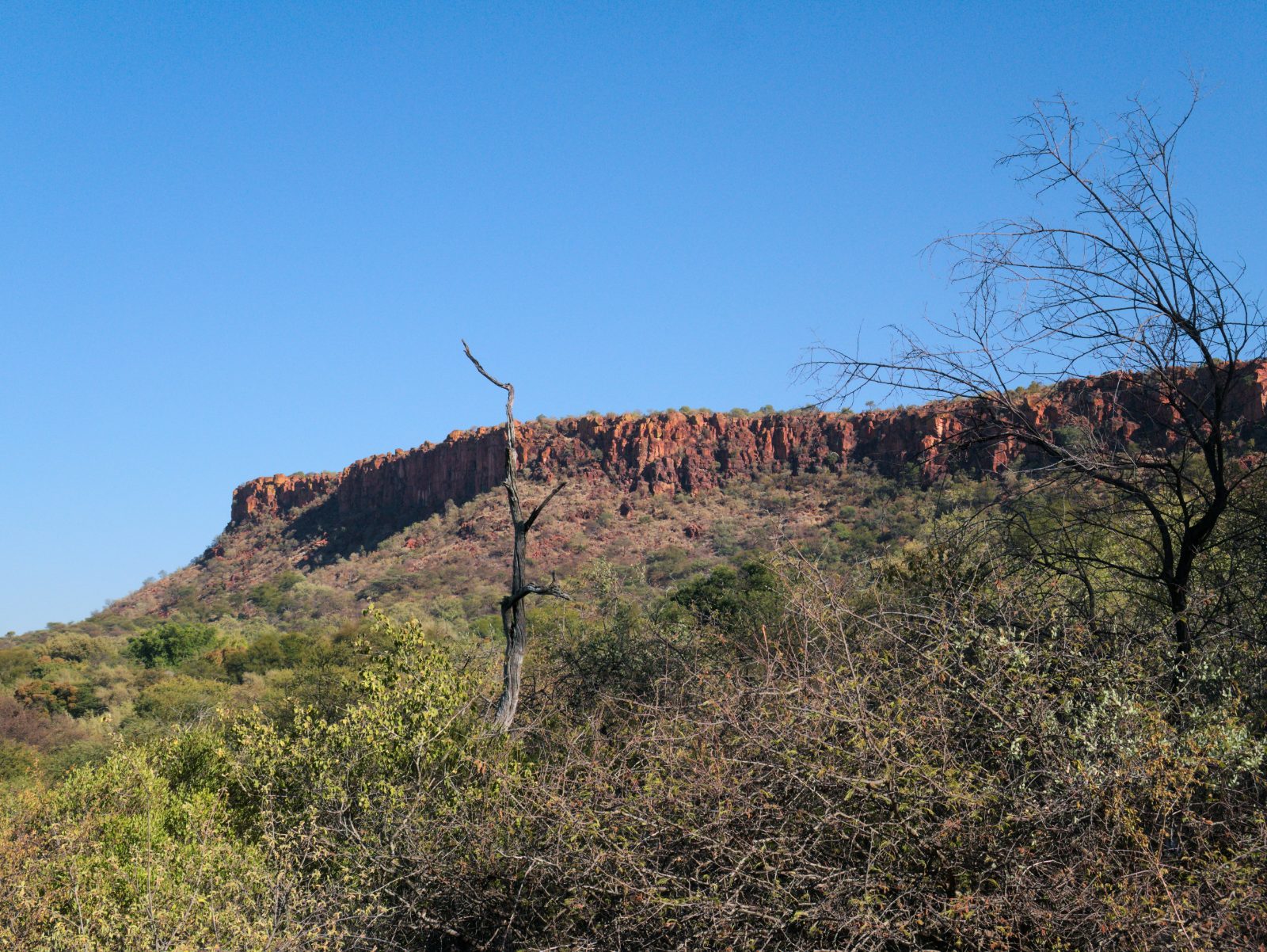
This region lies on Namibia’s central plateau, roughly midway between Windhoek and Etosha, dominated by the Waterberg, a striking table-topped sandstone massif rising abruptly from the surrounding bushveld plains. Otjiwarongo, the region’s main town, sits at the crossroads of the B1 north-south highway and routes heading west toward Damaraland.
Landscape and climate
The Waterberg Plateau rises around 200 metres above the surrounding plains, its sheer red sandstone cliffs enclosing a relatively lush, spring-fed plateau top that supports vegetation and wildlife not found on the drier plains below. The wider region is otherwise typical central Namibian bushveld: camelthorn and mixed woodland savanna, with a warm, dry winter (May to September) and a wetter, hotter summer (November to March).
Historical context
The Waterberg is the site of the Battle of Waterberg in August 1904, a pivotal and tragic event in the genocide of the Herero people under German colonial rule. Facing a German force under General Lothar von Trotha, Herero fighters and civilians were driven from the Waterberg into the waterless Omaheke desert to the east, where von Trotha’s subsequent extermination order and the sealing of water points led to the deaths of thousands of Herero men, women and children from thirst and starvation.
This history is central to the region’s identity and is marked by memorials and continued commemoration rather than treated as a footnote to its scenic and conservation appeal. Otjiwarongo itself developed as a farming and rail town through the twentieth century and has more recently become closely associated with cheetah conservation research based nearby.
Cultural context
Okakarara, east of the Waterberg, holds particular significance to the Herero community and is a focal point for Ovaherero Day commemorations, which honour those who died in the 1904 genocide and its aftermath. Visitors interested in this history are encouraged to engage with it respectfully and to seek out Namibian and Herero perspectives rather than relying solely on colonial-era or tourist-facing accounts.
Why visit
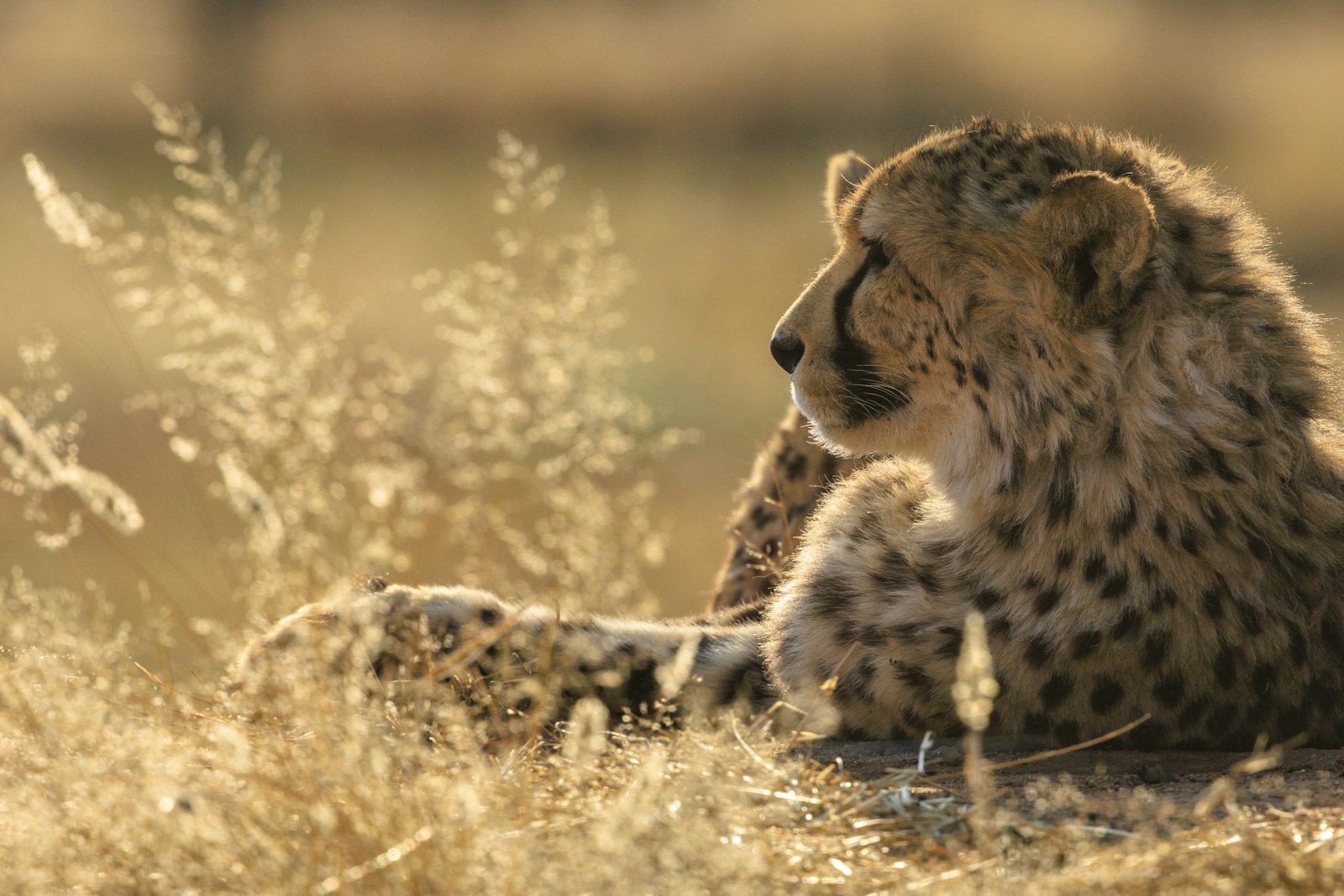
The Waterberg Plateau Park offers guided hiking and wildlife viewing found nowhere else in central Namibia, including some of the country’s last free-ranging populations of sable and roan antelope and a role as a rhino sanctuary. Otjiwarongo’s cheetah conservation projects, including the AfriCat Foundation nearby, give visitors a rare chance to learn directly about Namibia’s globally significant cheetah population, the largest of any country, and the conflict-reduction work being done to protect it.
Main towns and settlements
Otjiwarongo is the region’s main town, a farming and conservation centre with a dairy industry, a crocodile ranch, and close links to cheetah research and conservation work carried out on nearby farmland. Okakarara, east toward the Waterberg’s far side, holds particular cultural and historical significance to the Herero community as a site of Ovaherero Day commemorations. Otavi, to the north, is shared with the Etosha and Central North region and functions mainly as a route junction. Okahandja, on the region’s southern edge on the B1 en route to Windhoek, is well known for its large roadside woodcarvers’ market and its historical significance to the Herero and Nama communities.
Okonjima Nature Reserve, near Otjiwarongo, is a well-known stop for carnivore conservation viewing and is often combined with a visit to the Waterberg Plateau itself.
Explore Waterberg Plateau »National parks, reserves and conservancies
The Waterberg Plateau Park protects the plateau itself as a sanctuary for rare and endangered species, including sable and roan antelope and black and white rhino, managed partly as a source population for reintroductions elsewhere in Namibia. Access to the plateau top is generally via guided hikes or game drives rather than independent self-drive, both to protect the fragile environment and for safety around resident wildlife.
Natural attractions
The Waterberg’s sheer sandstone cliffs and plateau-top springs are the region’s dominant natural feature, offering both dramatic scenery from below and a genuinely different, cooler environment on top. Conservation projects around Otjiwarongo, including cheetah research centres open to visitors, offer an educational natural-history dimension distinct from conventional game viewing.
Historic and cultural sites
Memorials and commemorative sites related to the 1904 Battle of Waterberg and the subsequent genocide are found in and around the park and at Okakarara, and visitors with a genuine interest in this history should approach these sites with the same seriousness as any other memorial to mass atrocity.
Suggested self-drive routes
Most travellers break their Windhoek-Etosha drive with a night near the Waterberg, taking a guided hike or game drive onto the plateau before continuing north the next day. A short detour to Otjiwarongo for a cheetah conservation visit fits naturally into the same overnight stop.
Typical route connections
The B1 runs directly through Otjiwarongo, linking this region south to Windhoek and Central Namibia and north to Etosha and Central North via Otavi and Outjo. A minor road links Otjiwarongo west toward Damaraland via Kamanjab.
Best time to visit
This region can be visited year-round, since it functions largely as a route stop; the dry winter months (May to September) are generally more comfortable for hiking on the plateau.
Suggested length of stay
A single overnight is typical for most travellers using this region as a stop between Windhoek and Etosha, allowing time for one guided Waterberg activity. Those with a specific interest in cheetah conservation may wish to extend this to two nights.
Accommodation context
Otjiwarongo has a reasonable range of guesthouses and hotels. Lodges and a rest camp near the Waterberg Plateau itself offer a closer base for guided hikes and game drives onto the plateau.
Our Waterberg accommodation listings cover the plateau corridor; travellers using Otjiwarongo or Okahandja as a staging point will also find options in the wider Namibia accommodation hub.
Where to stay in Waterberg and Otjozondjupa
This region covers the plateau itself plus the Otjiwarongo and Grootfontein road towns and the conservation lodges between them. These three span a town base to a bush camp.
Places to stay near Waterberg and Otjozondjupa
Out of Africa Town Lodge
Out of Africa Town Lodge is a central Otjiwarongo option for travellers who want to be in town rather than on a…
Price Guide: N$1,395
View Property DetailsFrans Indongo Lodge
Frans Indongo Lodge stands on a private game farm north of Otjiwarongo, roughly midway between Windhoek and Etosha…
Price Guide: N$4,720
View Property DetailsOkonjima Plains Camp
Okonjima Plains Camp sits on the Okonjima reserve between Otjiwarongo and Okahandja, the private conservation area…
Price Guide: N$11,340–N$16,100
View Property Details
Check live availabilityBrowse all Waterberg and Otjozondjupa accommodation
Some booking links are affiliate links. We may earn a commission at no extra cost to you. See our affiliate disclosure.
Road and vehicle considerations and hiking/wildlife planning
The B1 and main access roads to the Waterberg are tarred or good gravel, suitable for a standard sedan. Access onto the plateau itself is generally restricted to guided hikes or organised game drives rather than independent self-drive or unguided hiking, both for visitor safety and to protect the resident wildlife.
Nearby regions
This region borders Windhoek and Central Namibia to the south, Etosha and Central North to the north, and Damaraland to the west.
Existing and future destination guides
A full Waterberg Plateau destination guide is now available with further detail on the park, hiking and accommodation. No individual destination guide for Otjiwarongo is published yet; this hub page currently provides the only available information on that town. A full Okahandja destination guide is also available, covering the town’s history, woodcarvers’ market and royal graves.
Frequently asked questions
Can I hike the Waterberg Plateau independently?
Access to the plateau top is generally restricted to guided hikes and game drives rather than independent hiking, both for safety and conservation reasons; check current arrangements with the park before visiting.
Is the Waterberg a good stop between Windhoek and Etosha?
Yes, it sits directly on the main route and offers a genuinely worthwhile break from driving, including hiking, wildlife viewing and important historical context.
Can I visit a cheetah conservation project near Otjiwarongo?
Yes, several conservation organisations based near Otjiwarongo offer visitor programmes; contact them directly in advance to confirm current visiting arrangements.
Last reviewed: July 2026.
Breaking up the drive north?
Waterberg is a popular stop between Windhoek and Etosha. See Destinations and Itineraries for how it fits into a route.
Self-Drive Namibia guideImages: existing Namibia Travel Guide media library (Waterberg Plateau and Okonjima cheetah photography). Last reviewed: 27 July 2026.