
Katima Mulilo
Namibia’s principal town on the Zambezi River, a practical service centre and cross-border gateway for the wider Zambezi Region.
Destinations › Zambezi Region › Katima Mulilo
Zambezi Region setting
Katima Mulilo sits at the eastern end of the Zambezi Region (formerly known as the Caprivi Strip), the narrow strip of Namibian territory that extends east between Angola and Zambia to the north and Botswana to the south, reaching almost to Zimbabwe. Unlike most of Namibia, this region receives comparatively high rainfall and is defined by perennial rivers, floodplains and woodland, giving it a landscape and ecology closer to neighbouring Zambia and Botswana than to the Namib Desert or central Namibian plateau.
History
The Zambezi Region’s unusual shape is a direct legacy of colonial-era boundary-drawing: the strip was ceded to Germany by Britain in an 1890 treaty specifically to give German South West Africa access to the Zambezi River, in principle as a route to German territory in East Africa, though the river’s rapids downstream made that route impractical in practice. The region passed to South African administration alongside the rest of the territory after the First World War and later, like the rest of Namibia, endured apartheid-era administration until Namibian independence in 1990. Katima Mulilo developed as the region’s main administrative and commercial centre due to its position on the Zambezi and its role as a crossing point to Zambia.
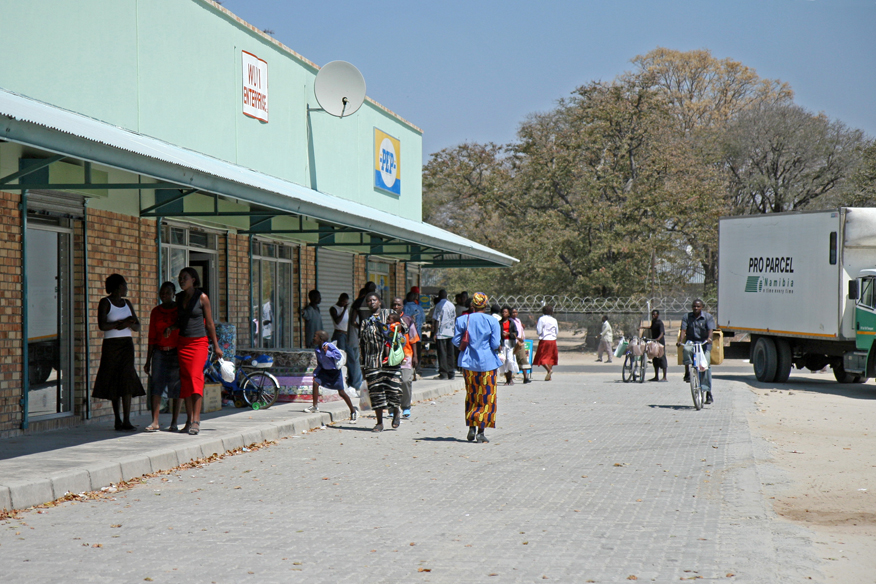
Away from the river frontage, Katima Mulilo functions first as a working town: a market and shopping street, banks, fuel stations and government offices serve both local residents and the wider Zambezi Region. For travellers, this practical role matters as much as any single sight, since Katima Mulilo is usually where self-drive visitors restock supplies and refuel before continuing to river lodges, Mudumu, Nkasa Rupara or the Botswana border.
River context
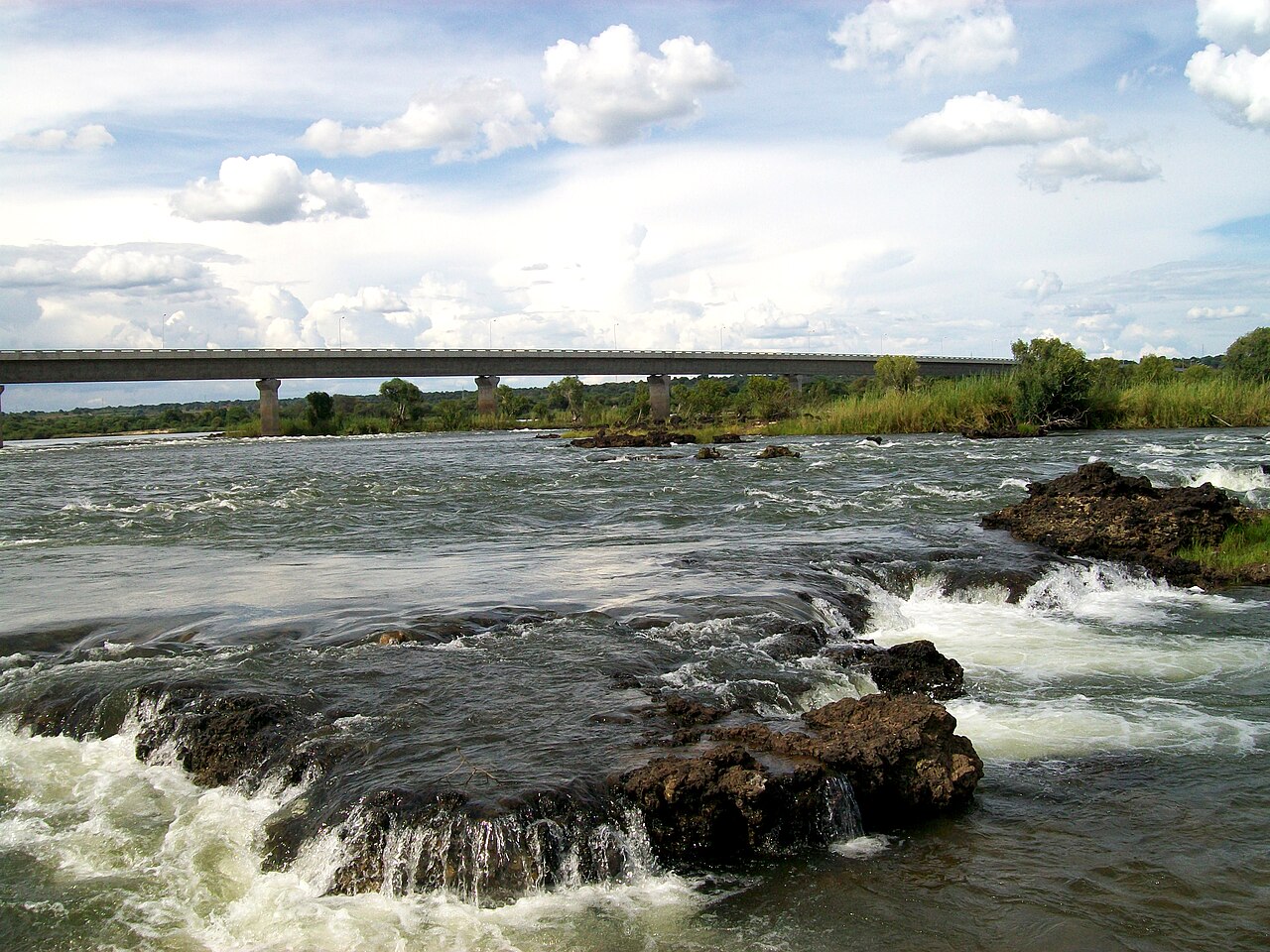
The Zambezi River, one of Africa’s great waterways, forms the town’s northern edge and the international border with Zambia at this point. The river supports fishing, birdlife and, further downstream toward the Chobe and Victoria Falls areas, some of the richest wildlife viewing in the region, though Katima Mulilo itself is more a river town than a wildlife-viewing base; the parks for that lie a little further west and south. Hippos and crocodiles are present in the river along the town’s edge, so swimming or wading unsupervised is not advisable, and anglers and boat operators in the area are generally well versed in the necessary precautions.
Cross-border location
Katima Mulilo’s position makes it a natural jumping-off point for travellers combining Namibia with Zambia (via a bridge border crossing to Sesheke) or with Botswana’s Chobe and Kasane area to the south-east, and the town is often used as a staging point for multi-country southern African itineraries that also take in Victoria Falls. Travellers planning any cross-border movement should confirm current visa and border requirements well in advance, since these vary by nationality and change over time.
Present-day commercial role
As the largest town in the Zambezi Region, Katima Mulilo functions as the area’s main commercial and administrative centre, with the region’s best selection of shops, banks, fuel stations and services, making it an important stop to restock before heading into more remote river lodges or parks further along the Zambezi and Kwando Rivers.
Cultural context
The Zambezi Region is home to distinct ethnic groups, including Lozi- and Subiya-speaking communities among others, with cultural, linguistic and historical ties that connect across the modern borders to Zambia and Botswana as much as to the rest of Namibia. This gives Katima Mulilo and the surrounding region a noticeably different cultural character from central and southern Namibia, reflected in language, food and daily life.
Silozi, a language shared with communities in western Zambia, is widely spoken alongside Namibia’s official language, English, and visitors will notice differences in food, such as a greater reliance on river fish and the reed-thatched building styles common in floodplain areas, that distinguish the region from the drier interior. The traditional authority structures of these communities operate alongside Namibia’s national government, and formal royal or traditional leadership continues to play a visible role in the region’s public life.
Services and supplies
Katima Mulilo has the fullest range of services in the Zambezi Region, including supermarkets, fuel, banks and basic medical facilities, and is the sensible place to stock up before heading to the more remote parks and lodges of the region, where facilities are limited or non-existent.
Where to stay
Katima Mulilo has a small range of accommodation, mostly riverside lodges along the Zambezi and a few in-town guesthouses, serving travellers crossing between Namibia, Botswana, Zambia and Zimbabwe. You can browse Zambezi Region accommodation by price and type on the accommodation hub.
Where to stay in Katima Mulilo
Katima Mulilo is the practical base for the eastern Zambezi and the Ngoma and Wenela border crossings. Most rooms are either in town or on the riverfront a short drive east. These three span the range.
Places to stay near Katima Mulilo
Kololo Guesthouse
Kololo Guesthouse is a budget in-town guesthouse on the B8 in Katima Mulilo, and one of the most affordable places…
Price Guide: N$623
View Property DetailsProtea Hotel Zambezi River Lodge
Protea Hotel by Marriott Zambezi River Lodge is a full-service riverfront hotel on Ngoma Road in Katima Mulilo, set…
Price Guide: N$1,750
View Property DetailsCaprivi River Lodge
Caprivi River Lodge is a relaxed riverside lodge on Ngoma Road in Katima Mulilo, set on the banks of the Zambezi…
Price Guide: N$3,300
View Property Details
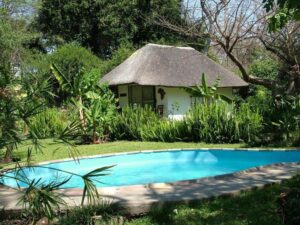
Check live availabilityBrowse all Katima Mulilo accommodation
Some booking links are affiliate links. We may earn a commission at no extra cost to you. See our affiliate disclosure.
Road and air access
Katima Mulilo is connected to the rest of Namibia by a tarred road running the length of the Zambezi Region back to Rundu and on to the Namibian interior, a long but straightforward drive. Mpacha Airport, just outside town, handles domestic flights connecting to Windhoek, offering a much faster option for travellers short on time. Road connections also run south-east toward Botswana’s Chobe area and north across the river bridge to Zambia.
Getting around
The town centre is compact enough to navigate on foot or by short taxi rides, while a hire car or organised transfer is generally needed to reach the region’s national parks and river lodges, most of which lie an hour or more outside town on a mix of tarred and gravel roads.
Nearby parks
Mudumu National Park and Nkasa Rupara National Park, both within a few hours’ drive, protect Zambezi Region floodplain and woodland habitat with healthy populations of elephant, buffalo, hippo and a wide range of birdlife, and are considerably wilder and less developed than Etosha. Bwabwata National Park, which stretches along much of the Zambezi Region between the Kwando and Zambezi Rivers, is also within reach for those approaching or leaving Katima Mulilo along the regional highway, and combines woodland, floodplain and riverine habitat within a single park. Impalila Island, at the eastern tip of the region where the Zambezi and Chobe Rivers meet, offers views across to four countries (Namibia, Zambia, Botswana and Zimbabwe) from a single point.
Nearby river destinations
The Zambezi and Kwando Rivers support a string of river lodges throughout the region, popular for boat safaris, fishing and birdwatching, and offering a very different Namibian experience centred on water rather than desert.
Suggested length of stay
Most travellers spend one night in Katima Mulilo itself, using it as a staging point before or after time at river lodges or the region’s parks, rather than as a multi-day destination in its own right.
Onward routes and self-drive considerations
From Katima Mulilo, self-drive travellers can continue west back through the Zambezi Region toward Rundu and the rest of Namibia, cross into Botswana toward Chobe and Kasane, or cross the river into Zambia. Fuel and supplies should be topped up in Katima Mulilo before heading into more remote sections of any of these routes, and current border-crossing requirements and road conditions should always be confirmed before travelling.
Related destinations
Katima Mulilo works best as a base for exploring the wider Zambezi Region and its river parks.
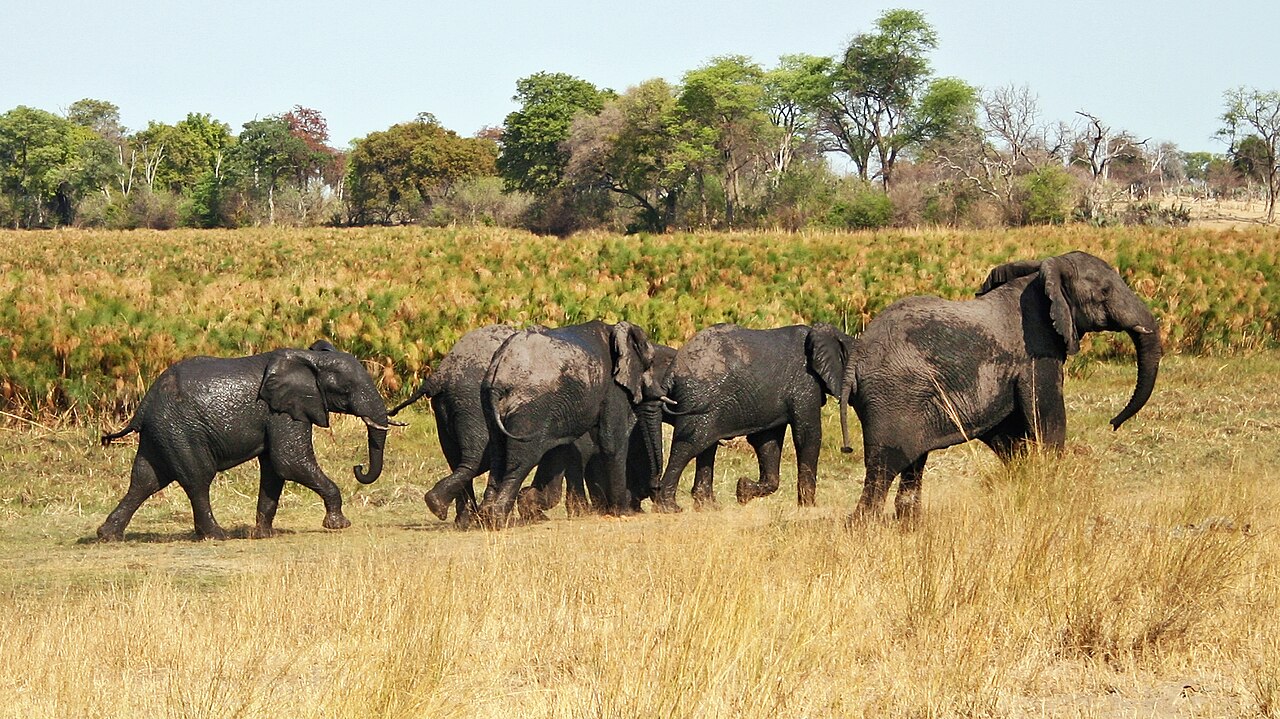
Zambezi Region. The wider region of rivers, floodplains and wildlife corridors surrounding Katima Mulilo.
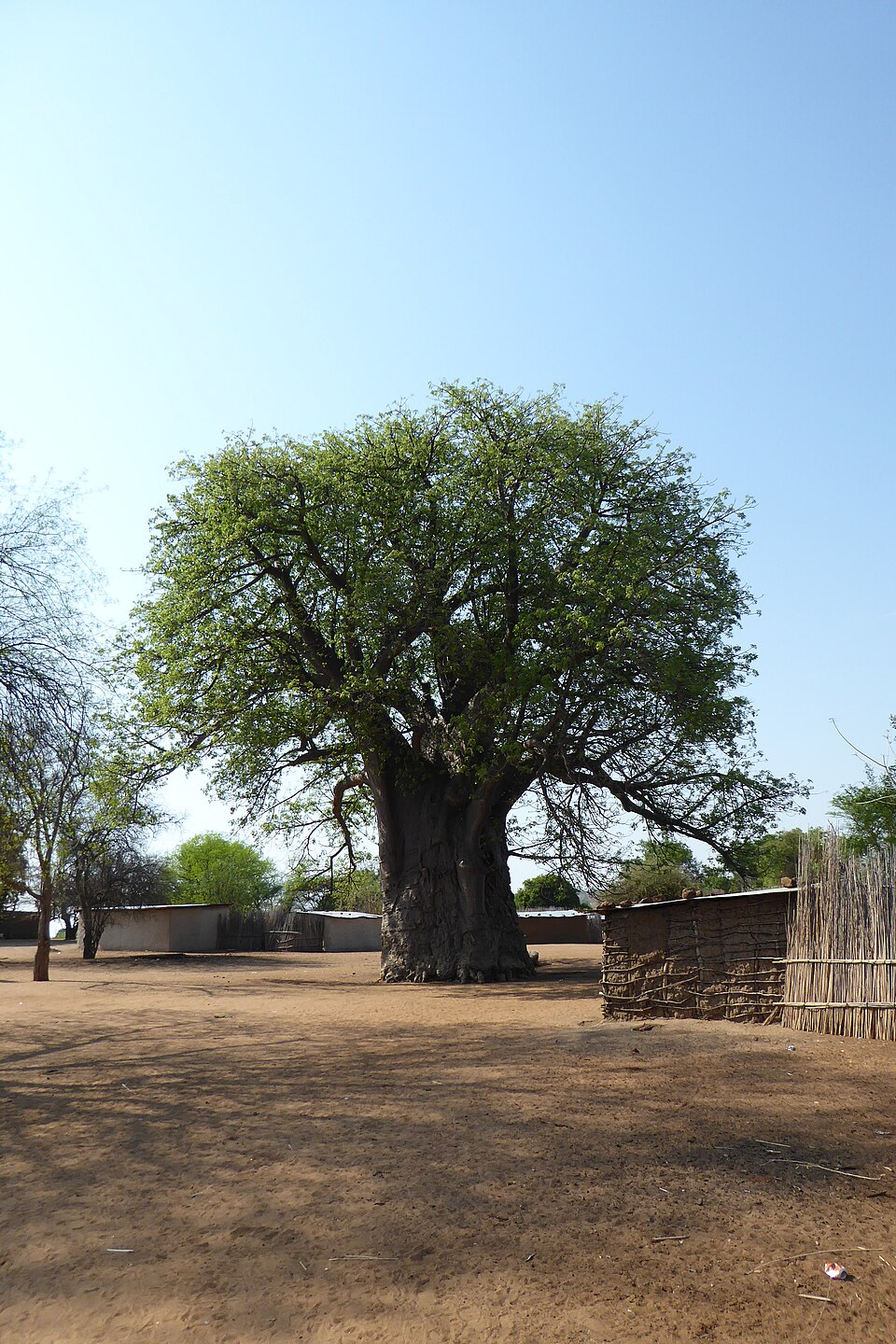
Mudumu and Nkasa Rupara. Wilder, less developed national parks a few hours’ drive from town, known for elephant, buffalo and hippo.
Where to go next
Katima Mulilo sits at the far eastern end of the Zambezi Region, and almost everyone arriving here is either heading for the parks to the west or crossing into a neighbouring country. Westwards, Kongola is the access point for the riverine parks along the Kwando.
Travelling back towards central Namibia, the route runs through Divundu and Rundu along the Kavango before rejoining the main north–south roads at Grootfontein.
Frequently asked questions
Is Katima Mulilo worth visiting on its own?
Most visitors pass through Katima Mulilo as a practical stop rather than a headline destination, using it to access the Zambezi Region’s parks and river lodges or to cross into Zambia or Botswana.
Can I cross into Zambia or Botswana from here?
Yes, border crossings to Zambia (via bridge) and toward Botswana’s Chobe area are both accessible from Katima Mulilo, though visa and border requirements vary by nationality and should be confirmed in advance.
Last reviewed: July 2026.
Planning your Zambezi Region visit?
Katima Mulilo is the natural staging point for river lodges, Mudumu, Nkasa Rupara and onward routes into Botswana and Zambia.
Zambezi Region guide Self-Drive Namibia guideBridge photo: Eugen Zibiso (CC BY 2.0). Market photo: Frans-Banja Mulder (CC BY 3.0). Both via Wikimedia Commons. Last reviewed: 26 July 2026.
Planning a longer trip? See our Namibia itineraries to see how Katima Mulilo fits into a 7-, 10-, 14- or 21-day route.